Versatile Application Range and Scalable Performance
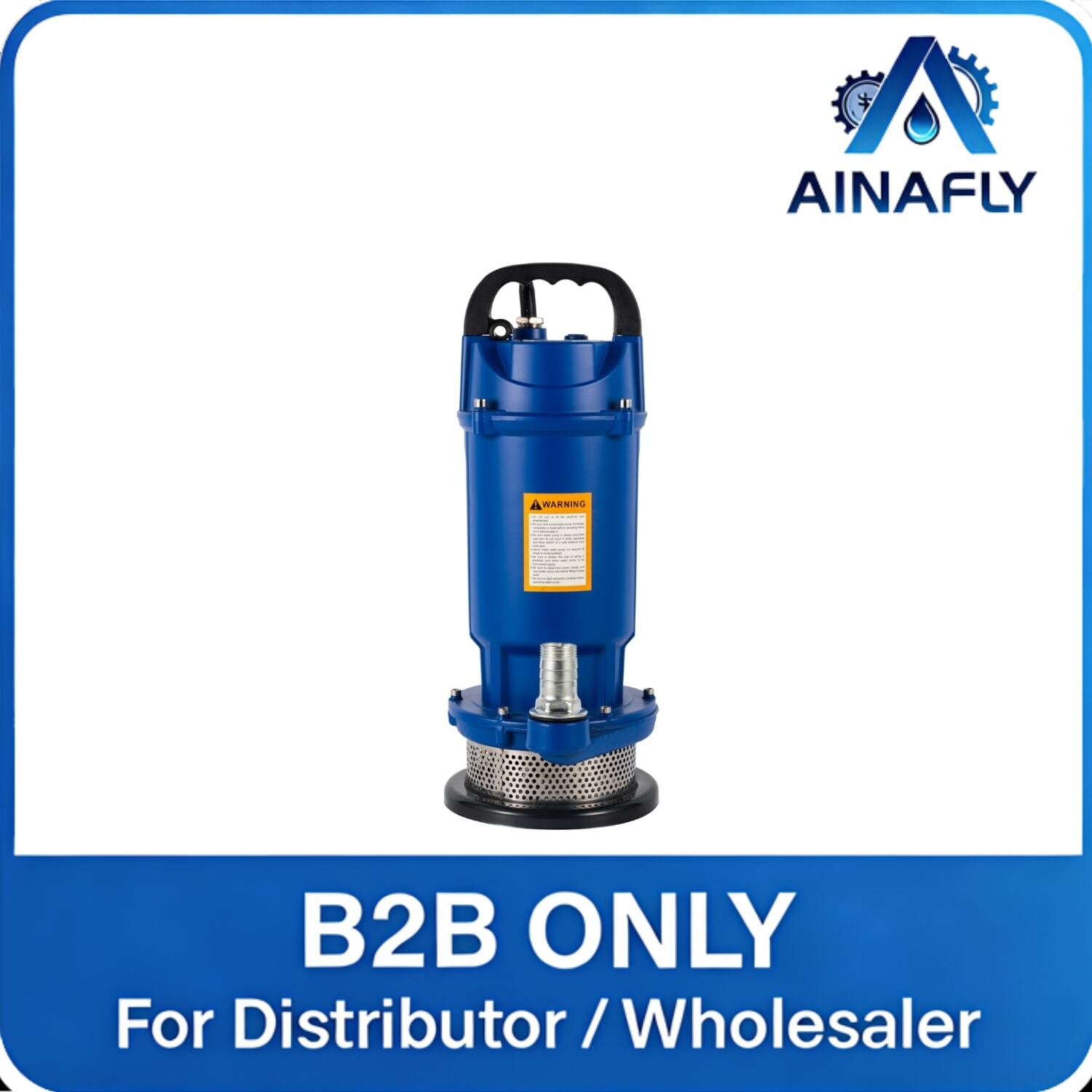
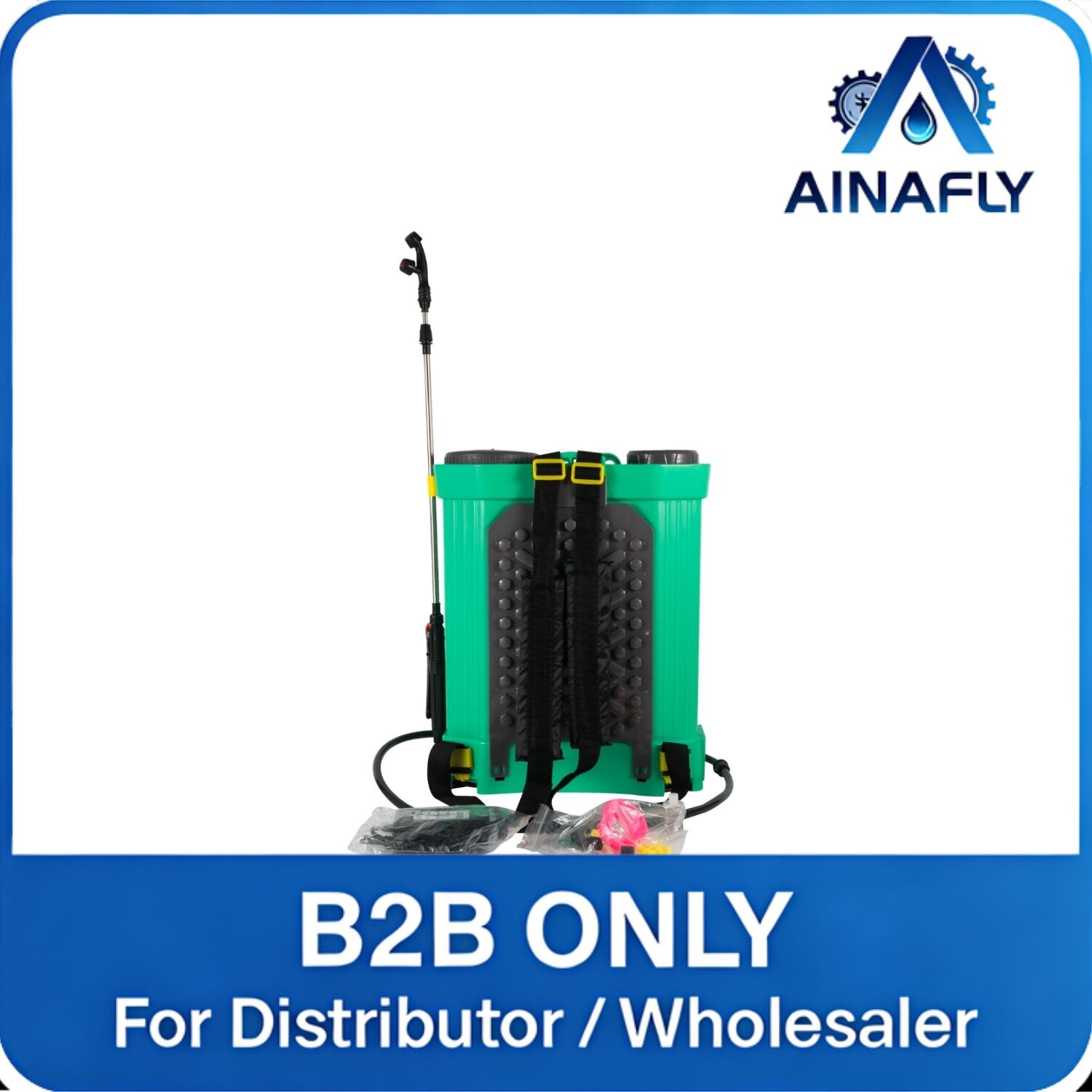
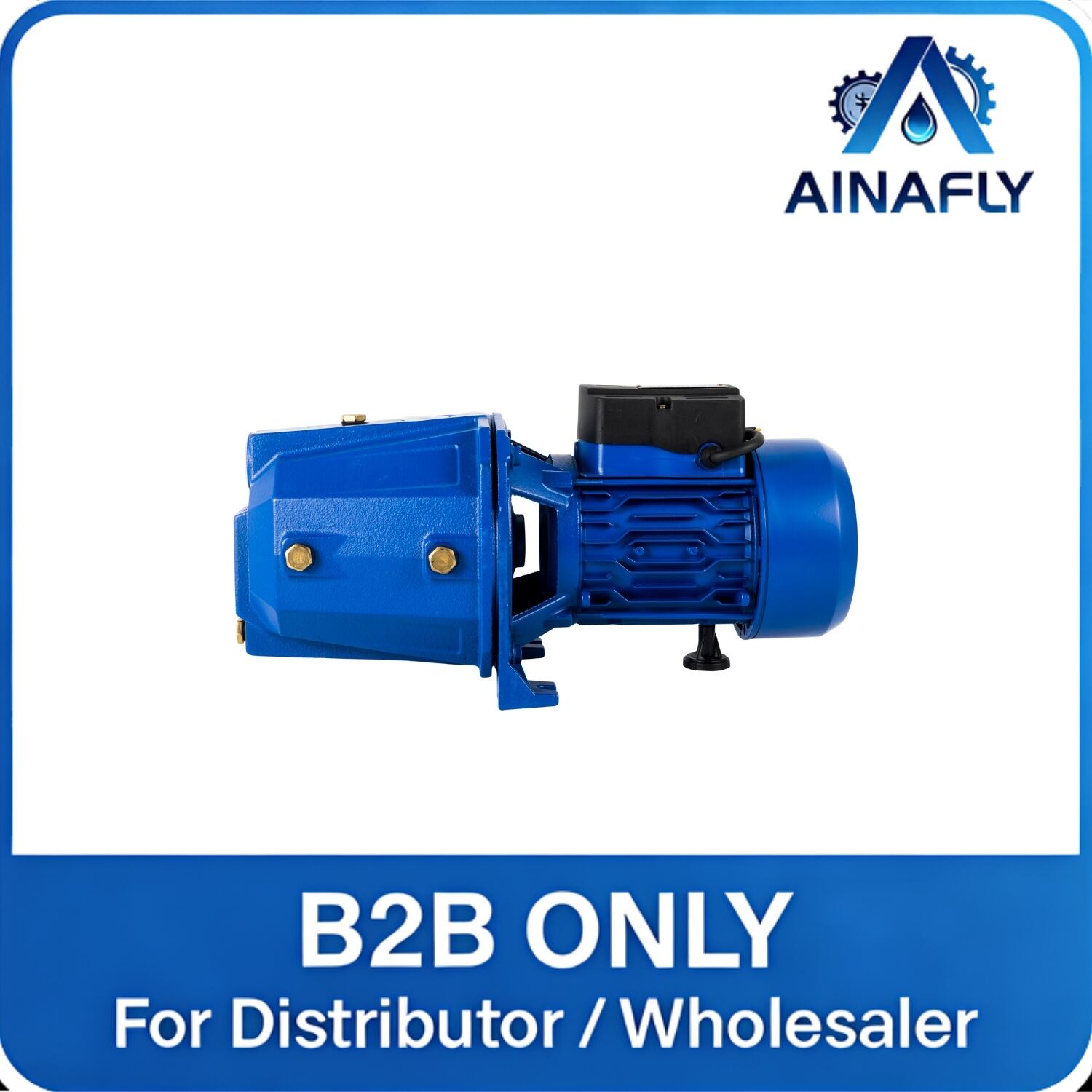
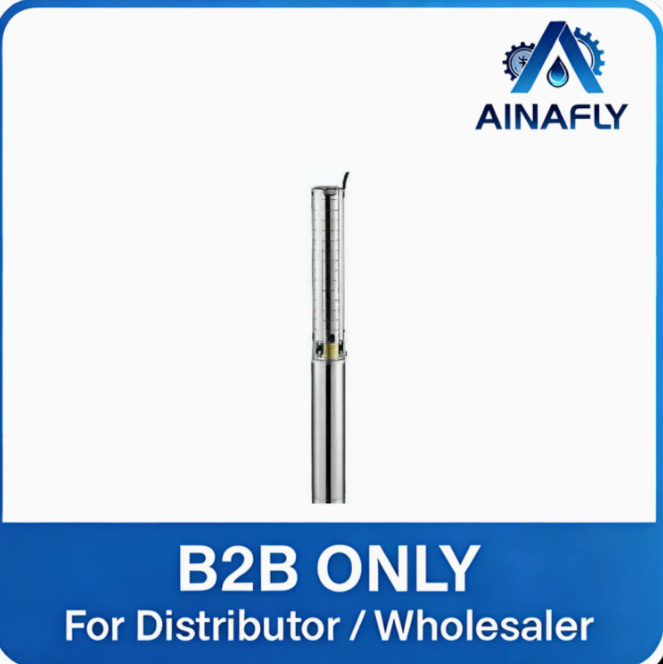
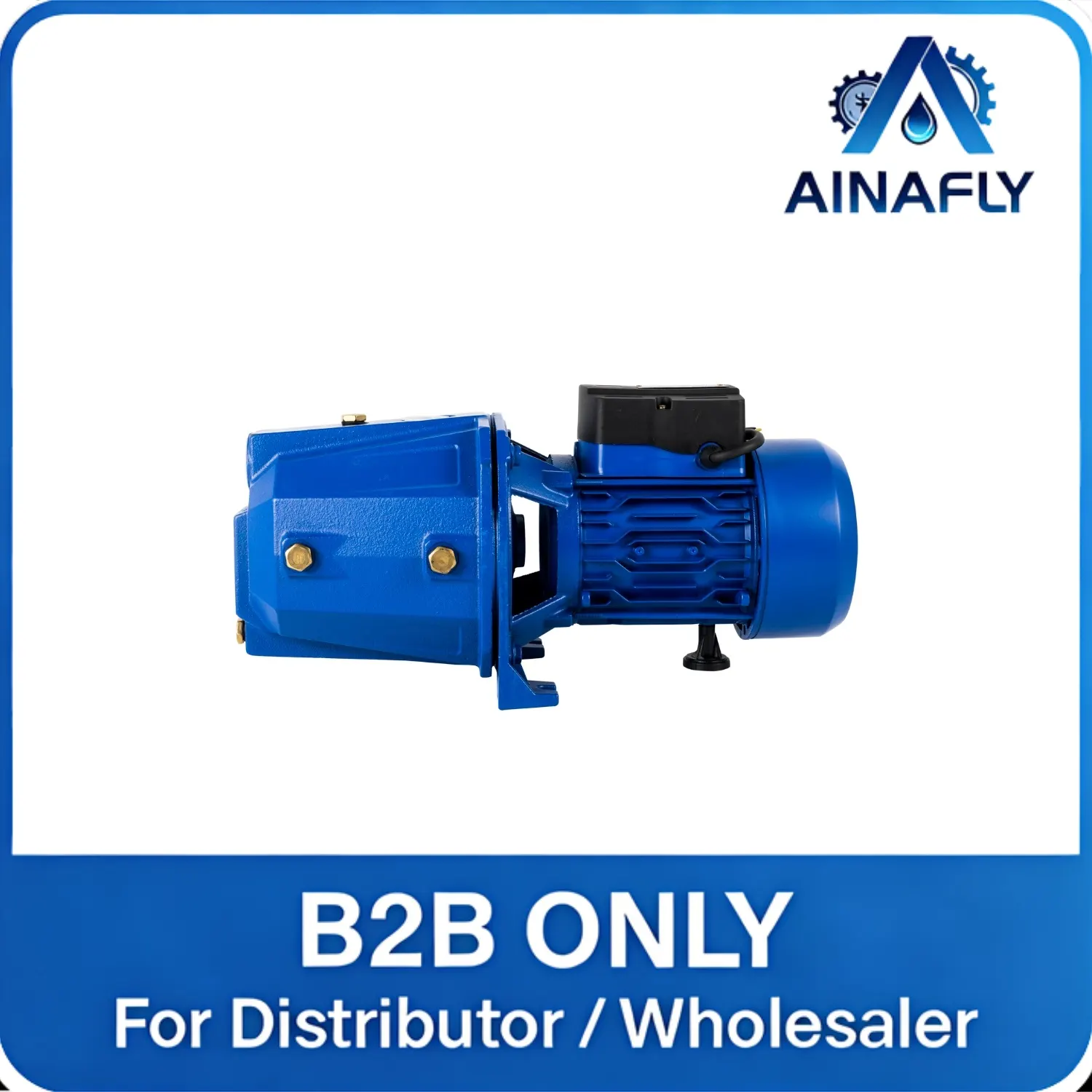
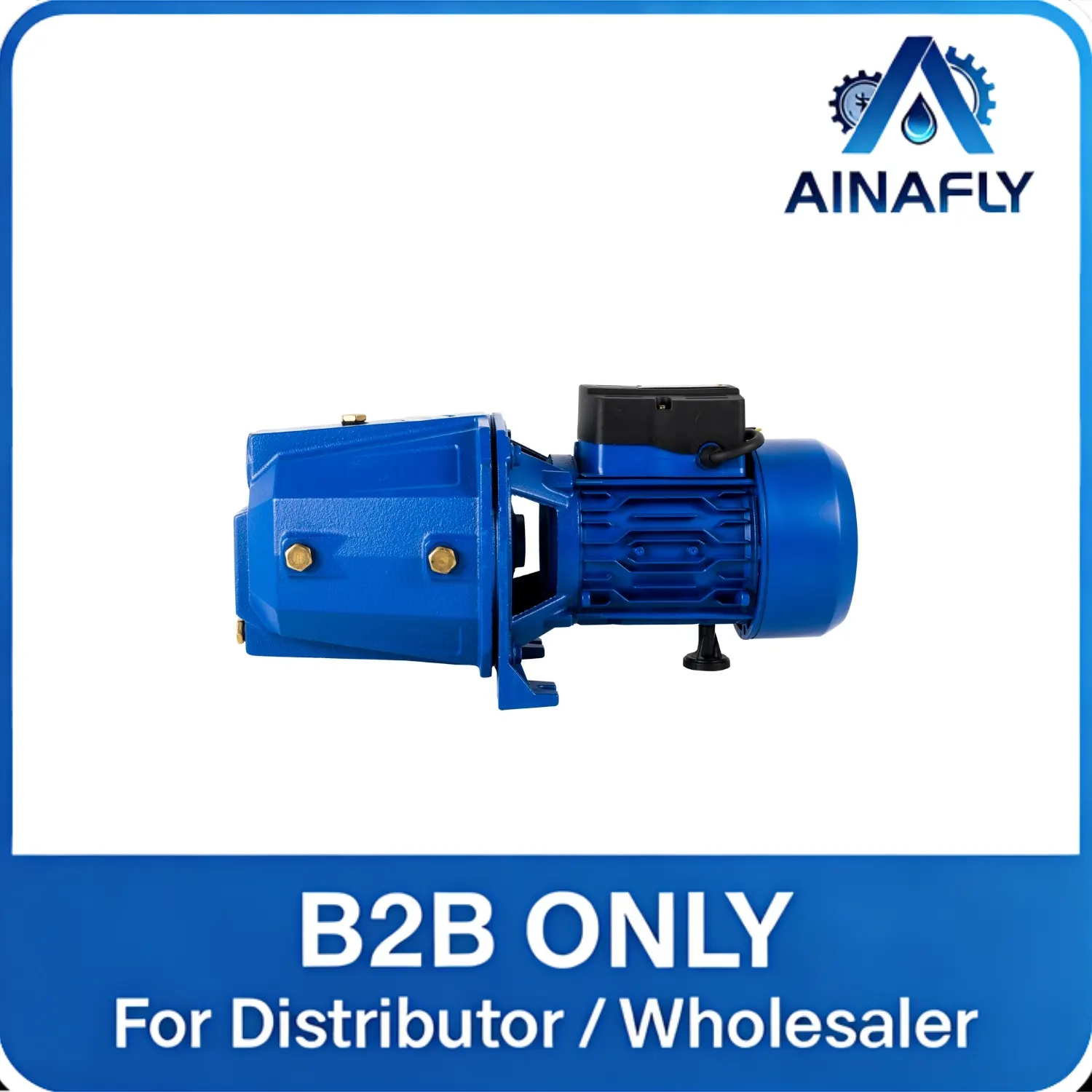
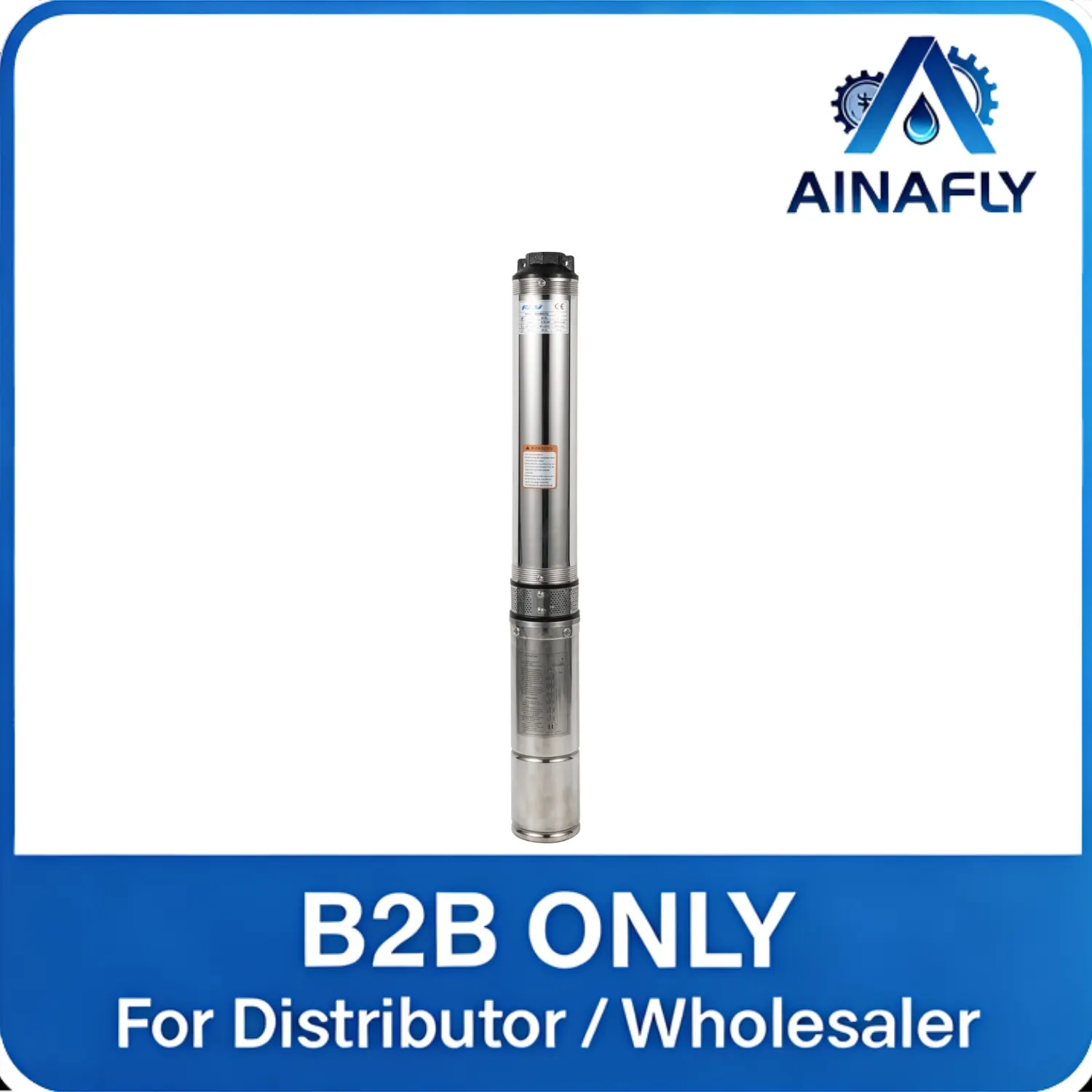
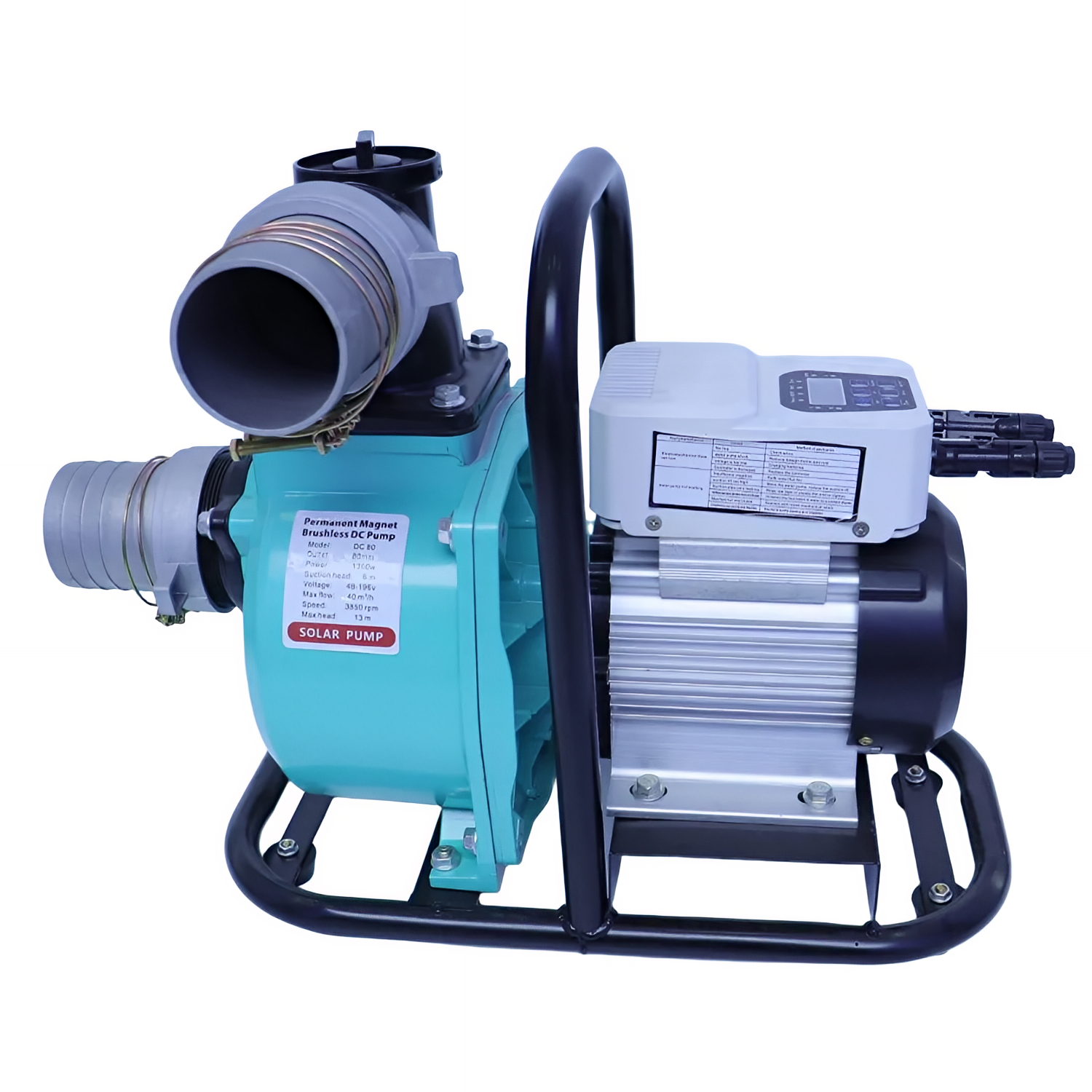
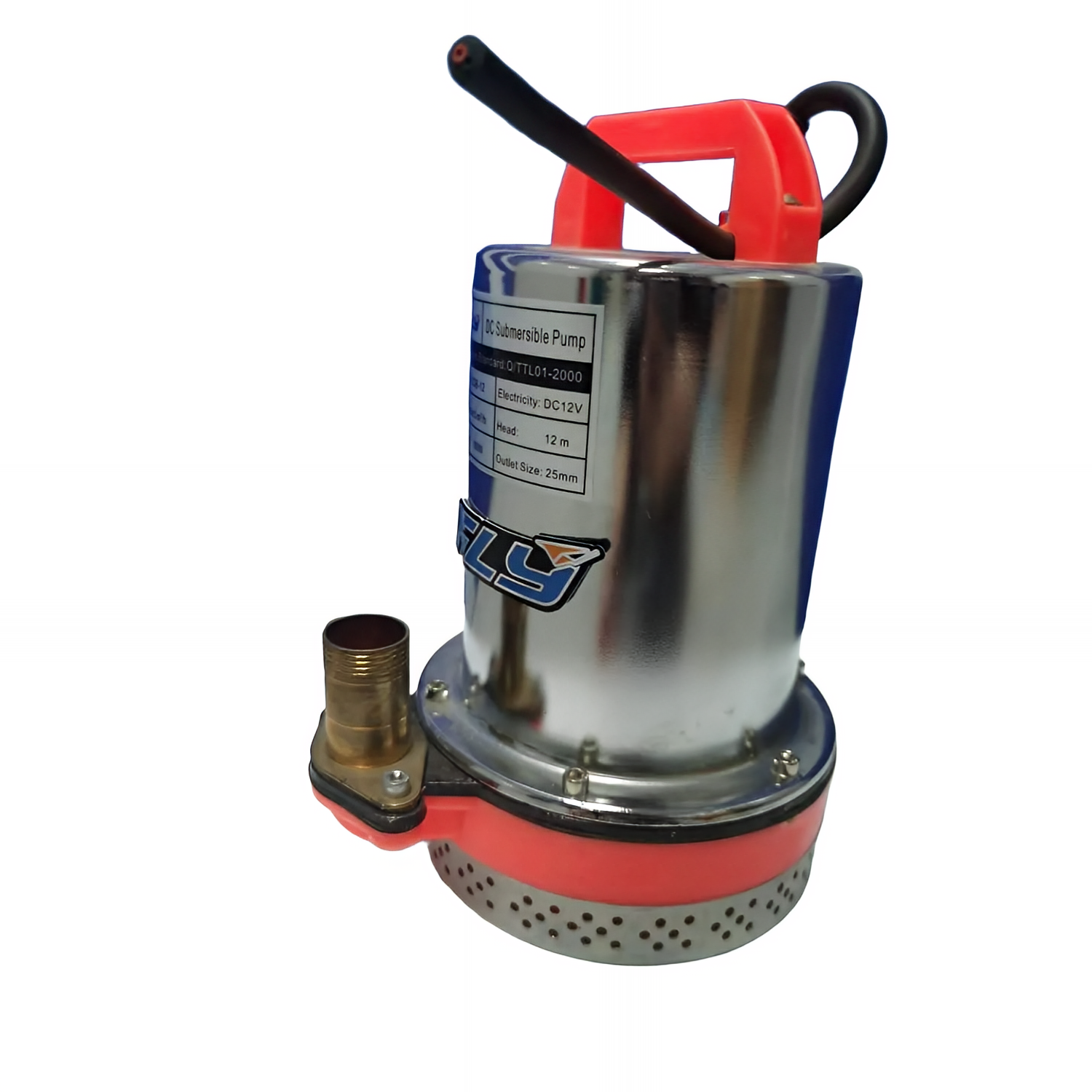
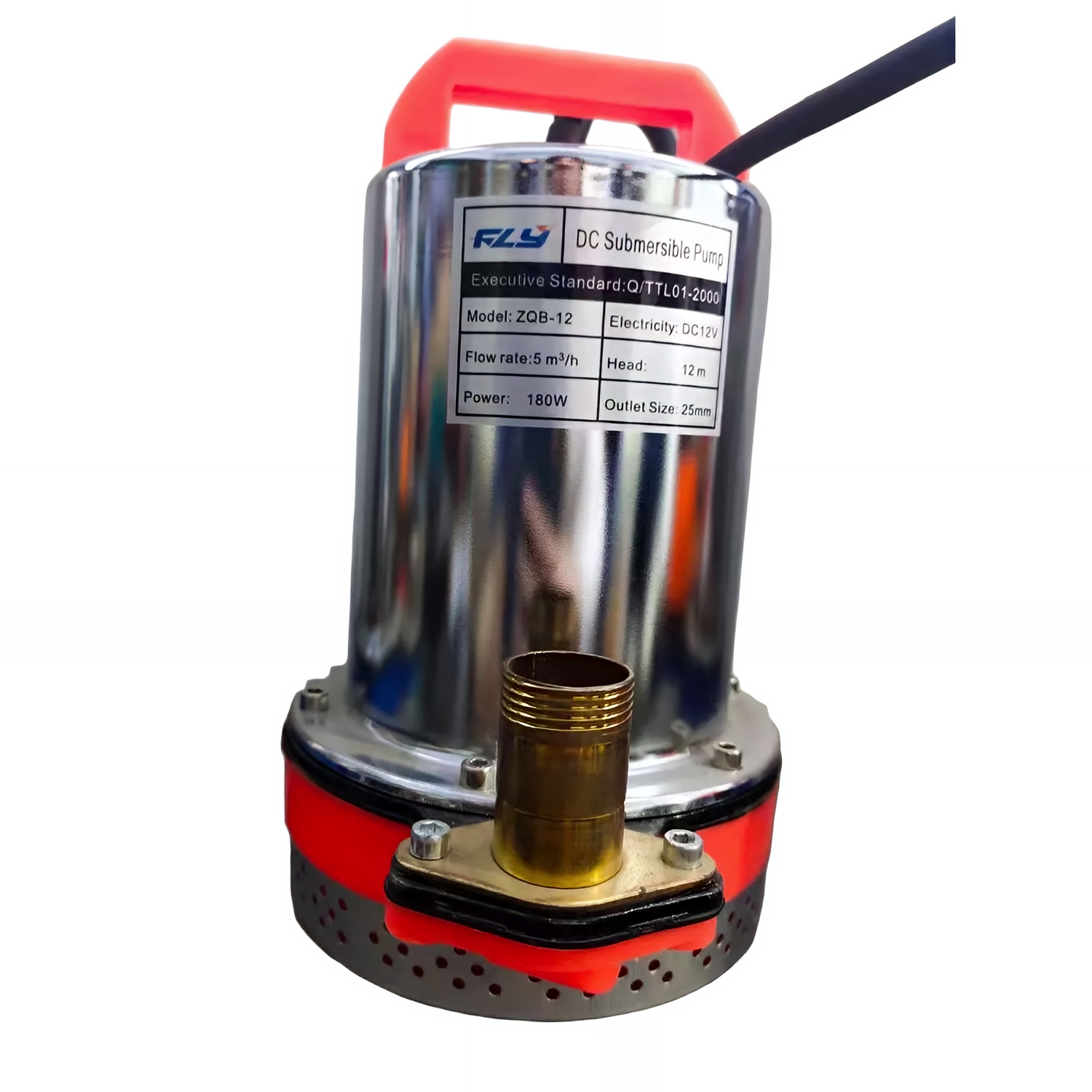
The best solar pump offers unparalleled versatility through modular design architecture that accommodates diverse water management requirements across residential, commercial, agricultural, and industrial applications. This adaptability stems from scalable solar array configurations that can be customized to match specific flow rate requirements, total dynamic head specifications, and daily water volume needs. Small residential applications benefit from compact single-panel systems capable of delivering hundreds of gallons per day for household water supply, garden irrigation, or livestock watering needs. Medium-scale agricultural operations can utilize multi-panel arrays generating several kilowatts of power to support irrigation systems covering multiple acres of cropland. Large commercial installations may incorporate extensive solar fields powering high-capacity pumping stations capable of moving thousands of gallons per hour for industrial processes or municipal water supply systems. The best solar pump accommodates various water source types including shallow wells, deep boreholes, surface water bodies, and pressurized storage systems through appropriate pump configurations. Submersible models excel in deep well applications up to several hundred feet, while surface-mounted centrifugal pumps handle high-flow, low-head applications efficiently. Specialized models address unique requirements such as chemical compatibility for industrial applications, food-grade materials for potable water systems, and explosion-proof designs for hazardous environments. Installation flexibility enables ground-mounted, roof-mounted, or pole-mounted solar array configurations to optimize solar exposure while accommodating site-specific constraints. The modular nature allows for system expansion as water requirements grow, adding additional solar panels or pump units without complete system replacement. Intelligent control systems automatically coordinate multiple pump operations for complex applications requiring variable flow rates or pressure management. Battery integration options provide operational flexibility for applications requiring consistent water supply during nighttime hours or extended cloudy periods. The best solar pump systems can interface with existing water management infrastructure including pressure tanks, distribution networks, and automated irrigation controllers. This comprehensive versatility makes solar pumping technology suitable for remote off-grid locations, grid-tied installations seeking energy independence, and emergency backup applications where traditional power sources may be unreliable or unavailable.
 EN
EN