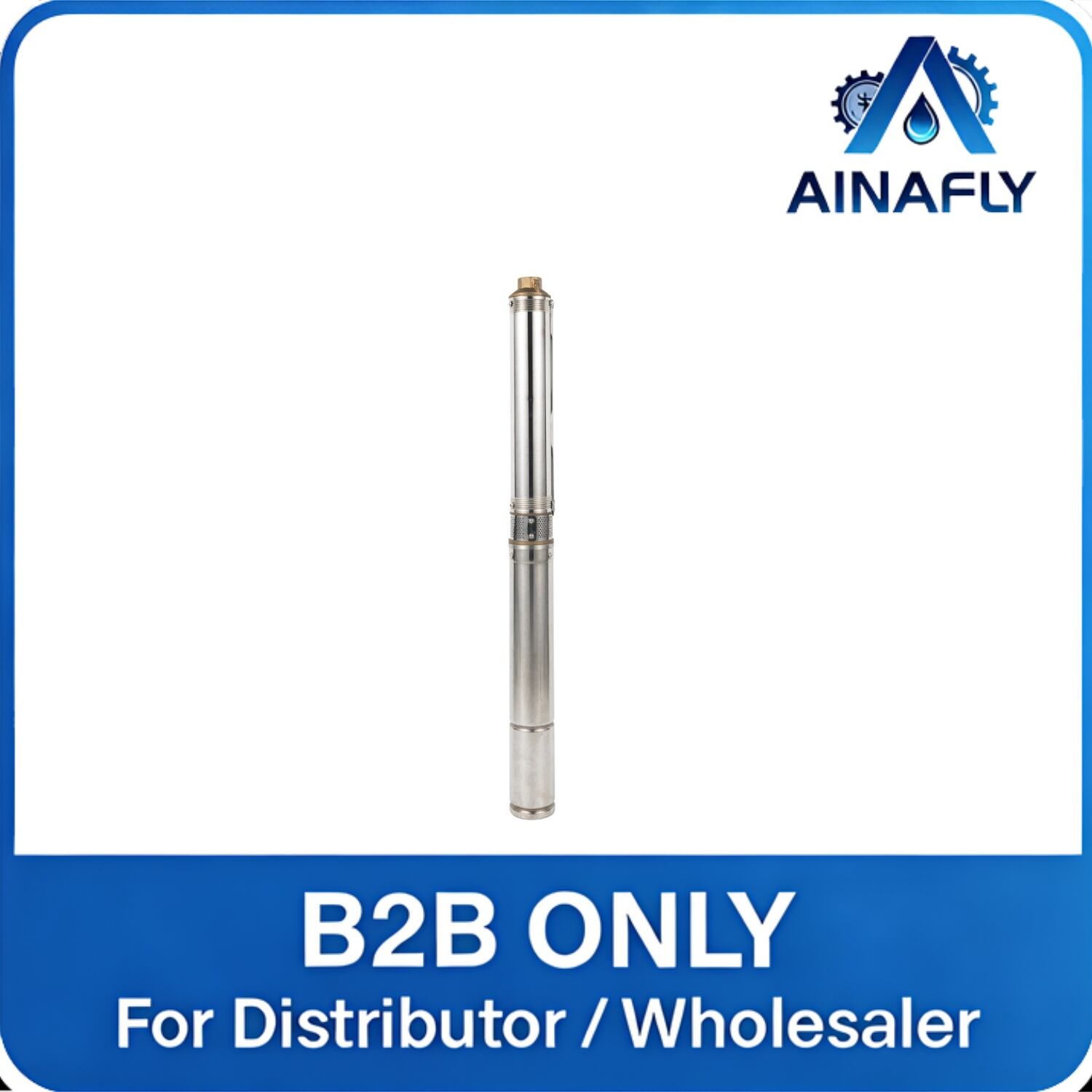
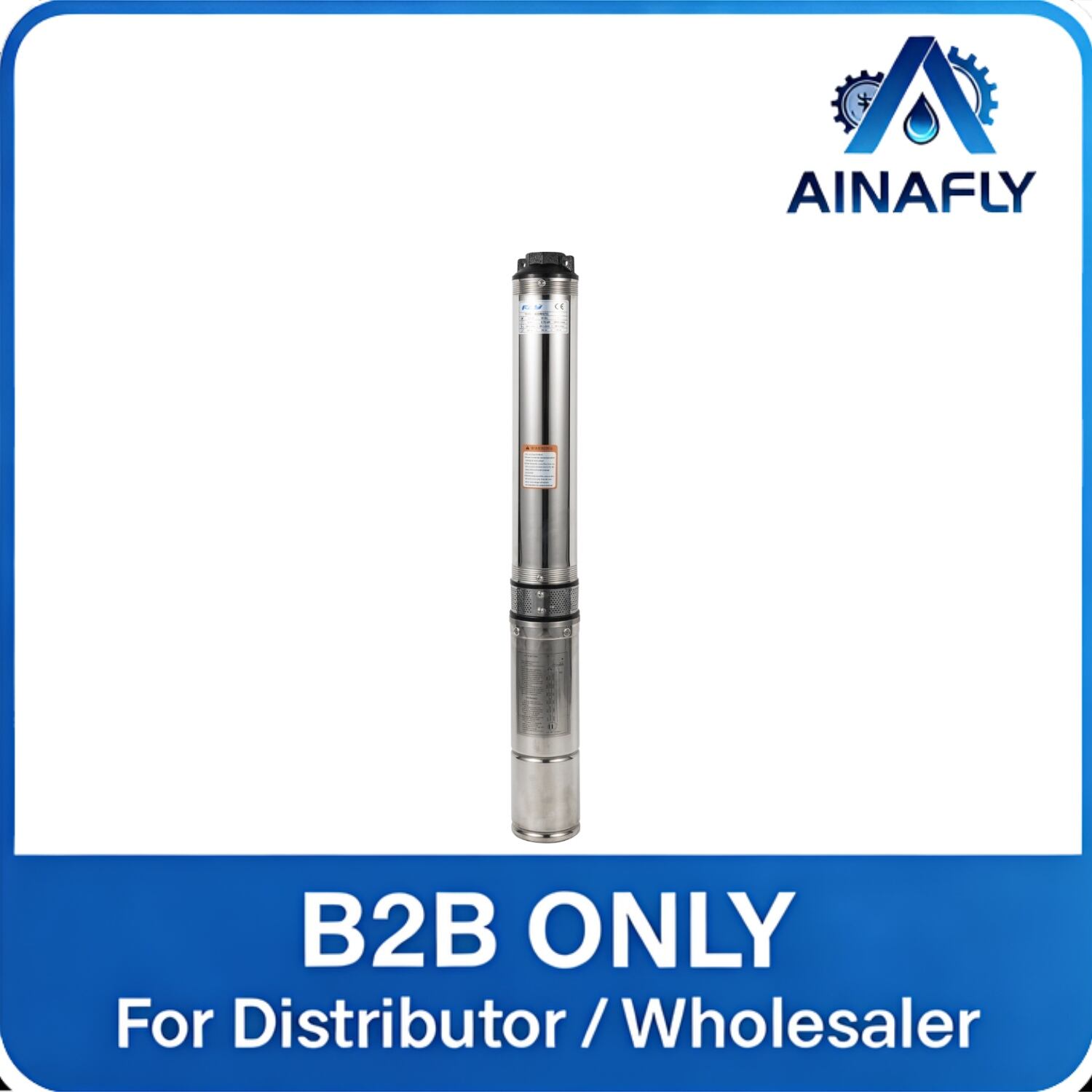
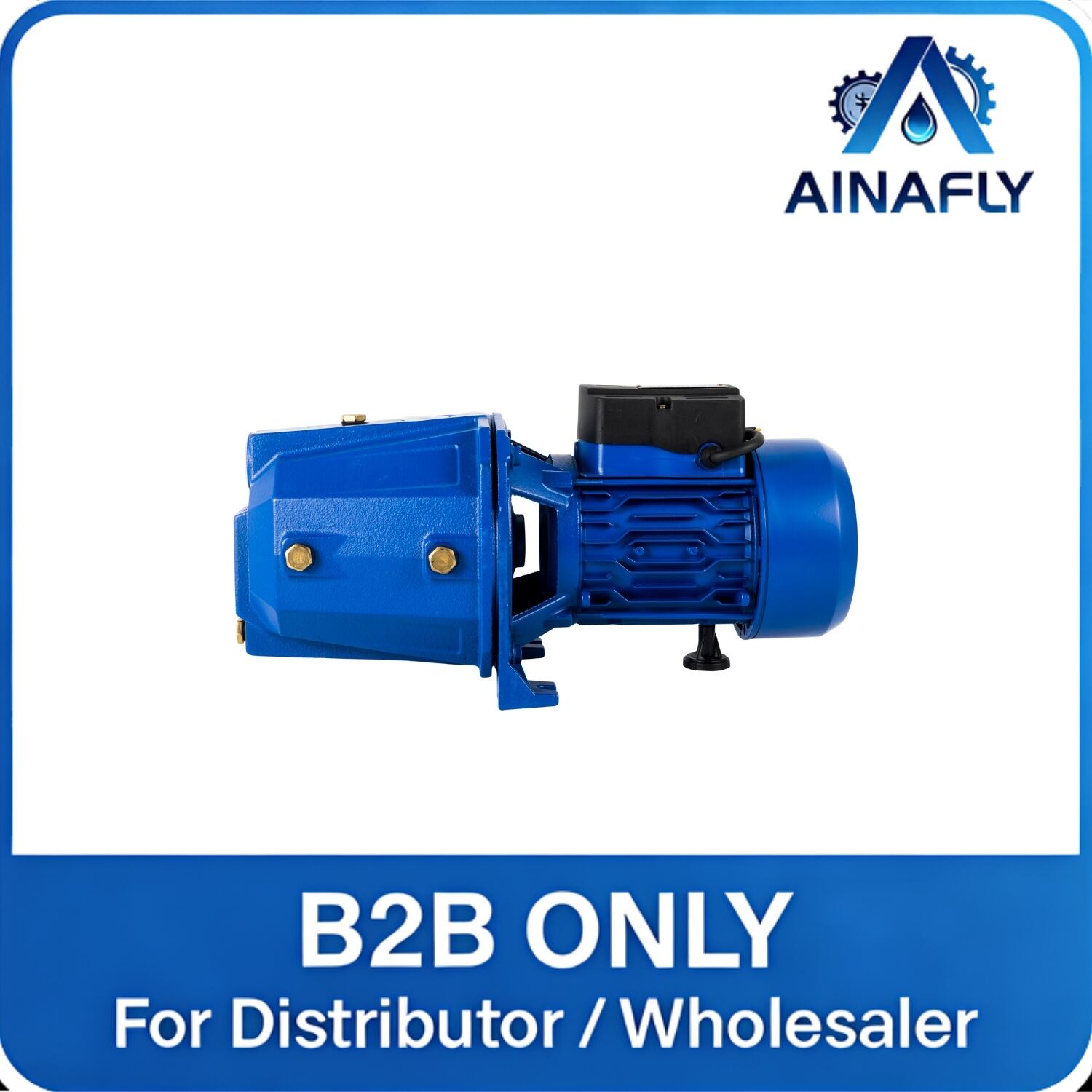
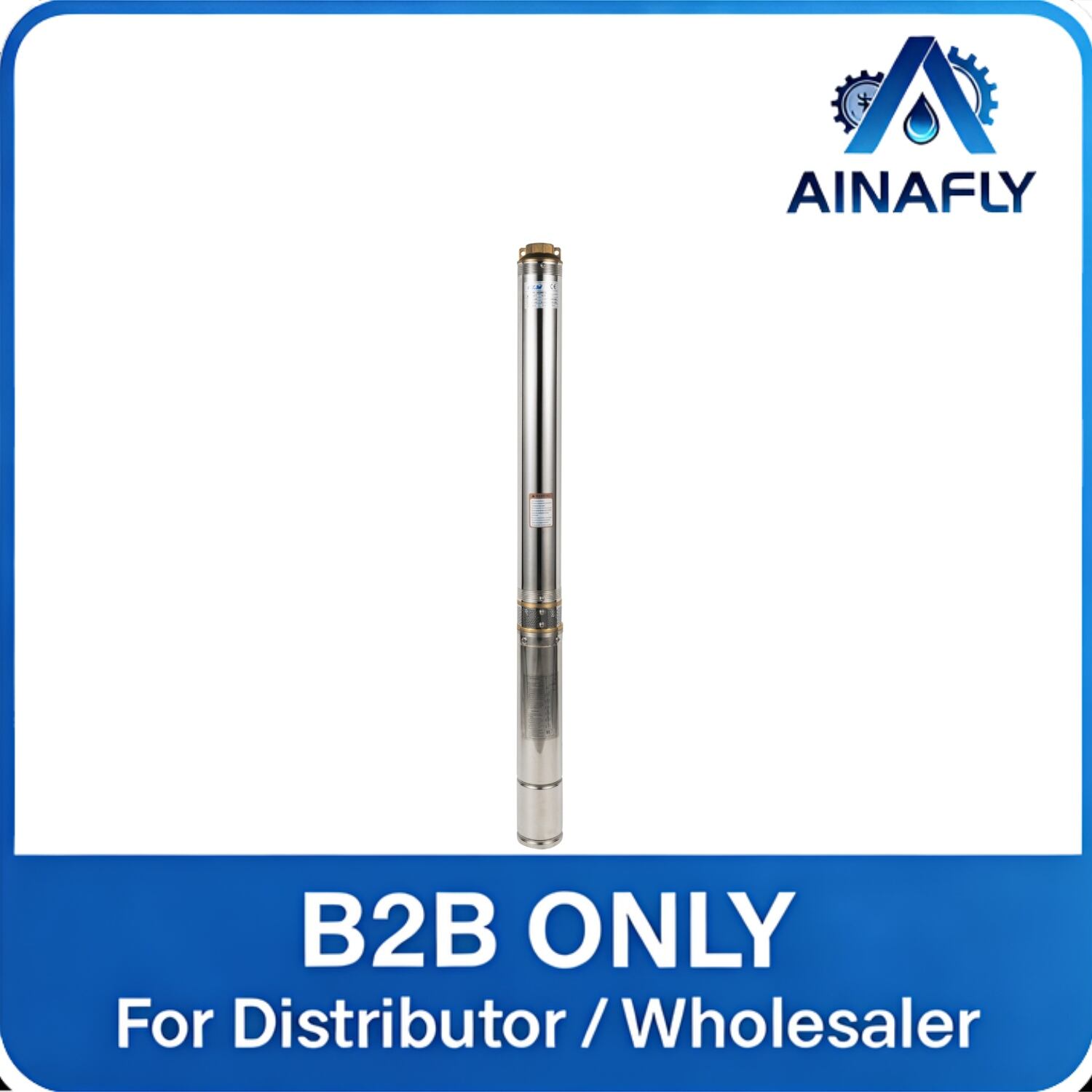
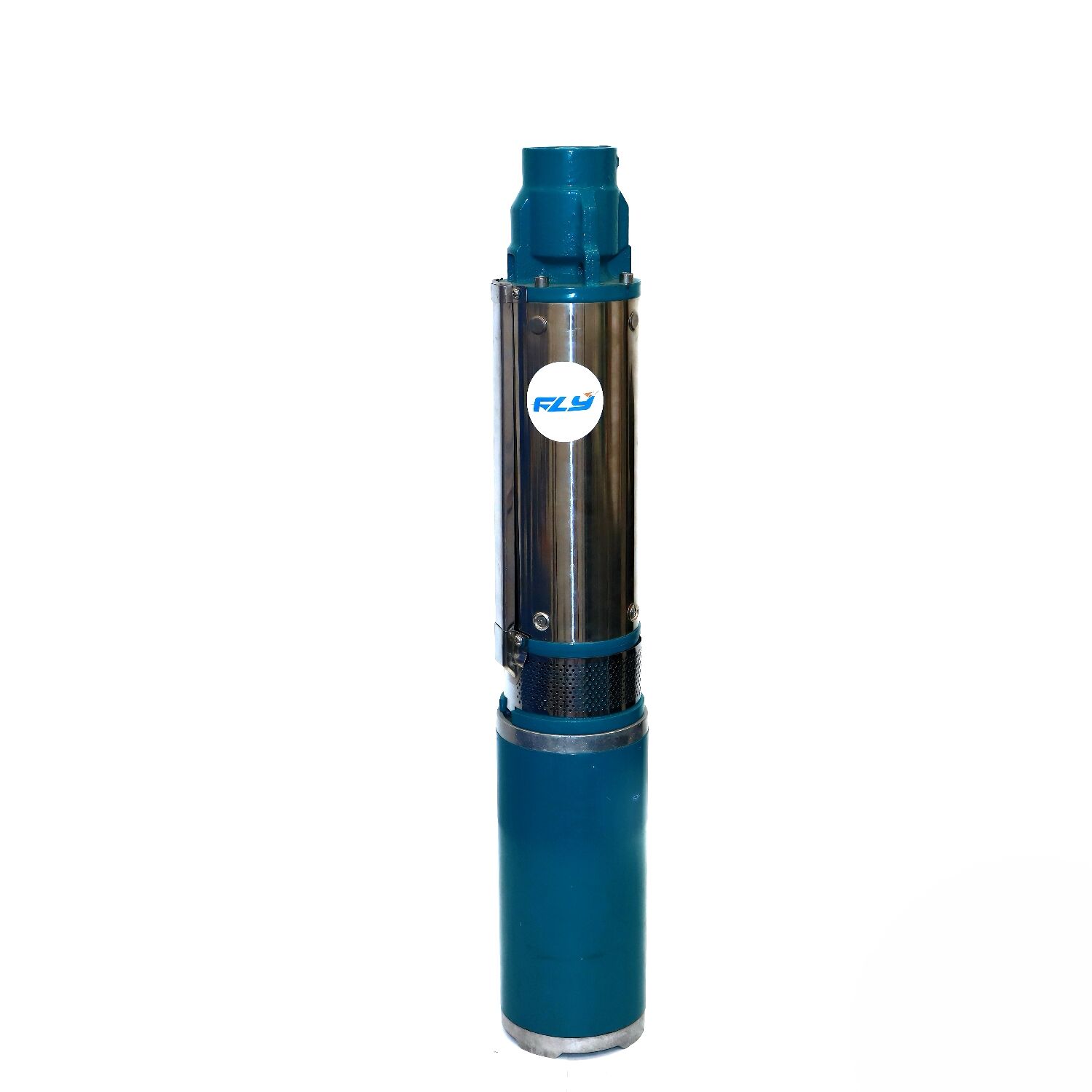
High-Performance DC Oil Pumps: Energy-Efficient Fluid Management Solutions for Industrial Applications

Get a Free Quote

Our representative will contact you soon.
Email
Name
Company Name
Message
0/1000

dc oil pump

A DC oil pump represents a specialized pumping system that operates using direct current electrical power to efficiently circulate, transfer, and manage oil-based fluids across various industrial and automotive applications. This sophisticated device combines the reliability of DC motor technology with precision-engineered pumping mechanisms to deliver consistent fluid management solutions. The DC oil pump functions by converting electrical energy from DC power sources into mechanical energy, which drives an impeller or gear assembly that creates the necessary pressure differential to move oil through connected systems. The primary function of a DC oil pump centers on maintaining optimal oil circulation within engines, hydraulic systems, lubrication networks, and industrial machinery. These pumps ensure continuous oil flow to critical components, preventing wear, reducing friction, and maintaining operational efficiency across diverse equipment types. The technological architecture of a DC oil pump incorporates advanced motor control systems, durable housing materials, and precision-machined internal components designed to withstand harsh operating conditions. Modern DC oil pump designs feature variable speed controls, allowing operators to adjust flow rates according to specific system requirements. The pump housing typically utilizes corrosion-resistant materials such as aluminum alloy or stainless steel, ensuring longevity and reliable performance in challenging environments. Advanced sealing technologies prevent leakage while maintaining consistent pressure levels throughout operation. Applications for DC oil pump systems span across automotive industries, marine vessels, agricultural equipment, construction machinery, and stationary industrial installations. In automotive applications, DC oil pumps support engine lubrication systems, transmission fluid circulation, and hydraulic power steering operations. Marine applications utilize these pumps for engine oil management, hydraulic deck equipment, and bilge oil transfer systems. The versatility of DC oil pump technology makes it suitable for both mobile equipment requiring battery power operation and stationary installations with DC power supply systems.


New Products

DC oil pump systems deliver exceptional energy efficiency compared to traditional AC-powered alternatives, resulting in reduced operational costs and extended equipment lifespan. The direct current operation eliminates the need for complex power conversion systems, minimizing energy losses during operation and providing more precise control over pumping performance. This efficiency translates directly into lower electricity consumption, making DC oil pump installations cost-effective for long-term operation. The compact design of DC oil pump units allows for flexible installation options in space-constrained environments where traditional pumping systems cannot fit effectively. These pumps operate with significantly reduced noise levels, creating quieter working environments and meeting strict noise regulations in residential or commercial areas. The instant start capability of DC oil pump motors provides immediate response to system demands, eliminating warm-up periods required by other pump types. Variable speed control capabilities enable operators to precisely match pump output to system requirements, preventing over-pumping and reducing unnecessary wear on connected equipment. DC oil pump systems demonstrate superior reliability through simplified electrical components that experience less stress during operation compared to AC motor systems. The absence of starting capacitors, contactors, and complex wiring reduces potential failure points, resulting in lower maintenance requirements and extended service intervals. Battery compatibility makes DC oil pump systems ideal for remote installations, mobile equipment, and emergency backup applications where grid power may be unavailable or unreliable. Temperature stability represents another significant advantage, as DC oil pump motors maintain consistent performance across wide temperature ranges without requiring additional cooling systems. The precise control characteristics of DC motors allow for smooth acceleration and deceleration, reducing hydraulic shock and protecting downstream components from pressure spikes. Integration capabilities with modern control systems enable remote monitoring, automated operation, and predictive maintenance scheduling, enhancing overall system efficiency and reducing unexpected downtime. Cost-effectiveness extends beyond initial purchase price, as DC oil pump systems require fewer supporting components, simplified installation procedures, and reduced ongoing maintenance expenses compared to alternative pumping technologies.

Latest News

What Maintenance Practices Help Extend the Life of a Jet Pump?

12

Jan

What Maintenance Practices Help Extend the Life of a Jet Pump?

Proper maintenance is the cornerstone of maximizing the operational lifespan of any industrial pumping system. When it comes to jet pump systems, implementing strategic maintenance practices can significantly extend equipment life, reduce operational...
View More
What Makes a Land Pump Suitable for Long-Term Outdoor Operation?

31

Jan

What Makes a Land Pump Suitable for Long-Term Outdoor Operation?

Selecting the right land pump for extended outdoor applications requires careful consideration of multiple factors that directly impact performance and longevity. A well-engineered land pump must withstand harsh environmental conditions while maintai...
View More
How Do Land Pumps Compare for Industrial and Agricultural Use?

09

Feb

How Do Land Pumps Compare for Industrial and Agricultural Use?

The selection of an appropriate land pump system forms the backbone of countless industrial and agricultural operations worldwide. Whether managing irrigation systems across vast farmland or supporting critical manufacturing processes, understanding ...
View More
What Applications Are Best Suited for a Surface Pump System?

17

Feb

What Applications Are Best Suited for a Surface Pump System?

Understanding the optimal applications for a surface pump system is crucial for engineers and facility managers who need reliable water movement solutions. A surface pump operates above ground level, drawing water from wells, tanks, or water sources ...
View More

Get a Free Quote

Our representative will contact you soon.
Email
Name
Company Name
Message
0/1000

dc oil pump

Superior Energy Efficiency and Cost Savings

Superior Energy Efficiency and Cost Savings

The energy efficiency of DC oil pump systems represents a revolutionary advancement in fluid management technology, delivering measurable cost savings and environmental benefits that traditional pumping solutions cannot match. Unlike conventional AC pumps that require power conversion and complex starting circuits, DC oil pump motors operate with direct electrical conversion, eliminating energy losses associated with power transformation processes. This direct operation results in efficiency ratings typically exceeding 90 percent, compared to 70-80 percent efficiency common in AC pump systems. The variable speed capabilities inherent in DC oil pump design allow for precise matching of pump output to actual system demands, preventing the energy waste associated with constant-speed operation. This intelligent speed control can reduce energy consumption by up to 40 percent compared to fixed-speed alternatives, depending on application requirements and duty cycles. The regenerative braking capabilities available in advanced DC oil pump systems can recover energy during deceleration phases, further enhancing overall system efficiency. Temperature-independent performance characteristics ensure that DC oil pump systems maintain consistent efficiency regardless of ambient conditions, eliminating the performance degradation experienced by other motor types in extreme temperatures. The simplified electrical architecture reduces parasitic losses through elimination of power factor correction equipment, contactors, and complex starting circuits required by AC systems. Maintenance-related cost savings contribute significantly to the total cost of ownership advantages, as DC oil pump systems require fewer scheduled maintenance interventions and experience longer service intervals between major overhauls. The precise control capabilities prevent over-pressurization and excessive flow conditions that cause premature wear in hydraulic components, extending the operational life of entire fluid systems. Energy monitoring capabilities built into modern DC oil pump controllers provide real-time feedback on system efficiency, enabling operators to optimize performance and identify potential issues before they impact operational costs. The combination of reduced energy consumption, lower maintenance requirements, and extended equipment life creates a compelling financial case for DC oil pump adoption across diverse industrial applications.
Advanced Precision Control and Reliability

Advanced Precision Control and Reliability

The precision control capabilities of DC oil pump systems provide unprecedented accuracy in fluid management applications, enabling operators to maintain exact pressure levels, flow rates, and timing sequences that critical industrial processes demand. Advanced electronic speed controllers integrated into modern DC oil pump designs offer micro-second response times to control signals, allowing for real-time adjustment of pumping parameters based on system feedback. This level of control precision surpasses mechanical regulation methods by several orders of magnitude, enabling applications such as precision dosing, automated lubrication systems, and synchronized multi-pump operations. The inherent torque characteristics of DC motors provide consistent performance across the entire speed range, unlike AC motors that experience significant torque variations at different operating speeds. This consistency ensures reliable operation under varying load conditions and prevents the hunting behavior common in other pump control systems. Soft-start capabilities eliminate the mechanical shock associated with abrupt motor starting, protecting connected equipment from pressure spikes and reducing wear on seals, gaskets, and mechanical components. The digital control interfaces available in contemporary DC oil pump systems enable integration with supervisory control and data acquisition systems, facilitating automated operation and remote monitoring capabilities. Programmable operating profiles allow operators to configure complex pumping sequences, variable flow patterns, and conditional responses to system parameters without external control equipment. Reliability metrics for DC oil pump systems consistently exceed industry standards, with mean time between failures often exceeding 50,000 operating hours under normal conditions. The simplified mechanical design reduces the number of potential failure points, while the elimination of brushes in brushless DC variants further enhances reliability by removing the primary wear component in traditional DC motors. Self-diagnostic capabilities built into modern DC oil pump controllers continuously monitor system parameters and can predict potential failures before they occur, enabling proactive maintenance scheduling and preventing unexpected downtime. The modular design approach used in quality DC oil pump systems allows for field replacement of major components without complete system replacement, reducing repair costs and minimizing downtime during maintenance activities.
Versatile Installation and Application Flexibility

Versatile Installation and Application Flexibility

The installation flexibility offered by DC oil pump systems addresses the diverse mounting, space, and power supply constraints encountered across industrial, automotive, and marine applications, making these pumps suitable for virtually any fluid management challenge. Compact form factors achieved through efficient DC motor design enable installation in locations where traditional pump systems cannot fit, such as mobile equipment engine compartments, confined industrial spaces, and retrofit applications in existing facilities. The absence of complex electrical infrastructure requirements simplifies installation procedures, as DC oil pump systems operate effectively with basic two-wire connections compared to the three-phase power distribution and control wiring required by AC alternatives. Battery compatibility opens possibilities for completely standalone operation in remote locations, emergency backup applications, and mobile equipment where grid power connections are impractical or unavailable. Solar panel integration capabilities make DC oil pump systems ideal for sustainable energy applications, enabling off-grid operation powered by renewable energy sources without requiring expensive power conversion equipment. Multiple mounting orientations accommodate various installation constraints, with most DC oil pump designs capable of operation in any position without performance degradation or special considerations. Vibration resistance inherent in DC motor construction allows installation directly on mobile equipment and industrial machinery without requiring isolation mounts or special foundations. The wide operating voltage ranges supported by modern DC oil pump controllers accommodate various power supply systems, from 12-volt automotive applications to 48-volt industrial systems and higher voltage stationary installations. Modular expansion capabilities enable system scaling by adding multiple DC oil pump units without complex control integration, supporting growing operational requirements through simple parallel installation. Environmental adaptability allows DC oil pump systems to function reliably in extreme temperatures, high humidity, corrosive atmospheres, and other challenging conditions that would compromise alternative pumping technologies. Communication protocol support in advanced DC oil pump systems enables integration with existing plant control networks, building automation systems, and fleet management platforms without requiring additional interface equipment. The ability to operate effectively across wide flow rate ranges through speed control eliminates the need for multiple pump sizes in applications with varying demands, simplifying inventory management and reducing spare parts requirements for maintenance operations.

Get a Free Quote

Our representative will contact you soon.
Email
Name
Company Name
Message
0/1000

Copyright © 2026 Zhejiang Aina Pump Co., Ltd. Beijing All rights reserved.  -  Privacy policy