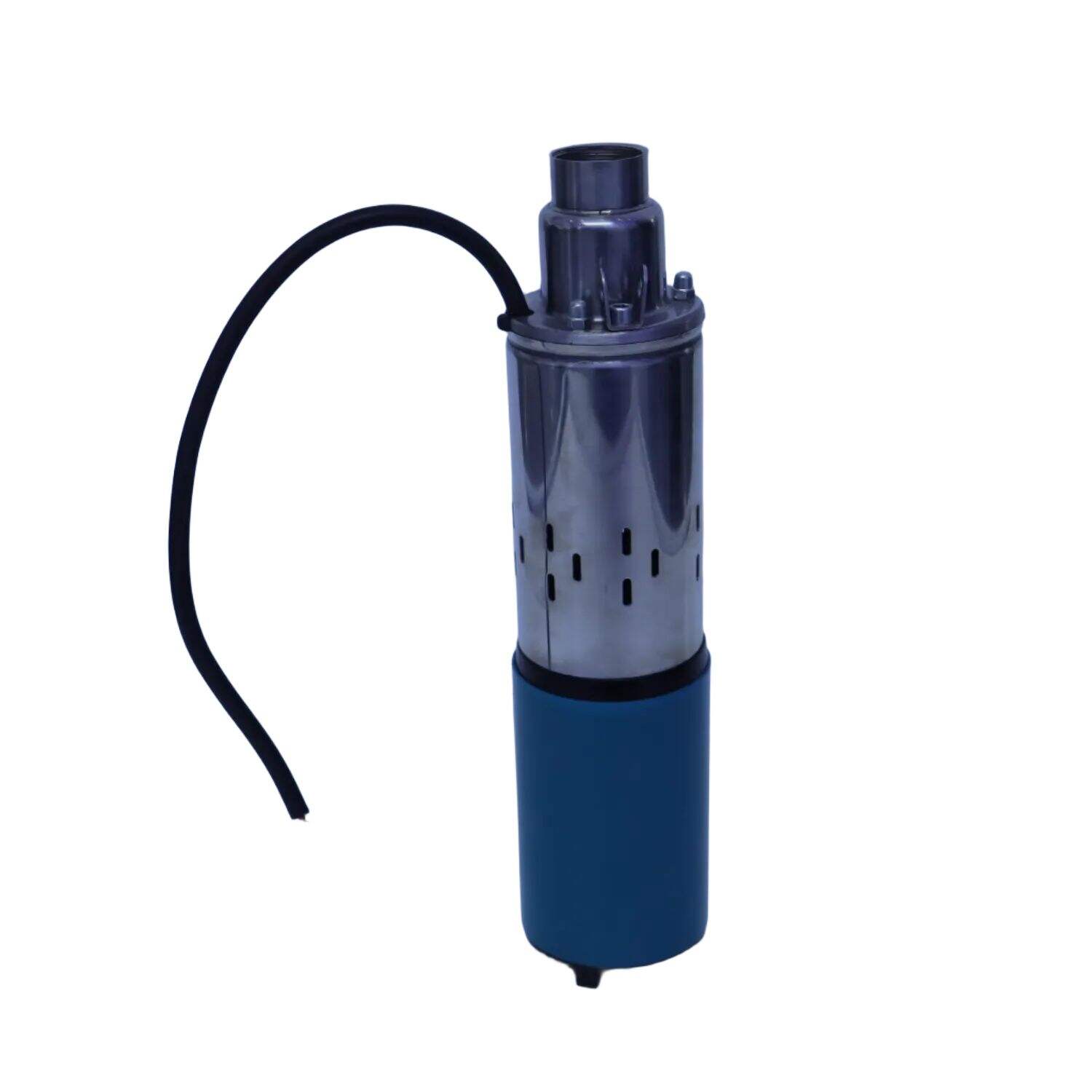
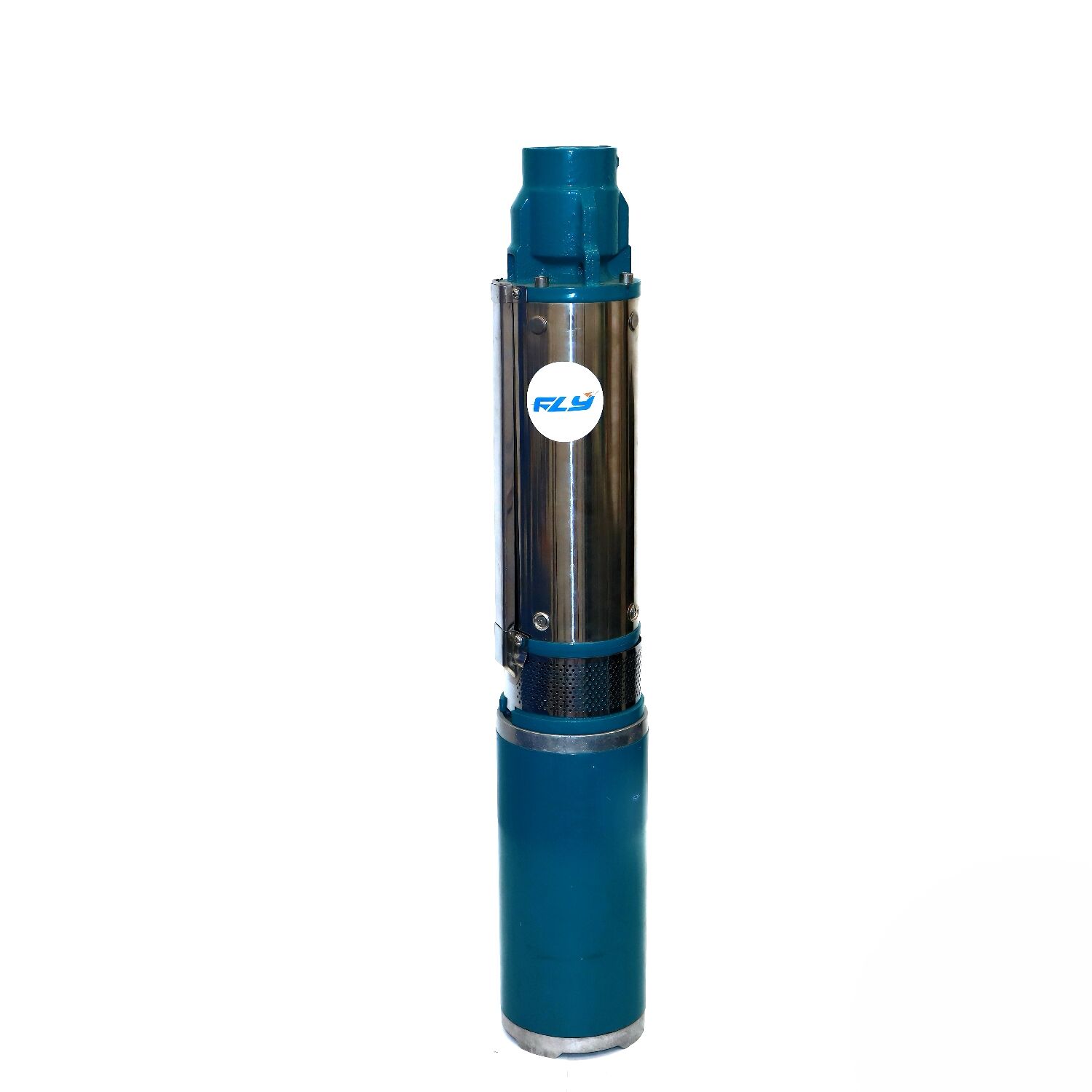
dc pressure pump
A dc pressure pump represents an innovative solution for creating and maintaining pressurized fluid systems using direct current power sources. This versatile pumping device operates by converting electrical energy from DC power supplies into mechanical force that moves liquids through various systems at desired pressure levels. The fundamental design of a dc pressure pump incorporates an electric motor powered by direct current, which drives an impeller or piston mechanism to generate the necessary pressure differential for fluid movement. These pumps excel in applications where consistent pressure output is essential, making them indispensable across numerous industries and residential applications. The technological foundation of dc pressure pump systems relies on precise motor control circuits that regulate speed and torque output, ensuring optimal performance under varying load conditions. Modern dc pressure pump units feature advanced electronic controllers that monitor system parameters such as pressure, flow rate, and temperature, automatically adjusting operation to maintain desired performance levels. The compact design of most dc pressure pump models allows for easy integration into existing systems while minimizing space requirements. Variable speed capabilities enable users to customize pump operation according to specific application needs, providing excellent energy efficiency compared to traditional fixed-speed alternatives. These pumps typically incorporate robust construction materials that withstand harsh operating environments, ensuring long-term reliability and minimal maintenance requirements. The self-priming capabilities of many dc pressure pump designs eliminate the need for manual priming procedures, simplifying installation and operation processes. Integrated pressure sensors and control systems provide real-time monitoring and automatic shutdown protection, preventing damage from dry running or over-pressurization conditions. The dc pressure pump technology continues to evolve with improvements in motor efficiency, electronic controls, and system integration capabilities, making these devices increasingly attractive for modern fluid handling applications.

 EN
EN