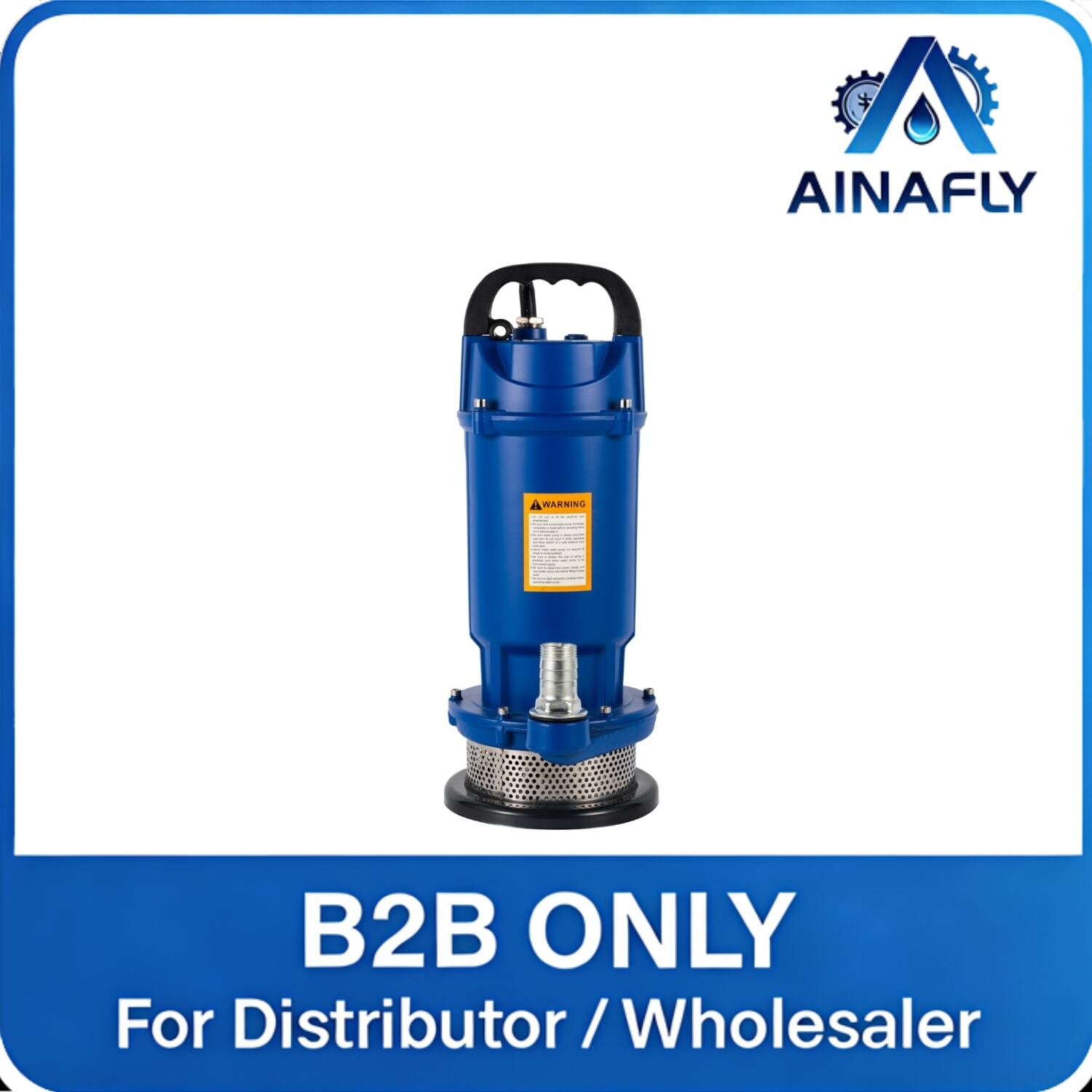
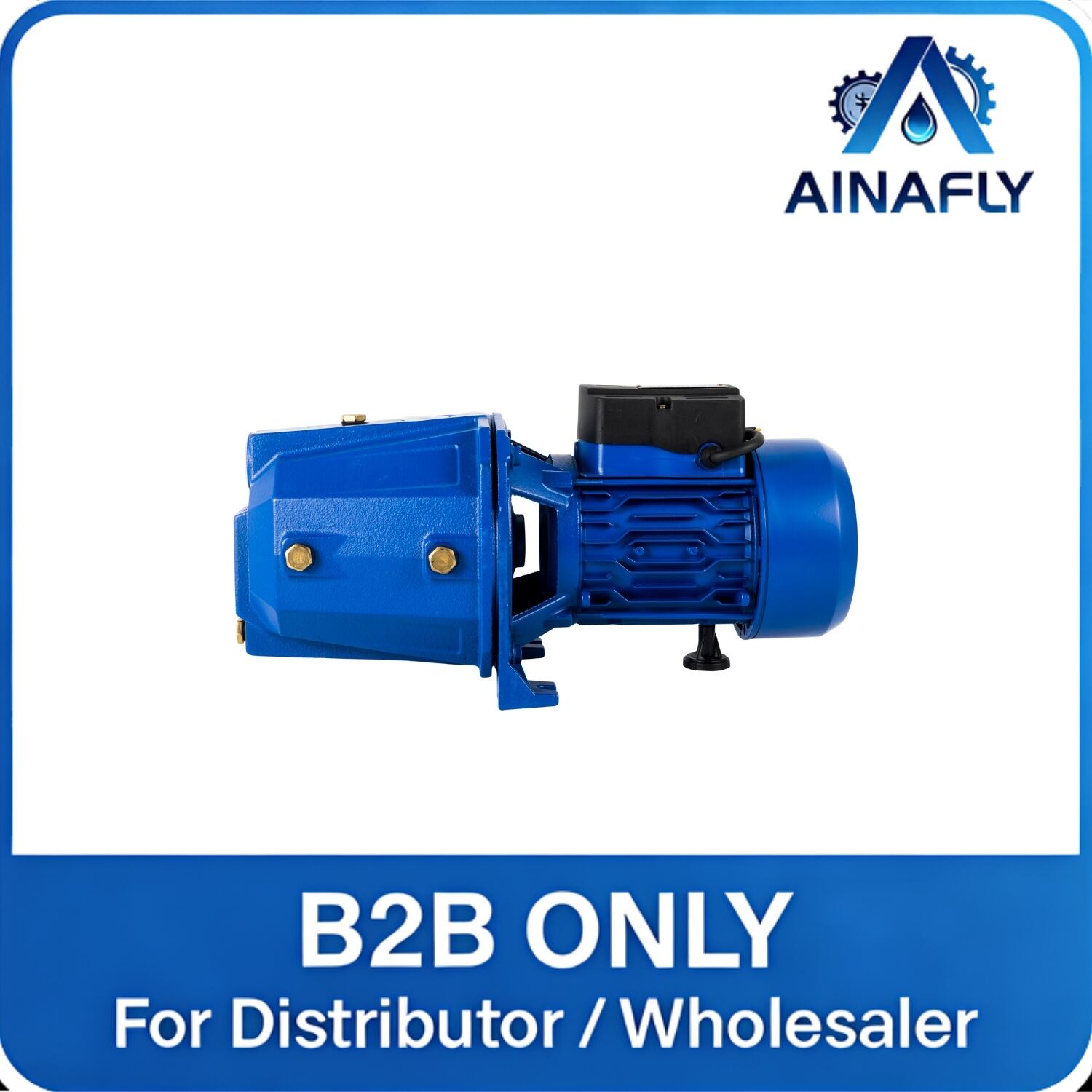
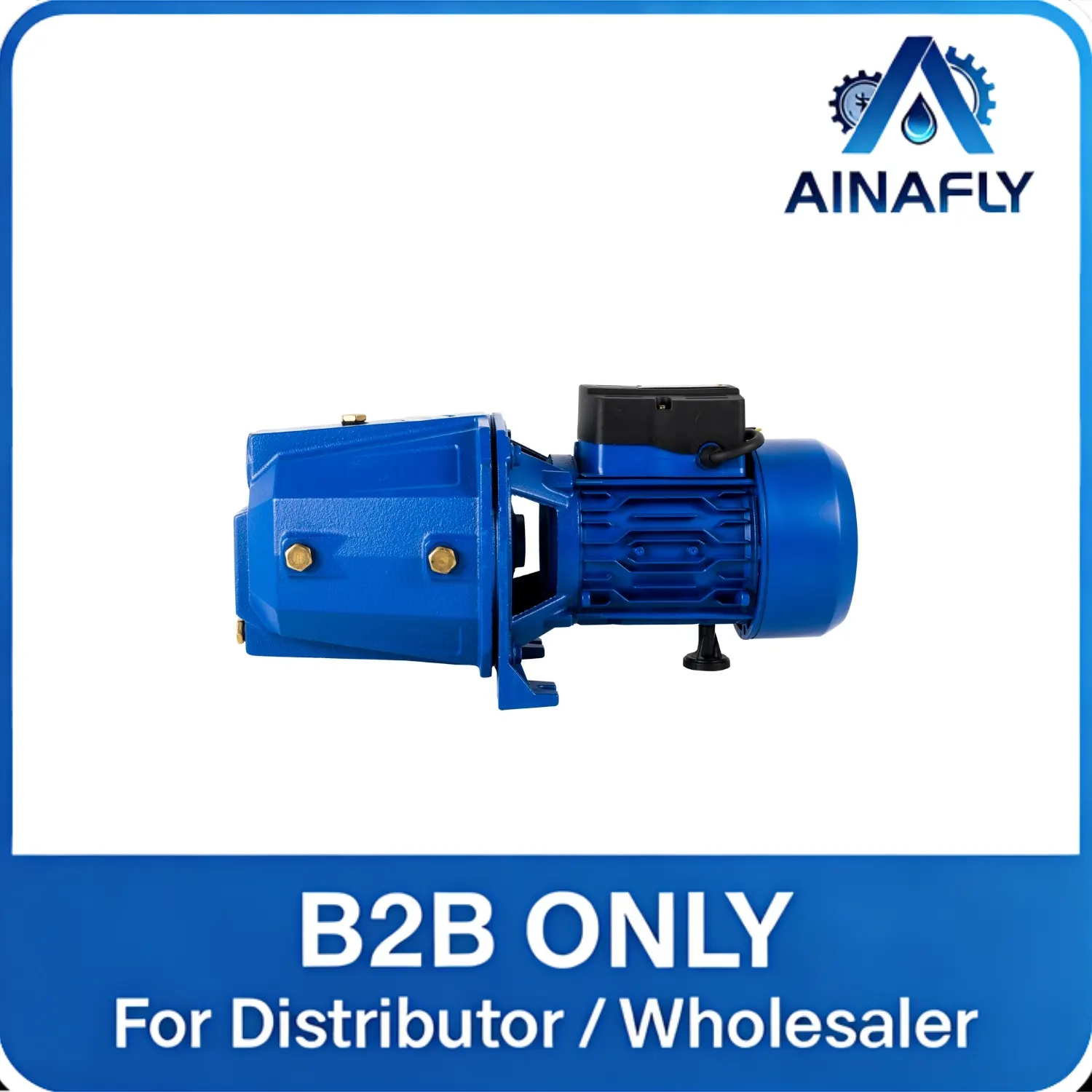
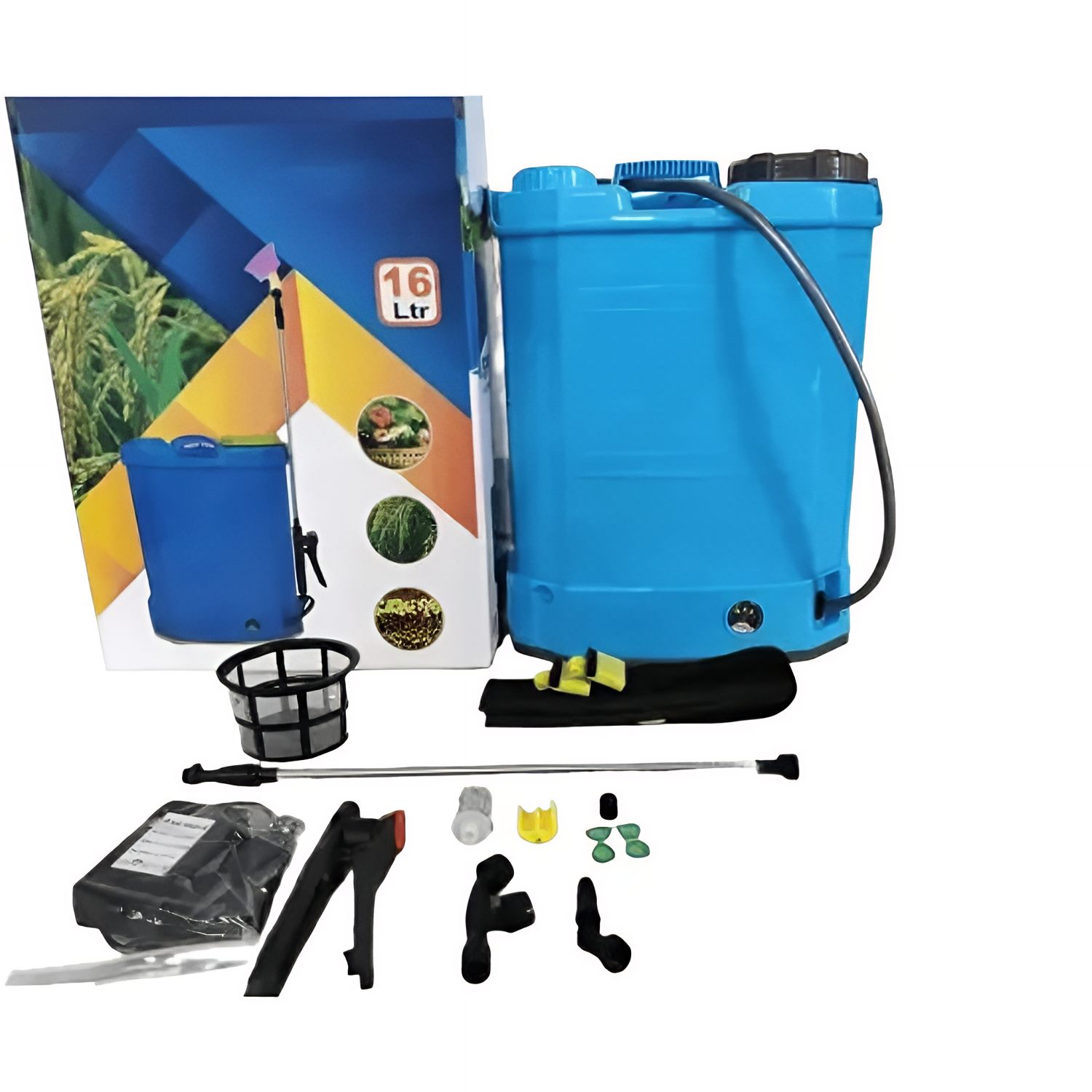
electric water pump for agriculture
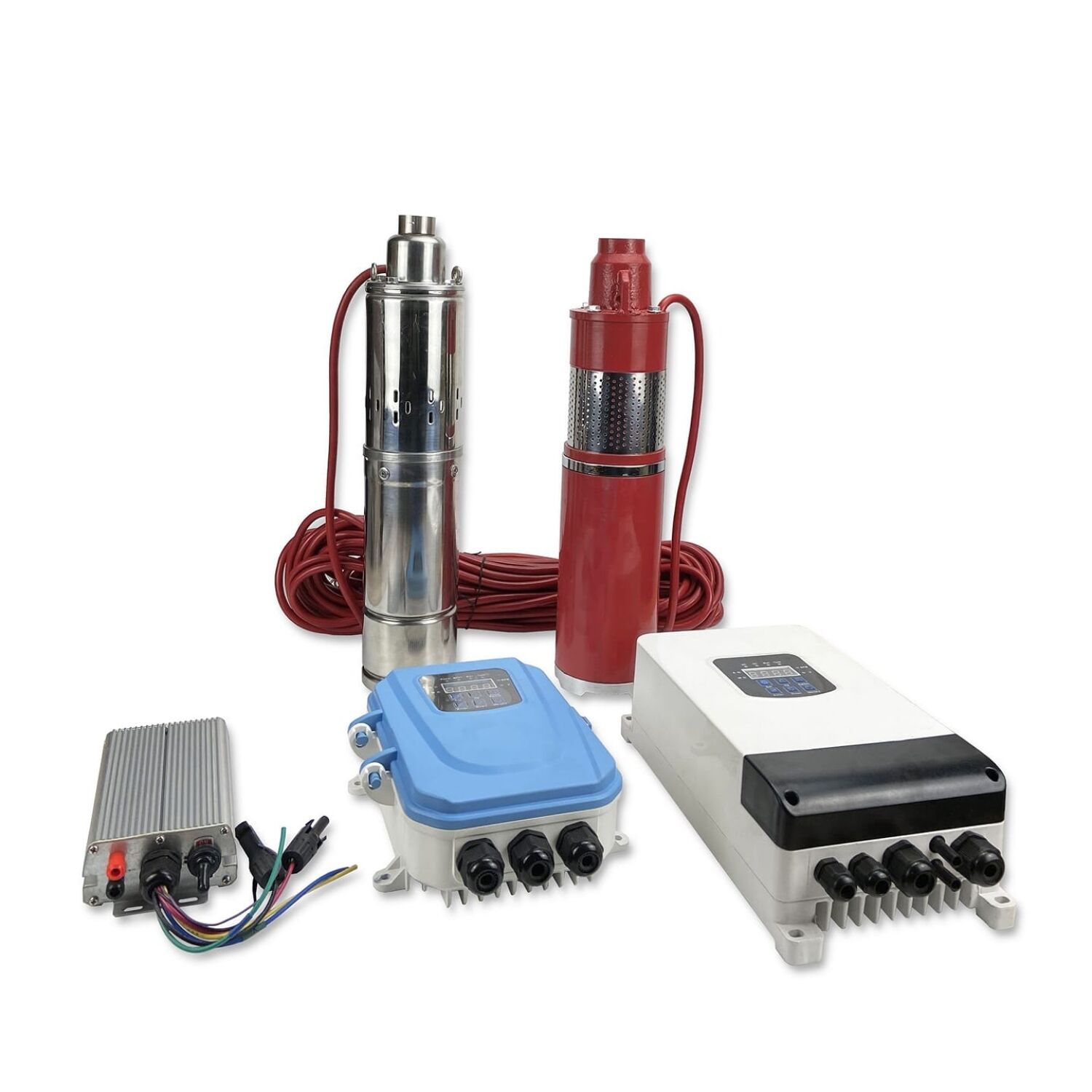
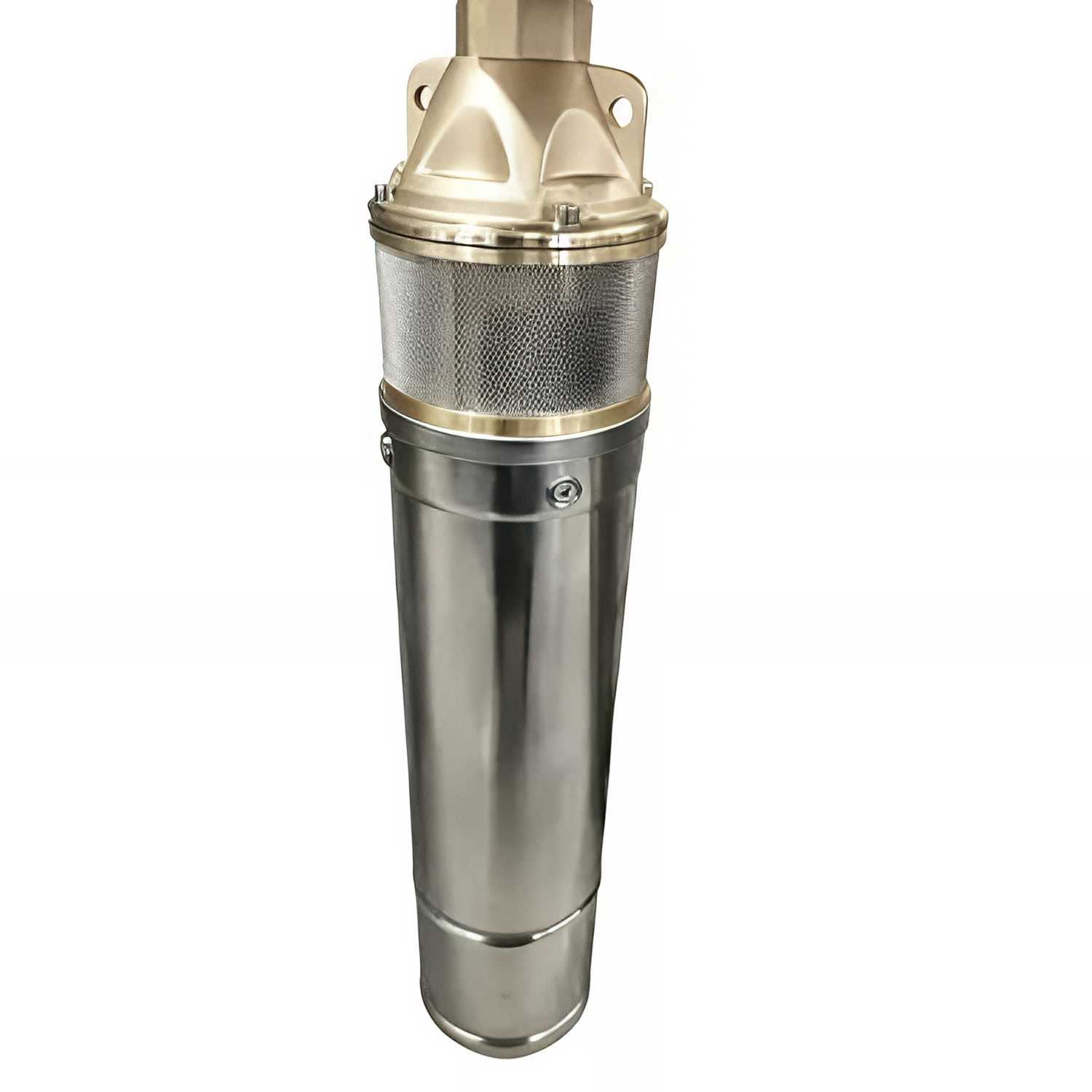
The electric water pump for agriculture represents a revolutionary advancement in modern farming irrigation systems, designed to meet the demanding water distribution needs of contemporary agricultural operations. This sophisticated equipment serves as the backbone of efficient crop irrigation, livestock watering, and general farm water management. At its core, an electric water pump for agriculture transforms electrical energy into hydraulic power, moving water from sources such as wells, reservoirs, rivers, or storage tanks to desired locations across agricultural properties. The main functions of this essential farming equipment include water extraction from underground sources, pressure boosting for irrigation systems, water transfer between different locations, and maintaining consistent water flow for automated irrigation networks. Technologically, modern electric water pumps for agriculture incorporate advanced features such as variable frequency drives that optimize energy consumption, corrosion-resistant materials for longevity, integrated control systems for automated operation, and smart sensors that monitor performance metrics. These pumps typically feature robust electric motors ranging from fractional horsepower units for small-scale operations to powerful multi-horsepower systems capable of handling large commercial farms. The construction includes durable impellers designed for continuous operation, sealed bearings that prevent contamination, and weather-resistant housings suitable for outdoor agricultural environments. Applications span across diverse farming scenarios including drip irrigation systems, sprinkler networks, greenhouse operations, livestock watering systems, aquaculture facilities, and emergency water supply during drought conditions. The versatility of electric water pumps for agriculture makes them indispensable for crop cultivation, animal husbandry, and overall farm productivity enhancement, ensuring reliable water access regardless of seasonal variations or geographical constraints.

 EN
EN