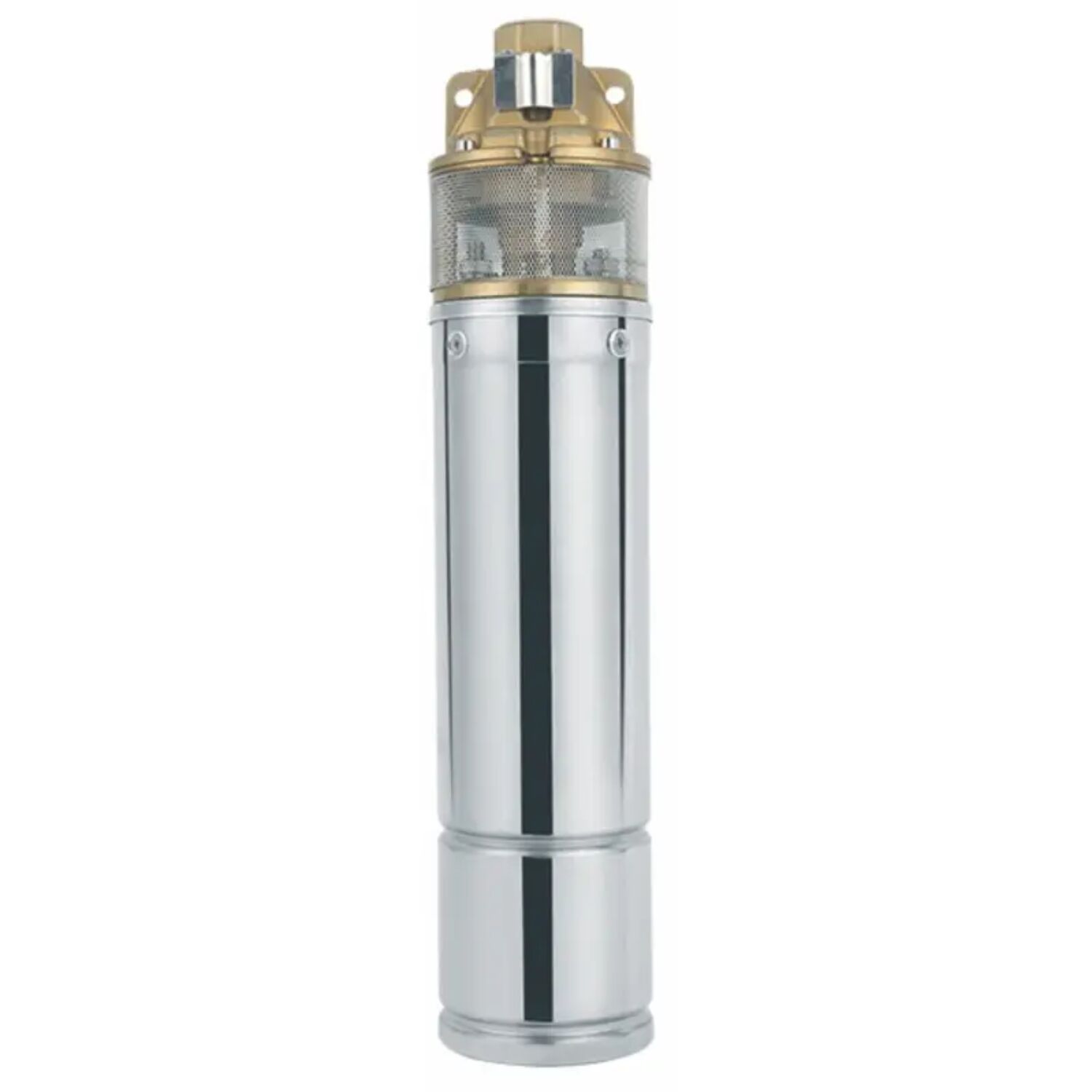
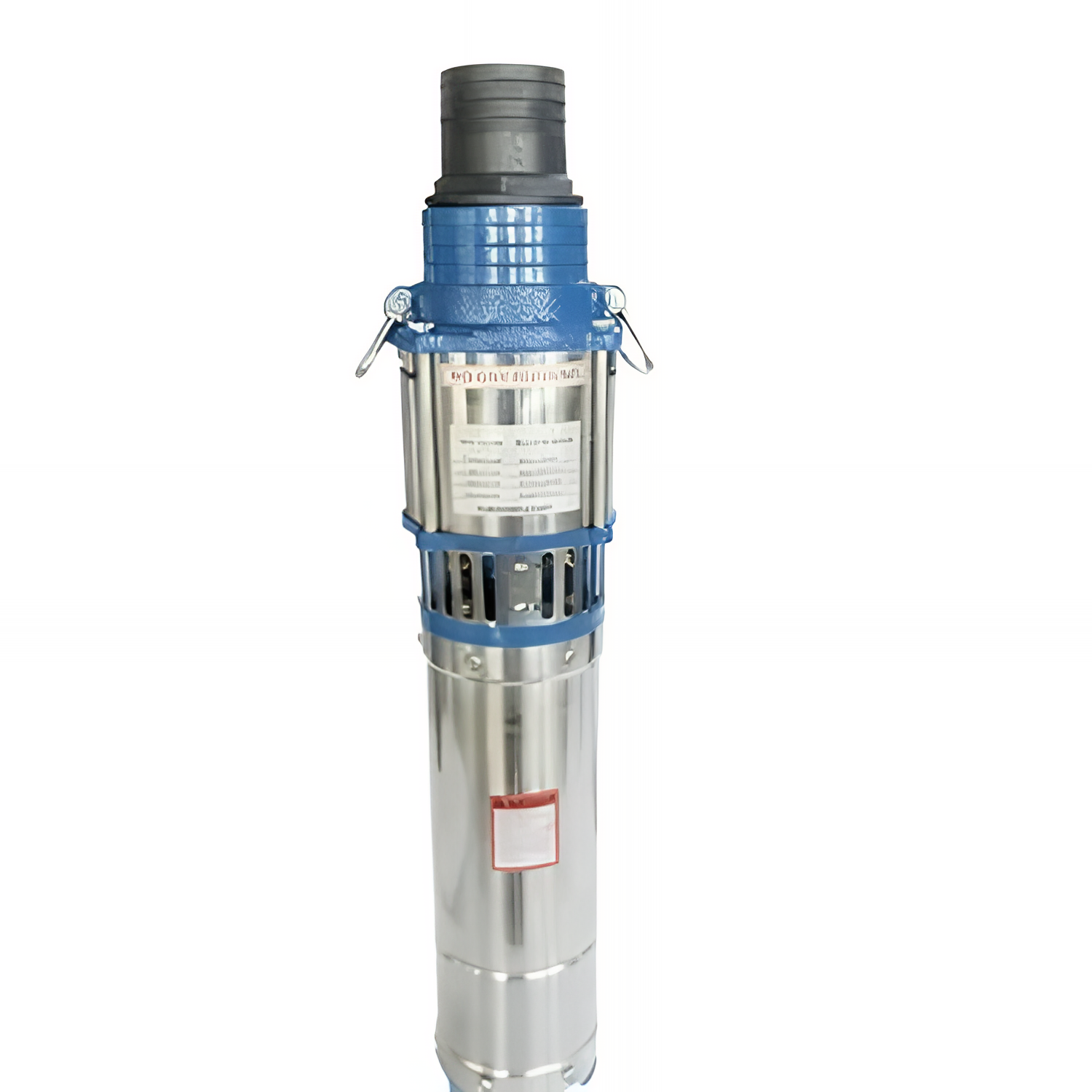
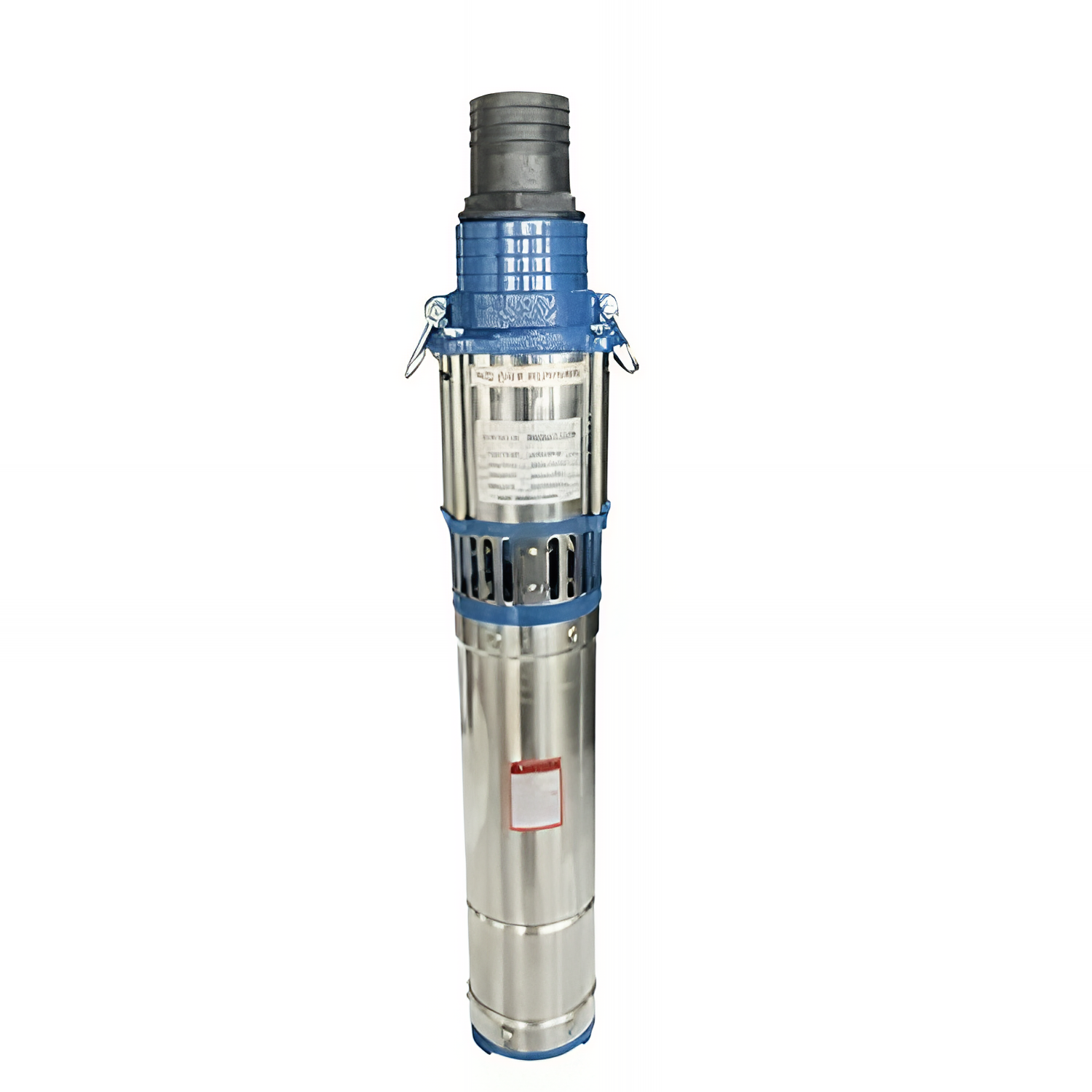
Superior Flow Consistency and Pressure Stability
Industrial screw pumps excel in delivering unmatched flow consistency that remains stable across varying operational conditions, making them the preferred choice for critical process applications. The unique helical rotor design creates continuous, non-pulsating flow characteristics that eliminate the pressure fluctuations commonly associated with reciprocating pumps and gear pumps. This smooth flow delivery proves essential in applications where process stability directly impacts product quality, such as chemical mixing operations, fuel injection systems, and precision coating processes. The consistent pressure output ensures that downstream equipment receives steady fluid supply, preventing damage to sensitive components like filters, heat exchangers, and control valves. Manufacturing facilities benefit from this stability through reduced product waste, as inconsistent flow rates can compromise batch quality and require costly rework procedures. The pressure stability of industrial screw pumps extends to their ability to maintain performance characteristics even when handling fluids with varying viscosities or temperatures, providing process engineers with reliable design parameters for system optimization. Flow metering accuracy improves significantly when using industrial screw pumps, as the consistent delivery eliminates the need for complex flow conditioning equipment and reduces calibration requirements. This reliability translates into better process control, enabling automated systems to operate with tighter tolerances and improved efficiency. The smooth operation characteristics reduce vibration transmission to connected piping systems, minimizing stress on pipe supports and reducing the likelihood of fatigue failures. Noise levels remain consistently low throughout the operational range, contributing to improved workplace environments and compliance with occupational safety regulations. The elimination of pressure pulses also reduces the need for pulsation dampeners and surge suppressors, simplifying system design and reducing initial capital costs. Process industries particularly value this consistency for maintaining product specifications, as flow variations can alter reaction rates, mixing patterns, and final product characteristics in ways that compromise quality standards.

 EN
EN