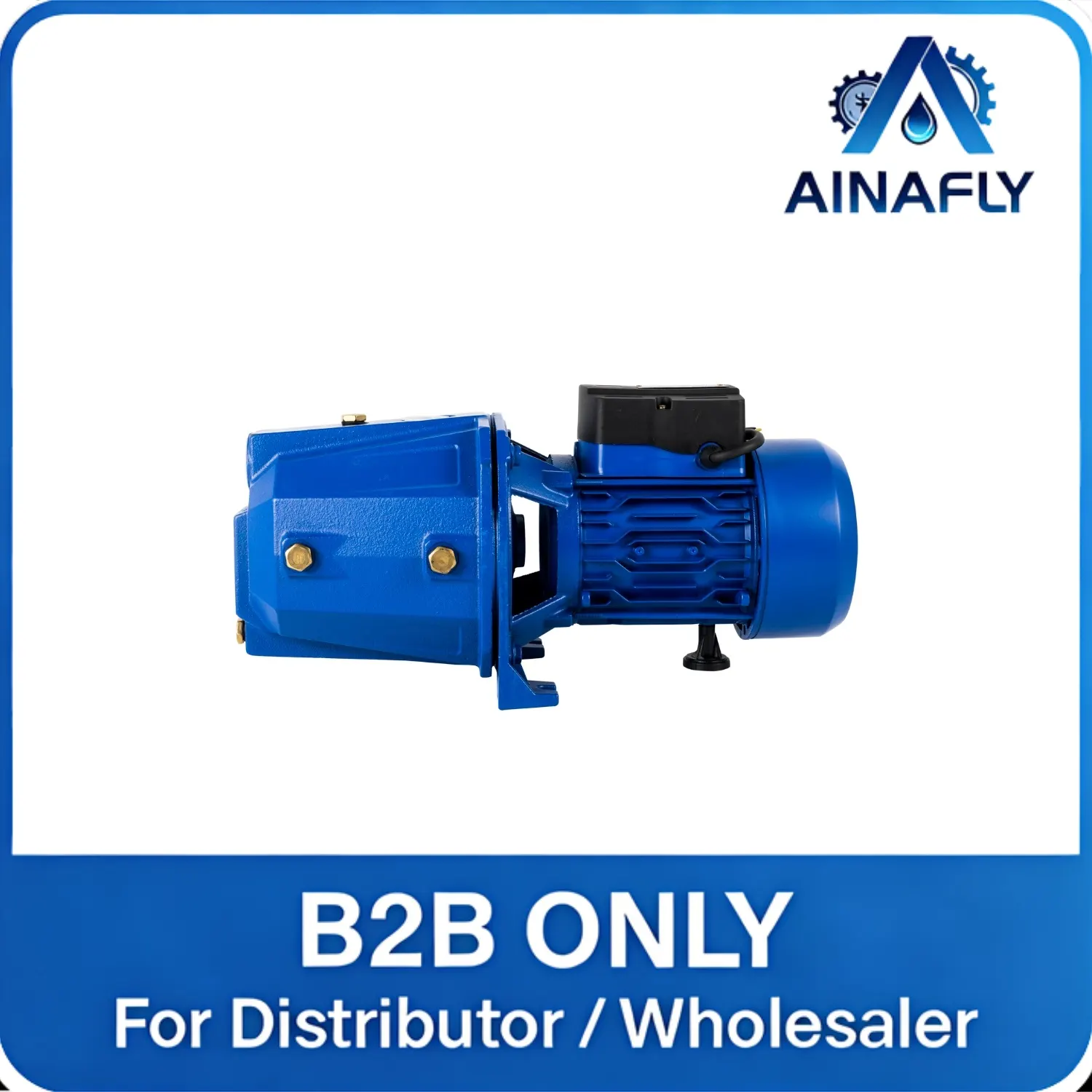
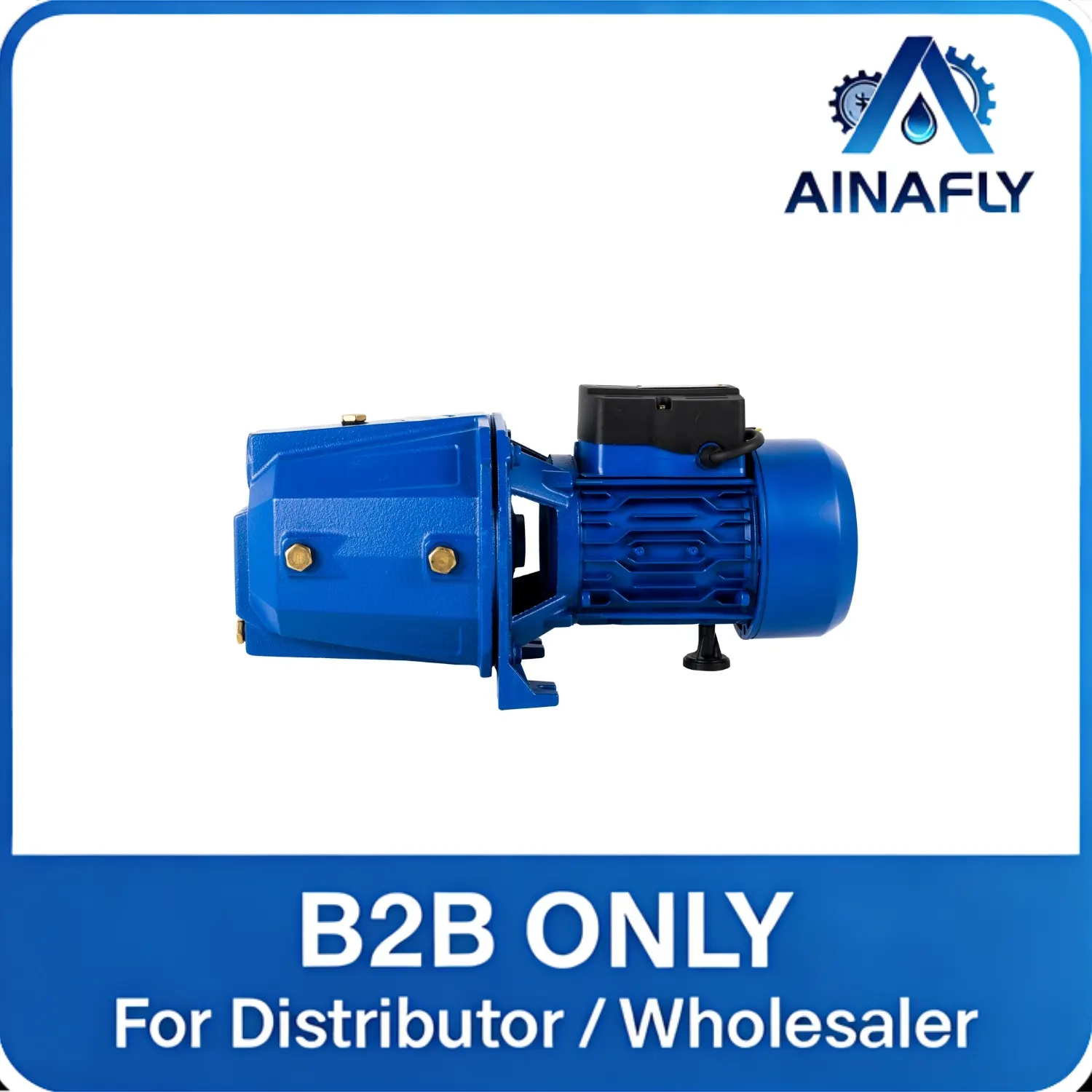
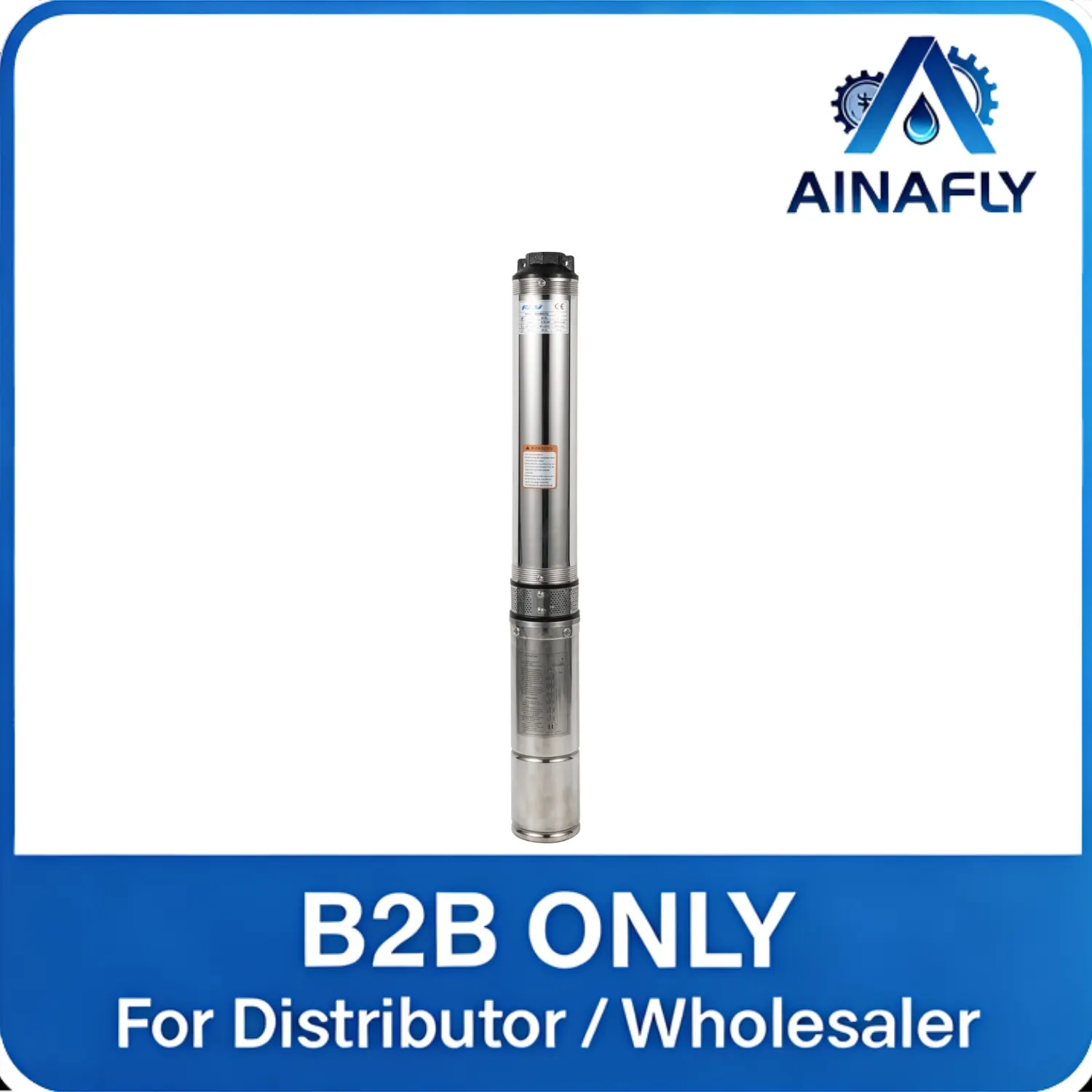
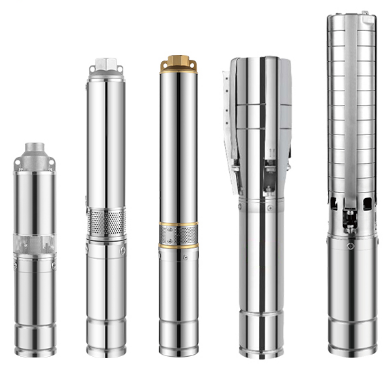
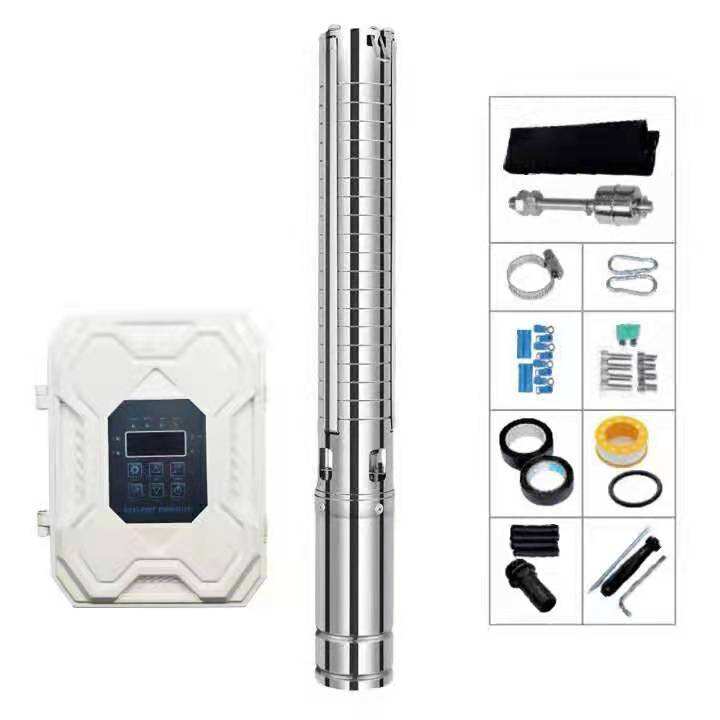
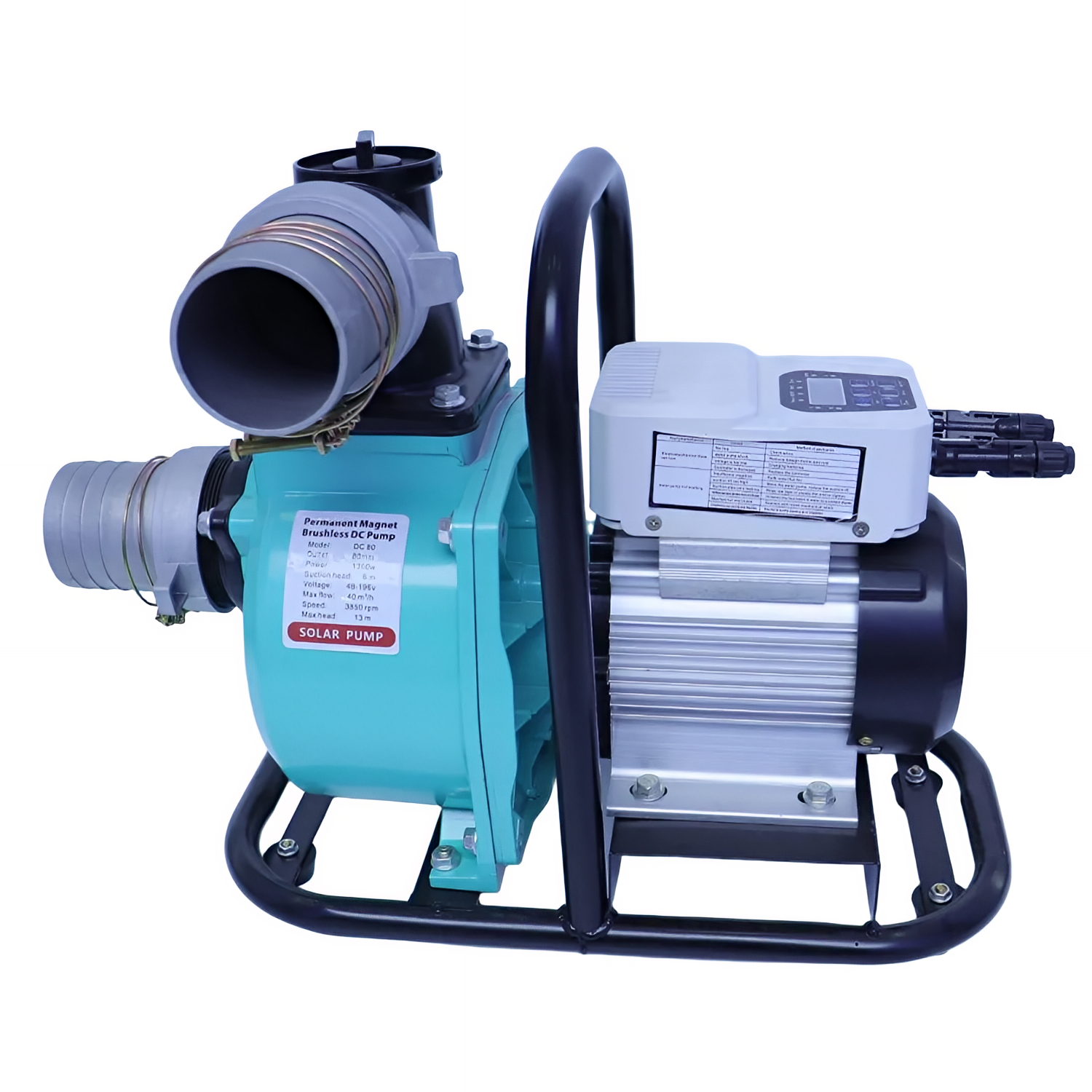
Solar Water Transfer Pump: Eco-Friendly, Cost-Effective Water Pumping Solutions

Get a Free Quote

Our representative will contact you soon.
Email
Name
Company Name
Message
0/1000

solar water transfer pump

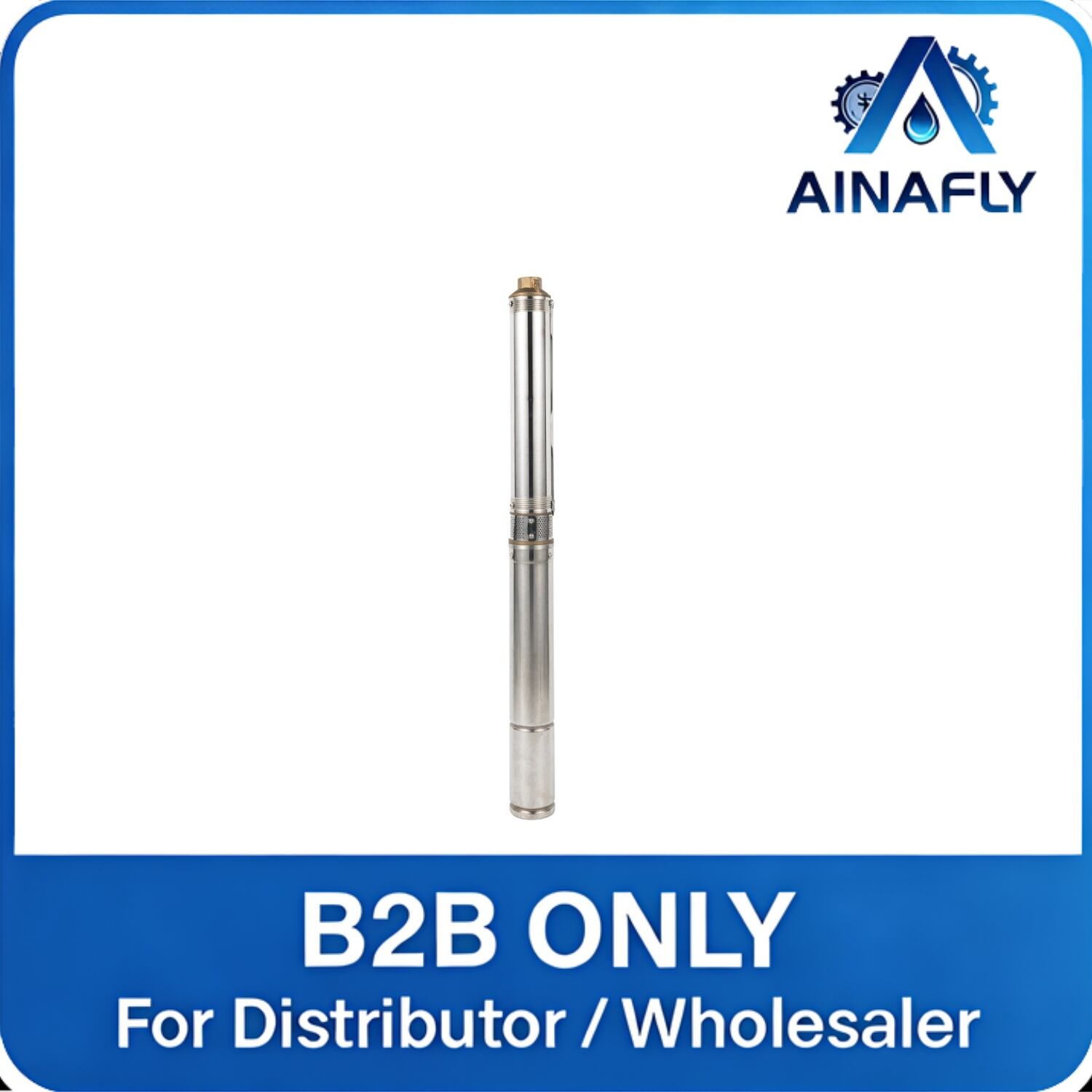
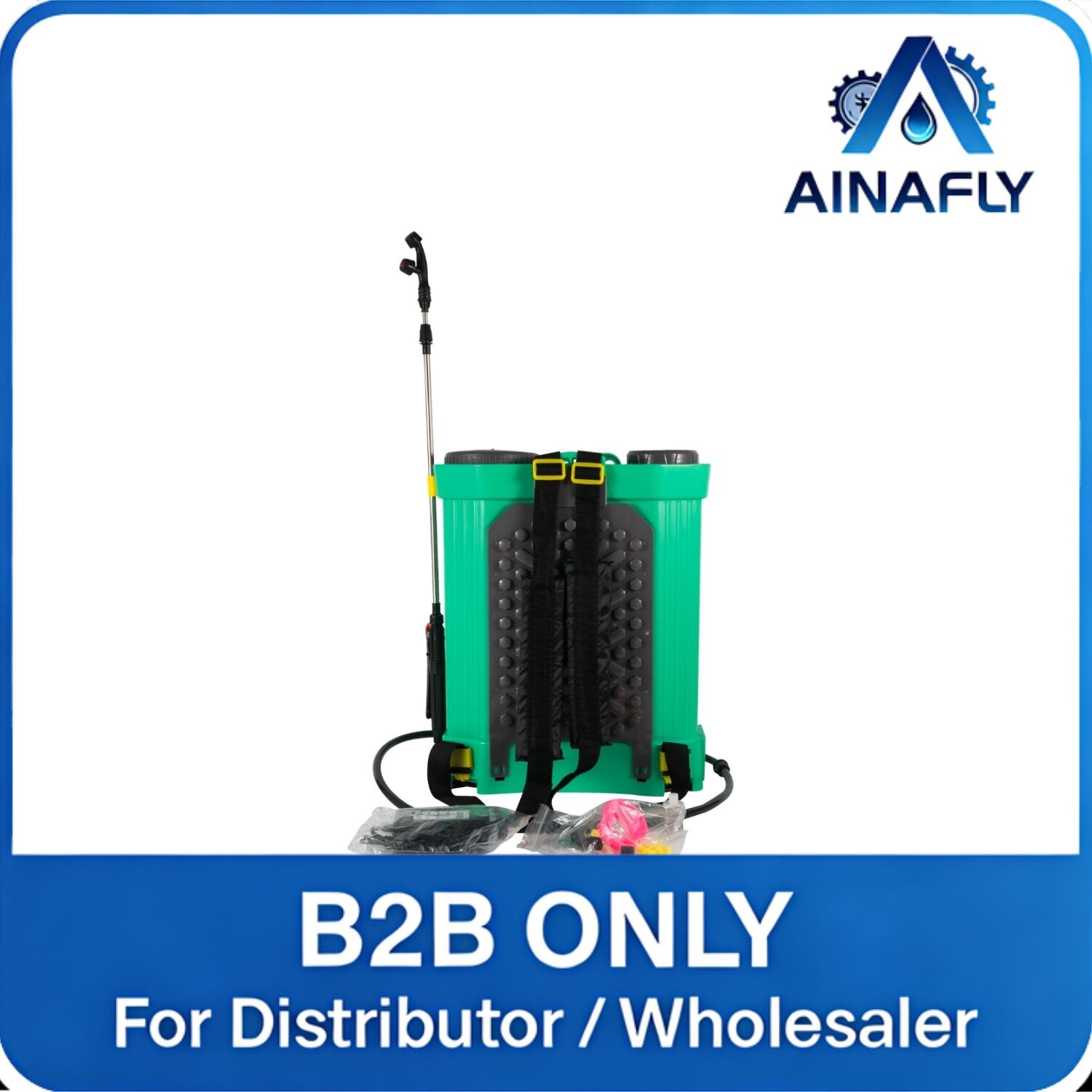
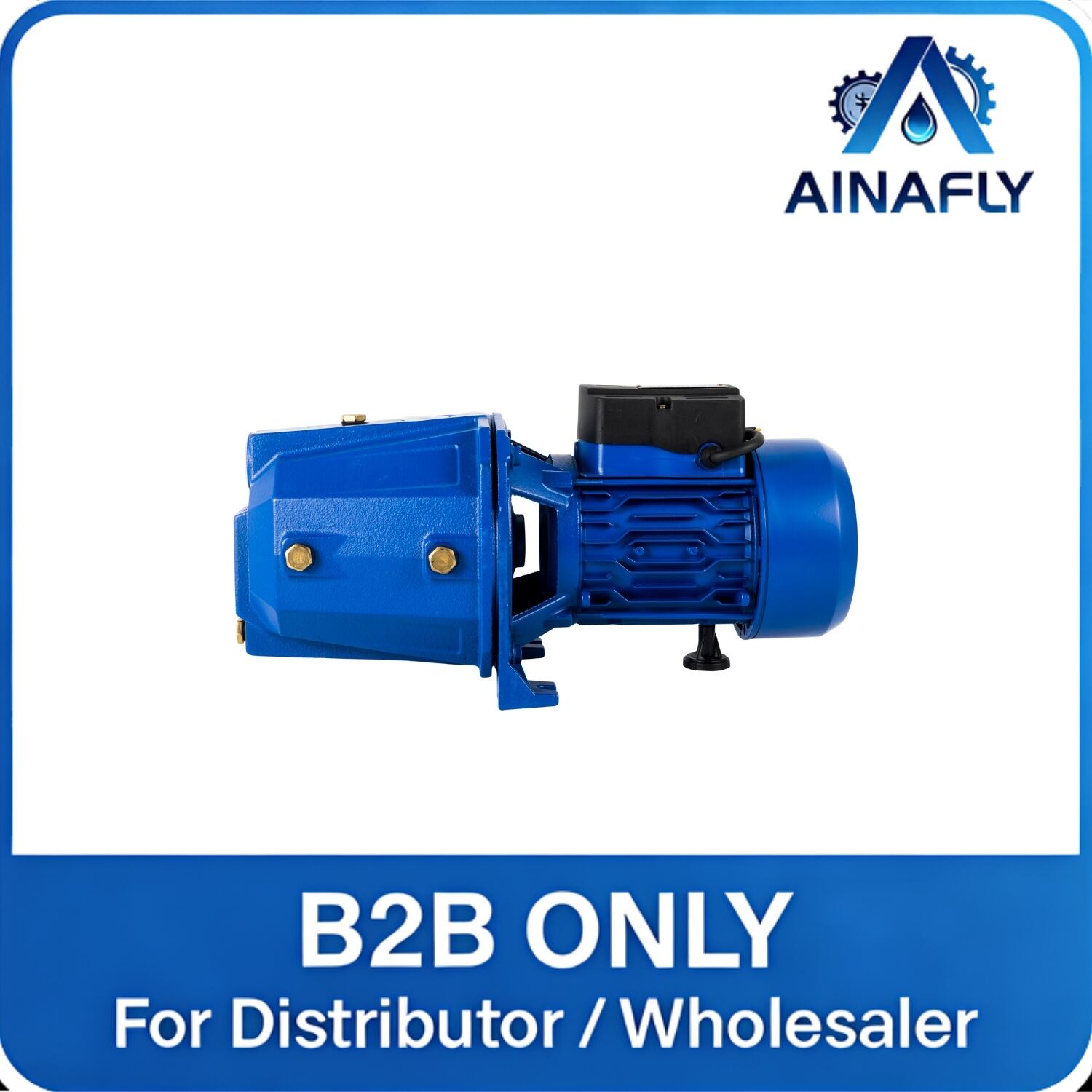
A solar water transfer pump represents an innovative solution that harnesses renewable solar energy to move water efficiently across various distances and elevations. This eco-friendly pumping system operates independently from traditional electrical grids, making it an ideal choice for remote locations, agricultural applications, and sustainable water management projects. The solar water transfer pump combines photovoltaic technology with advanced pump mechanics to deliver reliable water transportation while minimizing environmental impact and operational costs. The core functionality of a solar water transfer pump centers on converting sunlight into electrical energy through high-efficiency solar panels. These panels generate direct current electricity that powers the pump motor, which creates the necessary pressure and flow to move water from source to destination. Modern solar water transfer pump systems incorporate sophisticated controllers that optimize performance based on available sunlight, ensuring maximum efficiency throughout varying weather conditions. The technological features of these pumps include brushless DC motors that provide exceptional durability and reduced maintenance requirements compared to traditional AC motors. Many solar water transfer pump models feature variable speed controls that automatically adjust pumping rates based on solar panel output, preventing system overload during low-light conditions. Advanced models incorporate maximum power point tracking technology, which continuously monitors and adjusts the electrical load to extract optimal power from solar panels. Applications for solar water transfer pump systems span numerous sectors including agriculture, residential water supply, livestock watering, pond circulation, and irrigation projects. These versatile pumps excel in locations where electrical infrastructure is unavailable or prohibitively expensive to install. The solar water transfer pump proves particularly valuable for farmers seeking to reduce irrigation costs while maintaining consistent water delivery to crops and livestock throughout daylight hours.

Popular Products

The primary advantage of choosing a solar water transfer pump lies in its complete independence from electrical grid connections, eliminating monthly electricity bills and reducing long-term operational expenses significantly. This independence proves especially valuable in rural areas where grid electricity remains unreliable or unavailable, allowing property owners to maintain consistent water access regardless of power outages or infrastructure limitations. The solar water transfer pump operates silently, creating no noise pollution that might disturb livestock, wildlife, or residential environments, unlike diesel or gasoline-powered alternatives that generate considerable noise and vibration during operation. Environmental benefits represent another compelling advantage, as the solar water transfer pump produces zero emissions during operation, contributing to reduced carbon footprint and supporting sustainable practices. Unlike fossil fuel-powered pumps that release harmful pollutants into the atmosphere, solar-powered systems generate clean energy directly from sunlight, aligning with environmental conservation goals and regulatory requirements for green technology adoption. The durability and longevity of solar water transfer pump systems provide exceptional value over time, with many units operating effectively for decades with minimal maintenance requirements. Solar panels typically carry warranties exceeding twenty years, while pump components designed for solar applications demonstrate superior reliability compared to conventional electric pumps subjected to grid voltage fluctuations. Installation flexibility offers significant practical advantages, as solar water transfer pump systems require no trenching for electrical cables or complex wiring installations. This simplicity reduces installation costs and timeframes while providing flexibility to relocate pumping systems as needs change. The modular design of solar water transfer pump configurations allows users to expand capacity by adding additional solar panels or upgrading pump components without replacing entire systems. Cost-effectiveness becomes increasingly apparent over time, as the solar water transfer pump eliminates ongoing fuel costs, reduces maintenance expenses, and qualifies for various renewable energy incentives and tax credits in many regions. The predictable operating costs associated with solar water transfer pump systems enable accurate long-term budgeting, unlike fossil fuel alternatives subject to volatile pricing fluctuations.

Latest News

How Is a Land Pump Commonly Used for Irrigation and Drainage?

27

Jan

How Is a Land Pump Commonly Used for Irrigation and Drainage?

Agricultural operations and water management systems rely heavily on efficient pumping solutions to maintain optimal water levels and distribution across various terrains. A land pump serves as a critical component in modern farming and drainage appl...
View More
What Makes a Land Pump Suitable for Long-Term Outdoor Operation?

31

Jan

What Makes a Land Pump Suitable for Long-Term Outdoor Operation?

Selecting the right land pump for extended outdoor applications requires careful consideration of multiple factors that directly impact performance and longevity. A well-engineered land pump must withstand harsh environmental conditions while maintai...
View More
What Are the Benefits of Using a Deep Well Pump for Groundwater Supply?

25

Feb

What Are the Benefits of Using a Deep Well Pump for Groundwater Supply?

Accessing reliable groundwater sources has become increasingly critical for residential, agricultural, and commercial applications worldwide. A deep well pump represents one of the most effective solutions for extracting water from underground aquife...
View More
What Are the Main Applications of Submersible Pumps in Industry?

11

Mar

What Are the Main Applications of Submersible Pumps in Industry?

Industrial operations across multiple sectors rely heavily on efficient water management and fluid handling systems. Among the various pumping solutions available, the submersible pump stands out as one of the most versatile and reliable technologies...
View More

Get a Free Quote

Our representative will contact you soon.
Email
Name
Company Name
Message
0/1000

solar water transfer pump

Zero Operating Costs with Maximum Energy Independence

Zero Operating Costs with Maximum Energy Independence

The most transformative benefit of implementing a solar water transfer pump system centers on achieving complete energy independence while eliminating recurring operational expenses that typically burden traditional pumping solutions. Unlike conventional electric pumps that generate substantial monthly utility bills or fuel-powered alternatives requiring constant diesel or gasoline purchases, the solar water transfer pump harnesses free, abundant sunlight to operate indefinitely without additional energy costs. This financial advantage becomes increasingly significant over the system's lifespan, as utility rates continue rising while solar technology costs decline. Property owners investing in solar water transfer pump systems typically recover initial investments within three to five years through eliminated electricity bills, after which the system provides decades of cost-free operation. The energy independence provided by solar water transfer pump technology proves invaluable in remote locations where grid electricity remains unavailable or prohibitively expensive to install. Rural properties, agricultural operations, and off-grid installations benefit tremendously from this autonomy, as they can establish reliable water pumping capabilities without depending on external energy providers or infrastructure development. During power outages that affect grid-connected systems, the solar water transfer pump continues operating normally during daylight hours, ensuring uninterrupted water supply for critical applications such as livestock watering or emergency water reserves. This reliability becomes crucial for agricultural operations where consistent irrigation maintains crop health and productivity. Furthermore, the solar water transfer pump eliminates exposure to volatile fuel prices that can dramatically impact operating budgets for diesel or gasoline-powered alternatives. The predictable, zero-cost energy source allows for accurate long-term financial planning and budgeting, enabling property owners to allocate resources toward other essential improvements rather than ongoing pumping expenses. Modern solar water transfer pump systems incorporate battery storage options that extend operation into evening hours, maximizing system utility while maintaining cost-effectiveness.
Environmentally Sustainable Water Management Solution

Environmentally Sustainable Water Management Solution

Environmental responsibility drives increasing adoption of solar water transfer pump systems as property owners recognize the significant ecological benefits these technologies provide compared to conventional pumping alternatives. The solar water transfer pump operates as a completely clean energy solution, producing zero direct emissions during operation while contributing to reduced greenhouse gas emissions and environmental conservation efforts. This environmental advantage extends beyond immediate operational benefits, as solar water transfer pump systems help preserve air quality in rural and agricultural areas where diesel generators and fuel-powered pumps traditionally contribute to local pollution. The sustainable operation of solar water transfer pump technology supports biodiversity conservation by eliminating noise pollution that can disturb wildlife habitats and migration patterns. Unlike loud diesel engines or electric motors connected to generators, the solar water transfer pump operates virtually silently, maintaining natural soundscapes essential for wildlife communication and behavior. This quiet operation particularly benefits agricultural applications where livestock stress from mechanical noise can impact productivity and animal welfare. The manufacturing and installation of solar water transfer pump systems demonstrate lower lifetime carbon footprints compared to alternatives requiring ongoing fossil fuel consumption. While initial production of solar panels and pump components requires energy investment, this impact gets offset within the first few years of operation as the system displaces conventional energy sources. Over typical twenty-year operational lifespans, solar water transfer pump installations prevent thousands of pounds of carbon dioxide emissions that would otherwise result from grid electricity generation or direct fuel combustion. Water quality benefits emerge from solar water transfer pump applications, as these systems eliminate risks of fuel spills or lubricant contamination that threaten groundwater and surface water sources. Traditional fuel-powered pumps require regular refueling and maintenance that can introduce petroleum products into sensitive environmental areas, while solar water transfer pump systems operate cleanly without hazardous materials handling requirements. Additionally, the reliable operation of solar water transfer pump systems supports efficient water management practices that conserve precious water resources through consistent, controlled delivery rates optimized for specific applications.
Advanced Technology Integration for Optimal Performance

Advanced Technology Integration for Optimal Performance

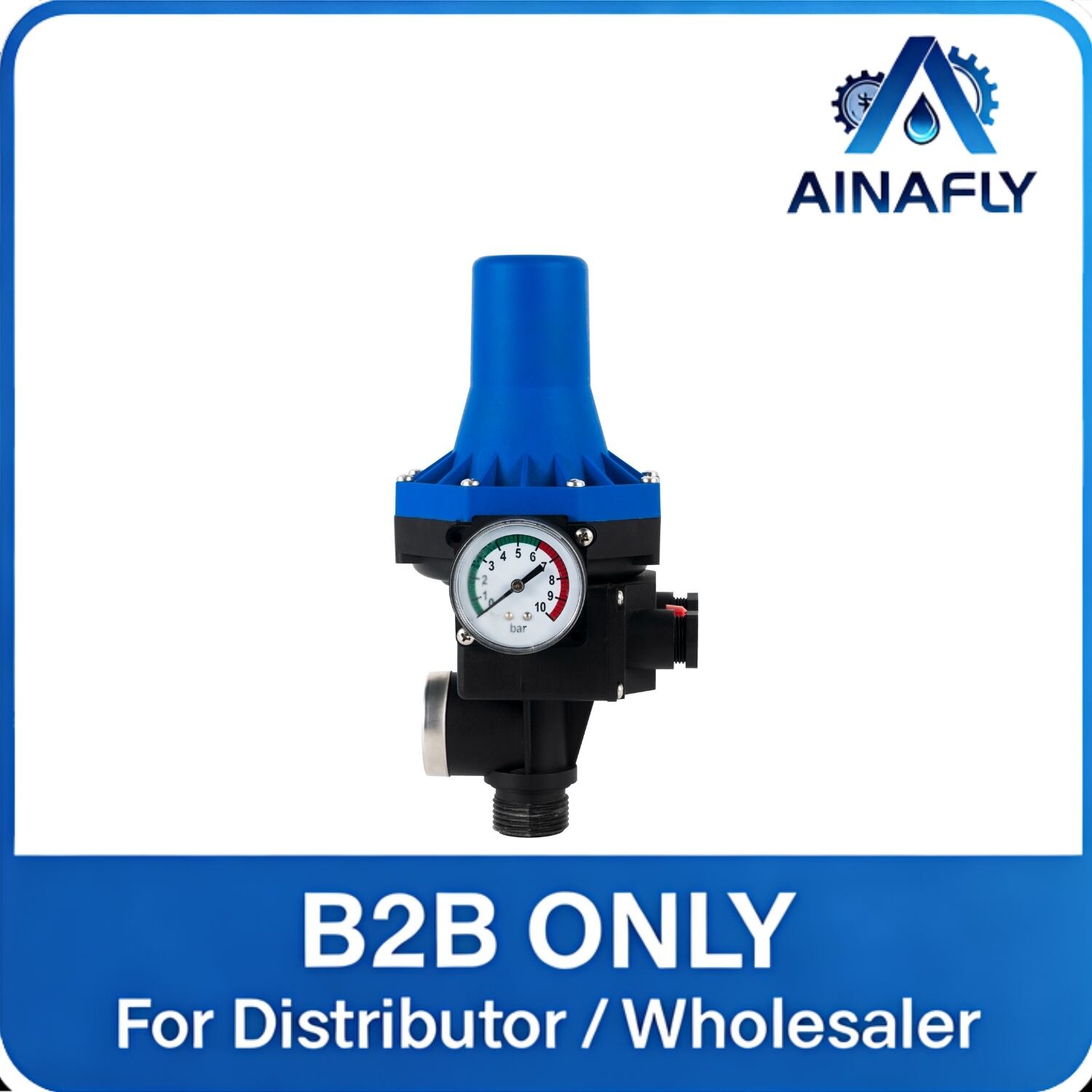
Modern solar water transfer pump systems incorporate sophisticated technological innovations that maximize efficiency, reliability, and user convenience while adapting to diverse environmental conditions and application requirements. The integration of maximum power point tracking controllers represents a significant technological advancement, enabling the solar water transfer pump to extract optimal energy from solar panels throughout varying sunlight conditions. This intelligent technology continuously monitors solar panel output and automatically adjusts electrical loads to maintain peak efficiency, ensuring the solar water transfer pump delivers consistent performance from dawn to dusk regardless of cloud cover or seasonal solar angle variations. Variable frequency drive technology enhances solar water transfer pump performance by automatically modulating pump speed based on available solar energy, preventing motor damage during low-light conditions while maximizing water delivery when abundant sunlight is available. This sophisticated control system eliminates the need for manual adjustments and protects system components from electrical stress that could compromise longevity. Advanced solar water transfer pump models feature remote monitoring capabilities that allow users to track system performance, water flow rates, and maintenance requirements through smartphone applications or web-based interfaces. These monitoring systems provide real-time data on solar panel energy production, pump operating status, and cumulative water delivery volumes, enabling proactive maintenance scheduling and performance optimization. The technological sophistication extends to weather-resistant construction designed specifically for outdoor solar water transfer pump installations. Premium systems incorporate IP65 or higher protection ratings, ensuring reliable operation in extreme weather conditions including heavy rain, snow, dust storms, and temperature fluctuations. Corrosion-resistant materials and sealed electrical connections prevent moisture infiltration that could compromise system reliability or safety. Smart system diagnostics built into advanced solar water transfer pump controllers automatically detect potential issues such as pump cavitation, solar panel degradation, or electrical connection problems, alerting users to maintenance needs before costly failures occur. These predictive maintenance capabilities minimize downtime and extend system lifespan while reducing long-term maintenance costs. Furthermore, modular design principles allow solar water transfer pump systems to accommodate future capacity expansions or technology upgrades without requiring complete system replacement, protecting initial investments while adapting to changing requirements over time.


Get a Free Quote

Our representative will contact you soon.
Email
Name
Company Name
Message
0/1000

Copyright © 2026 Zhejiang Aina Pump Co., Ltd. Beijing All rights reserved.  -  Privacy policy