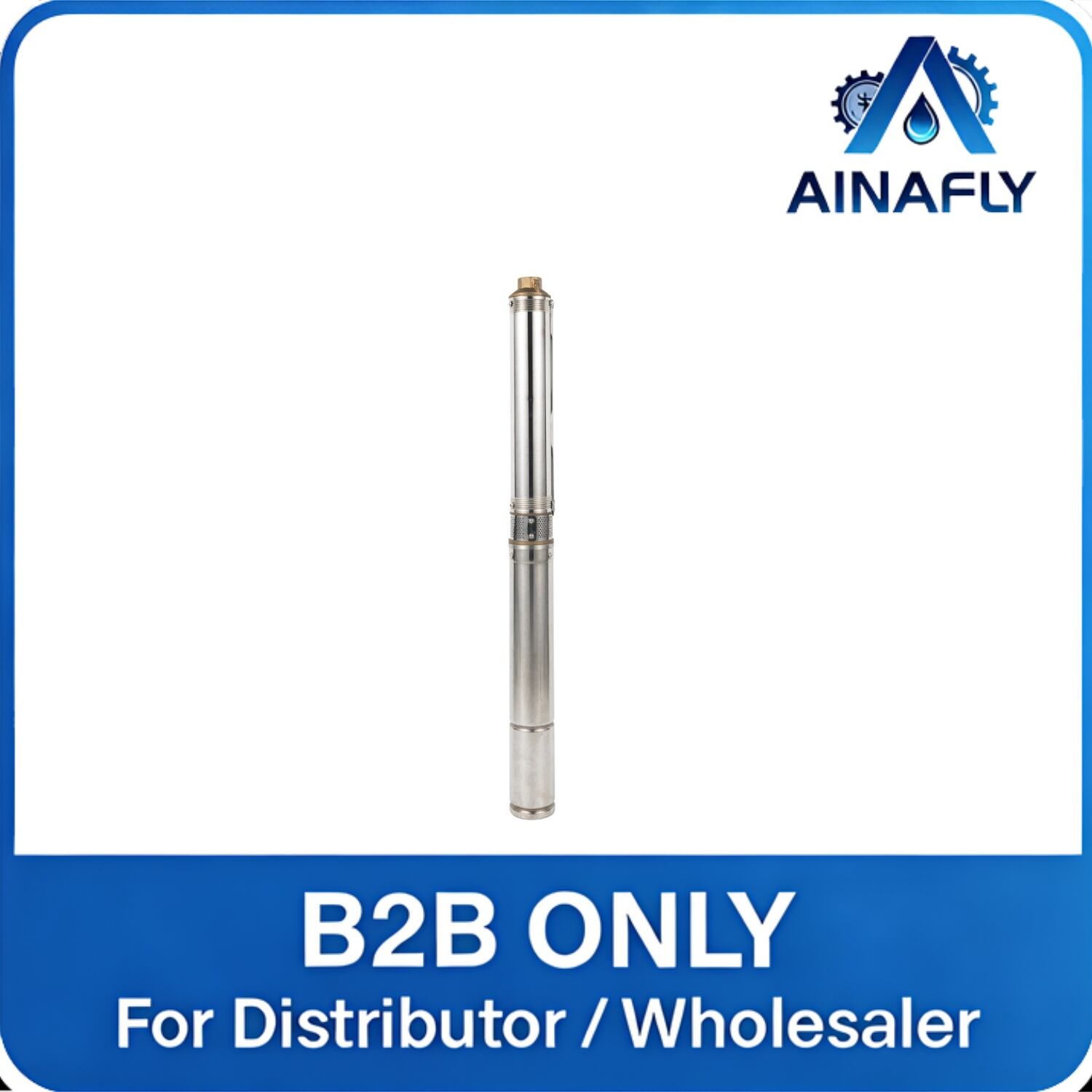
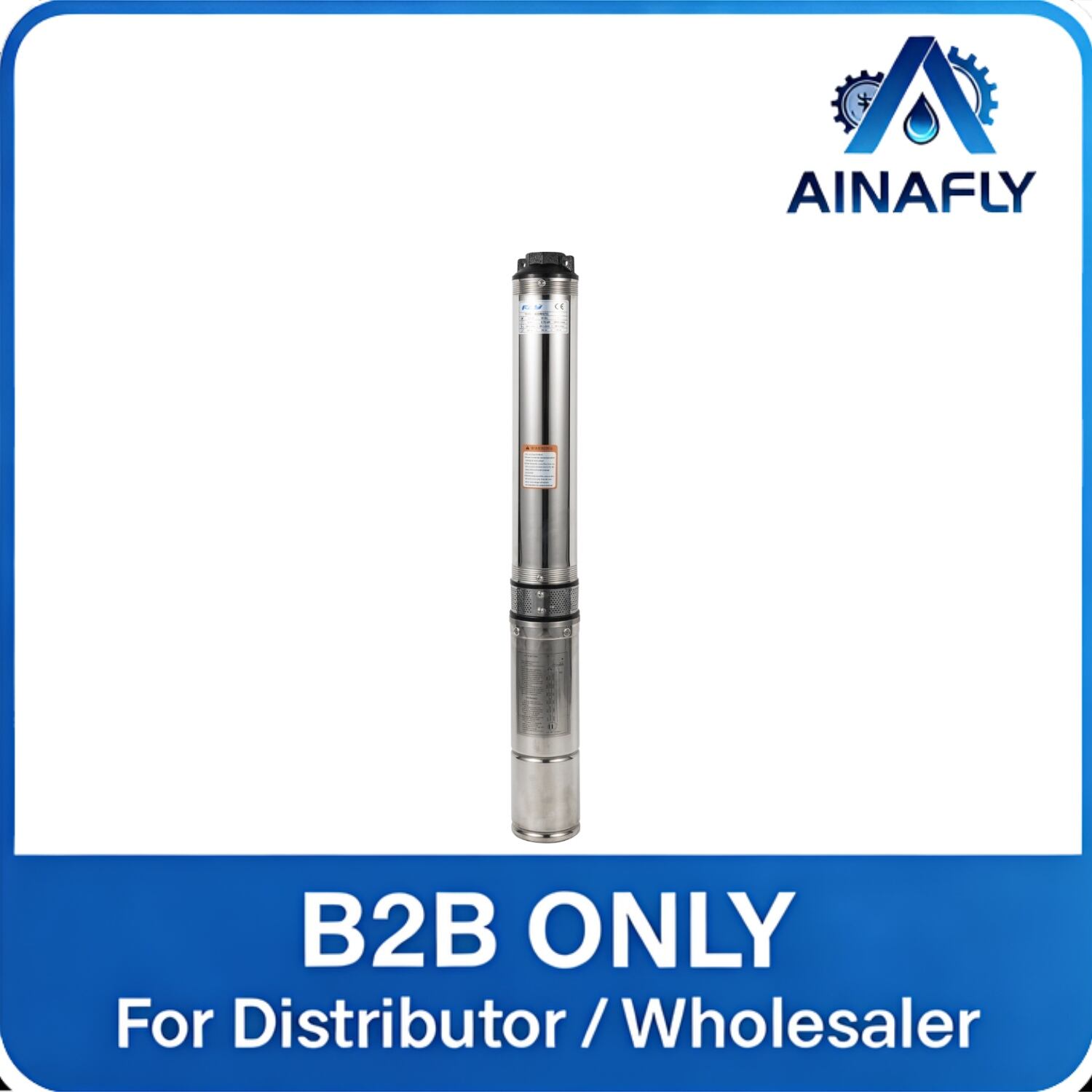
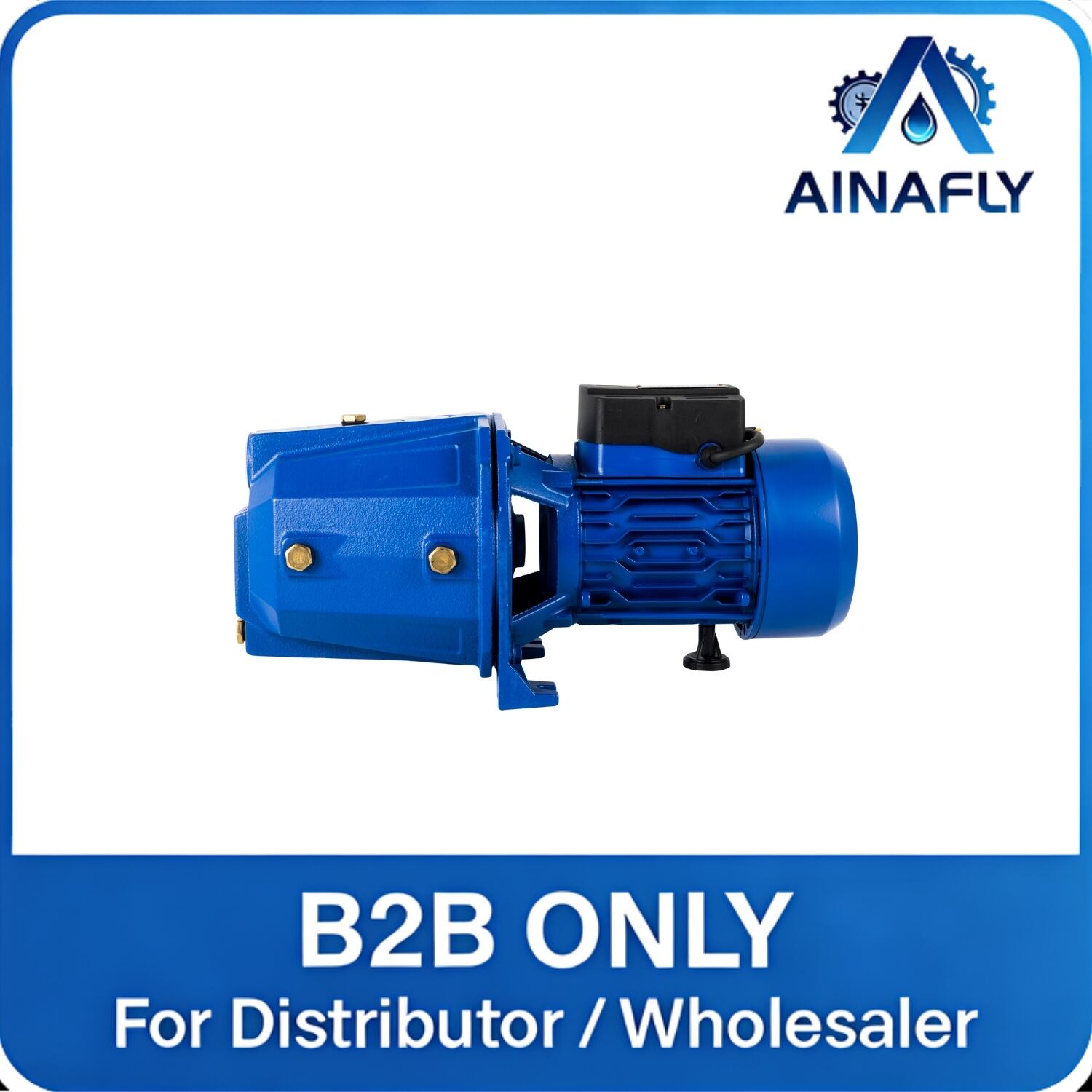
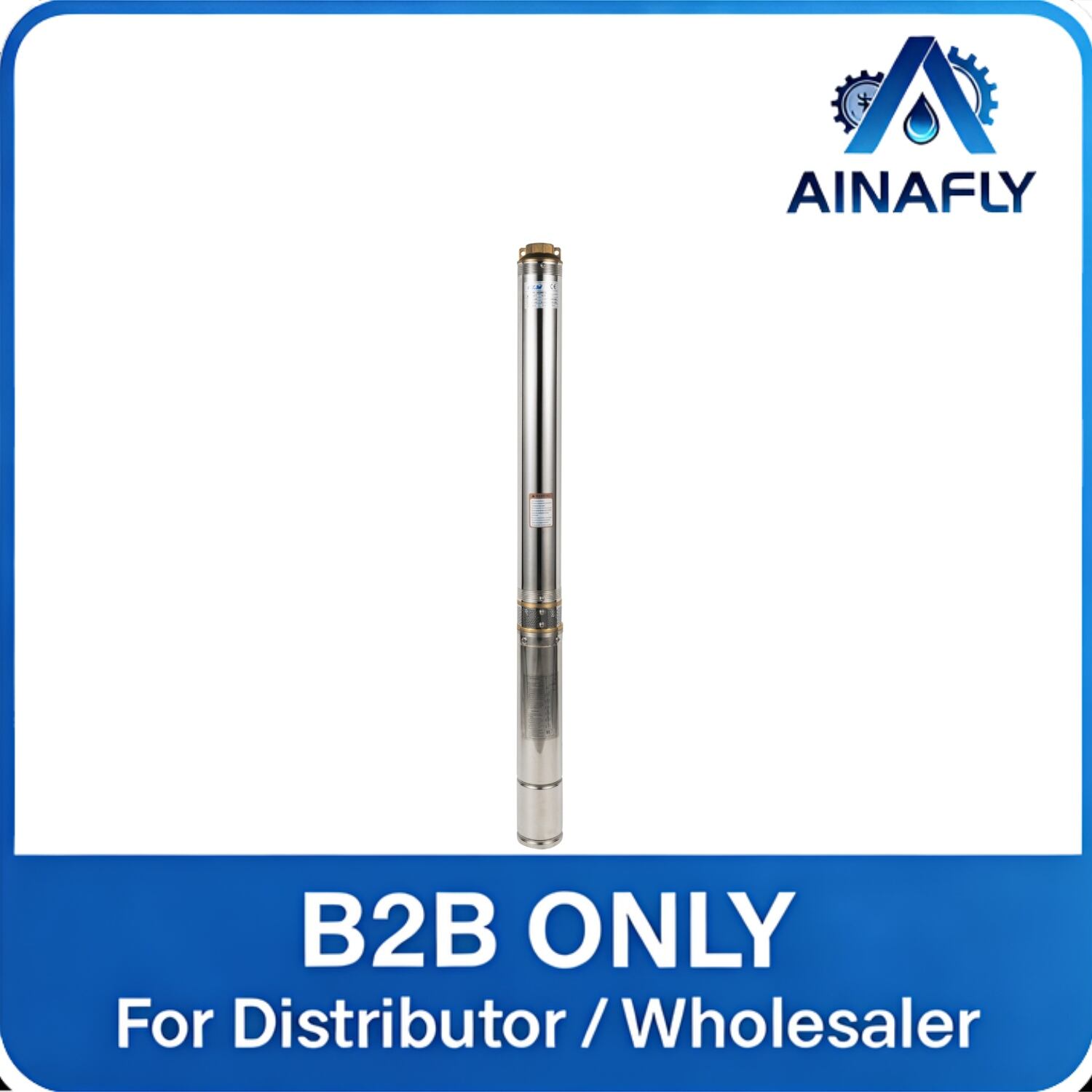
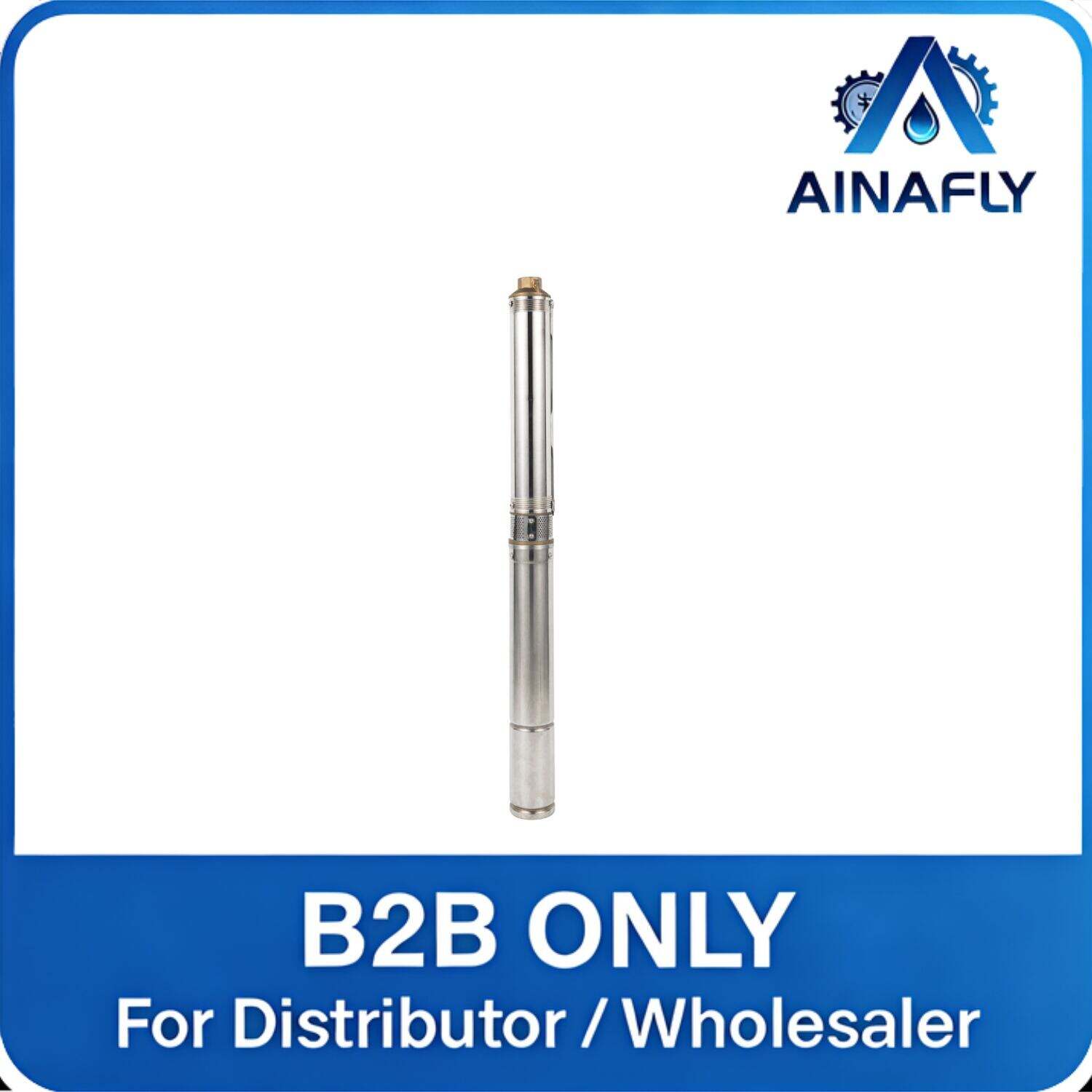
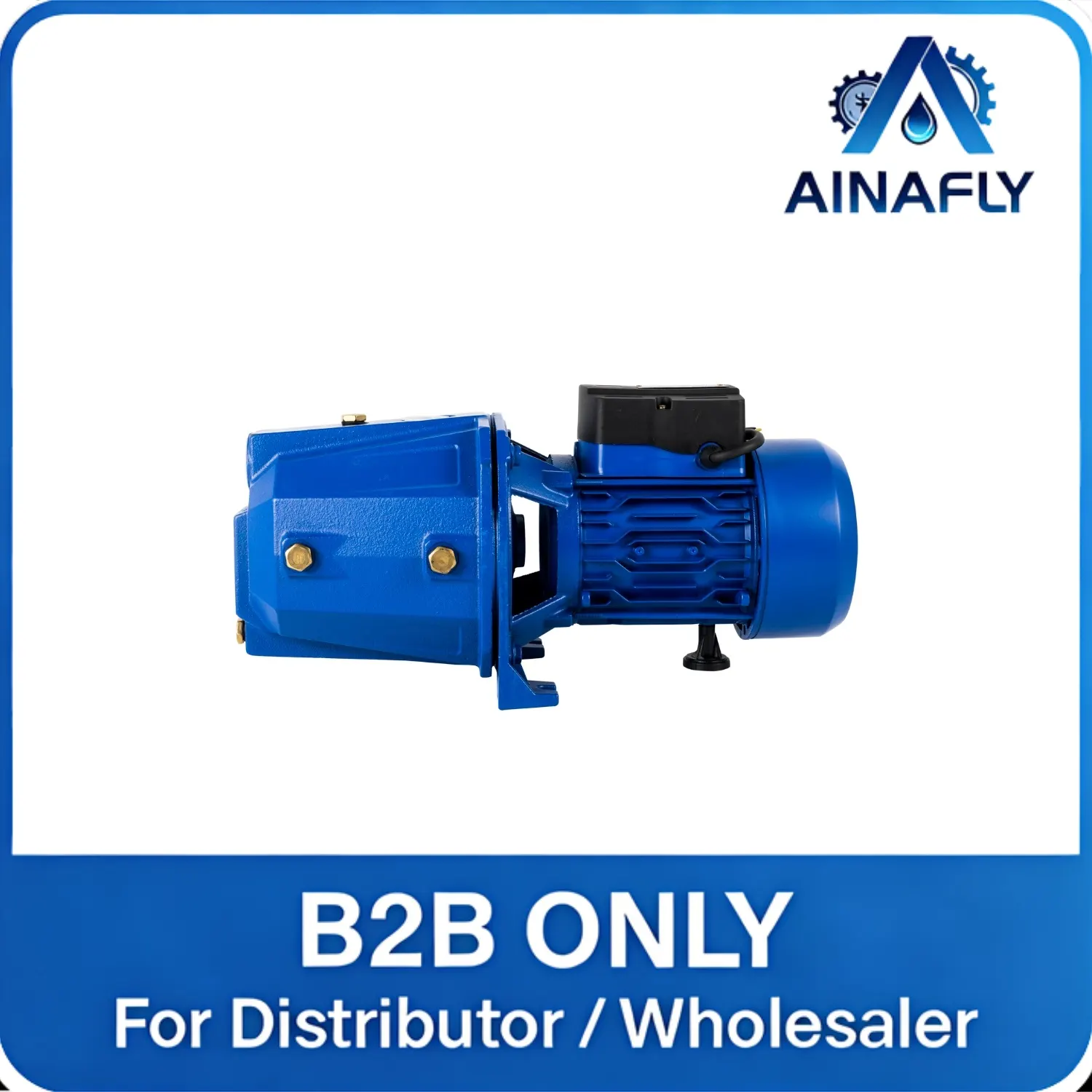
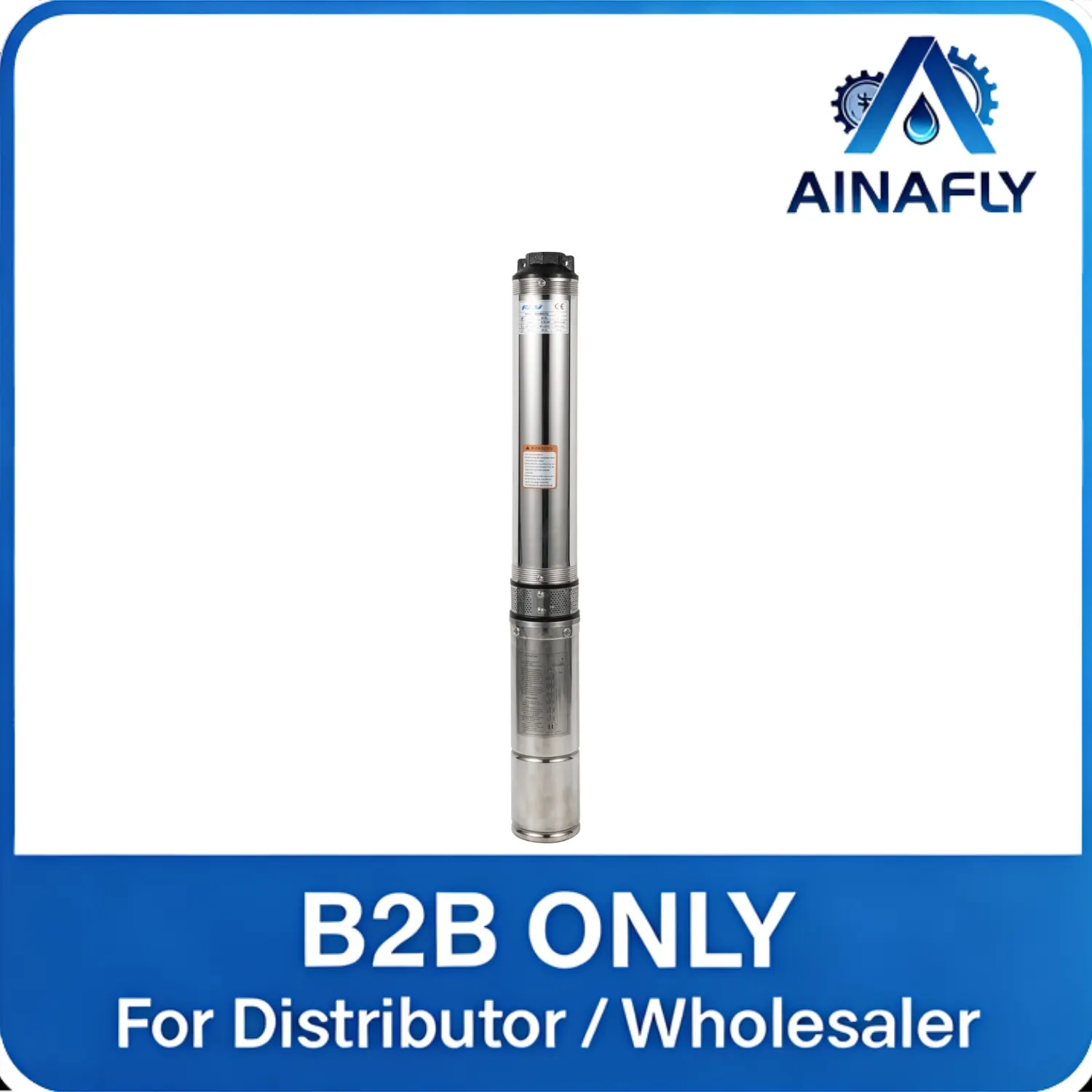
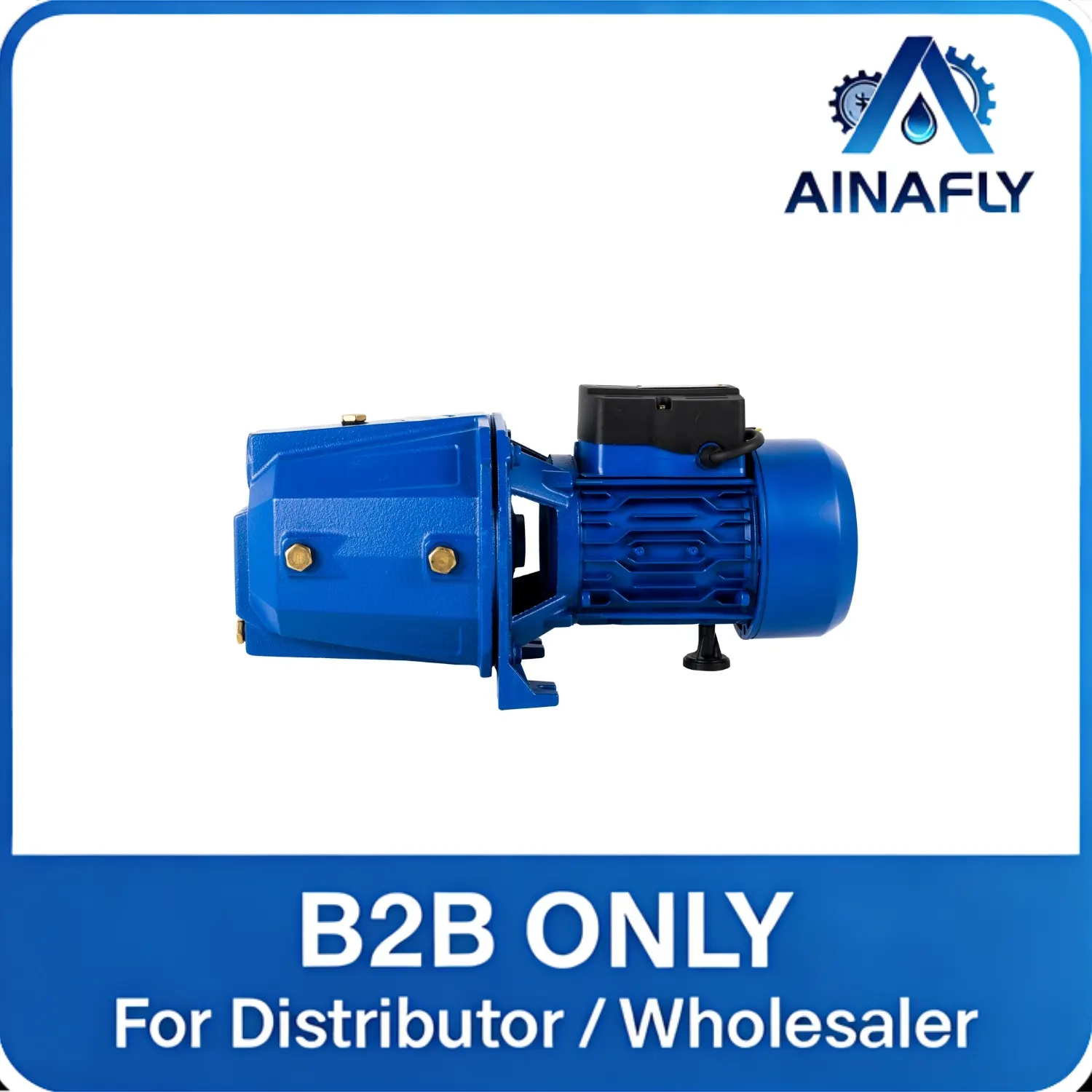
Professional Submersible Septic Pumps: Efficient Wastewater Management Solutions

Get a Free Quote

Our representative will contact you soon.
Email
Name
Company Name
Message
0/1000

submersible septic pump

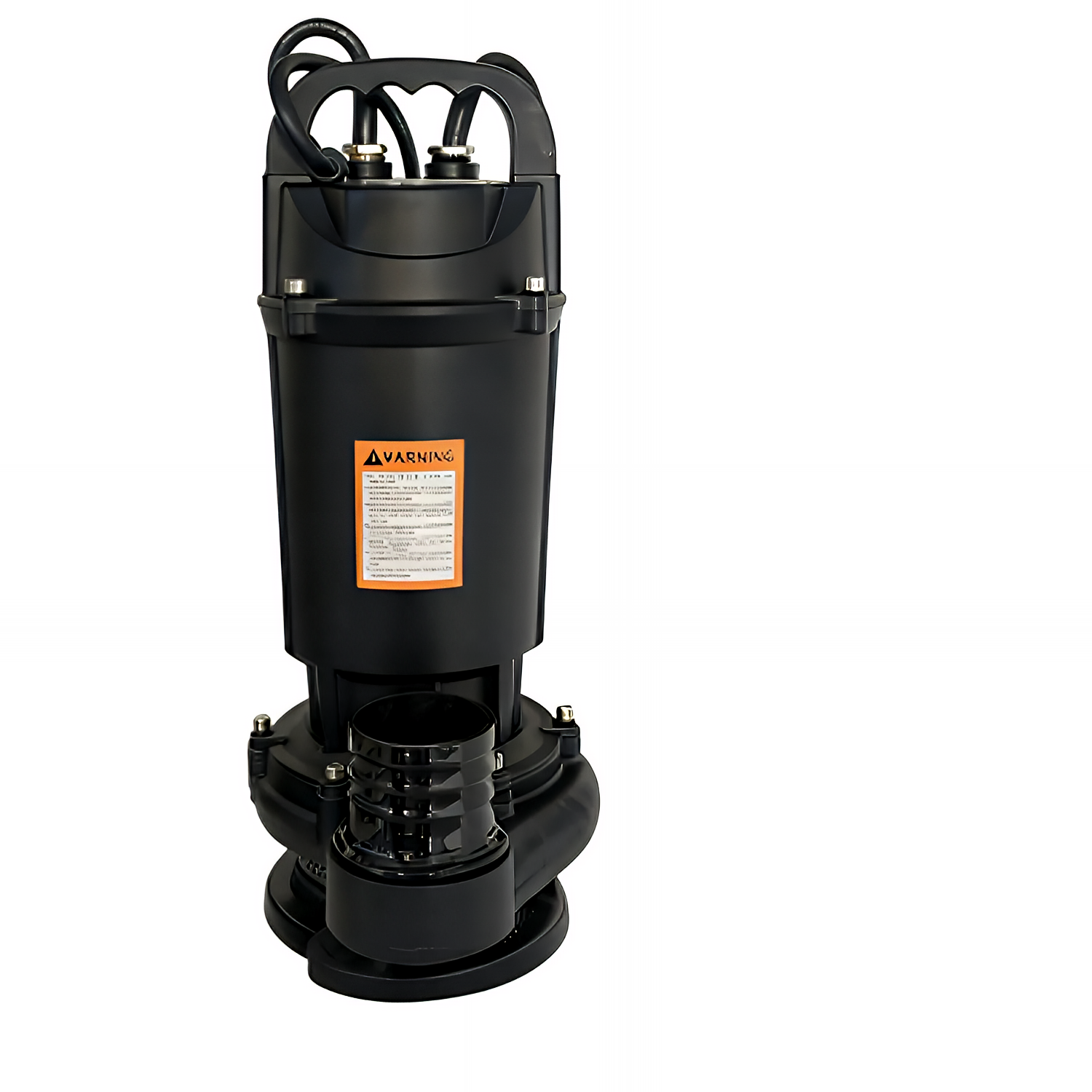
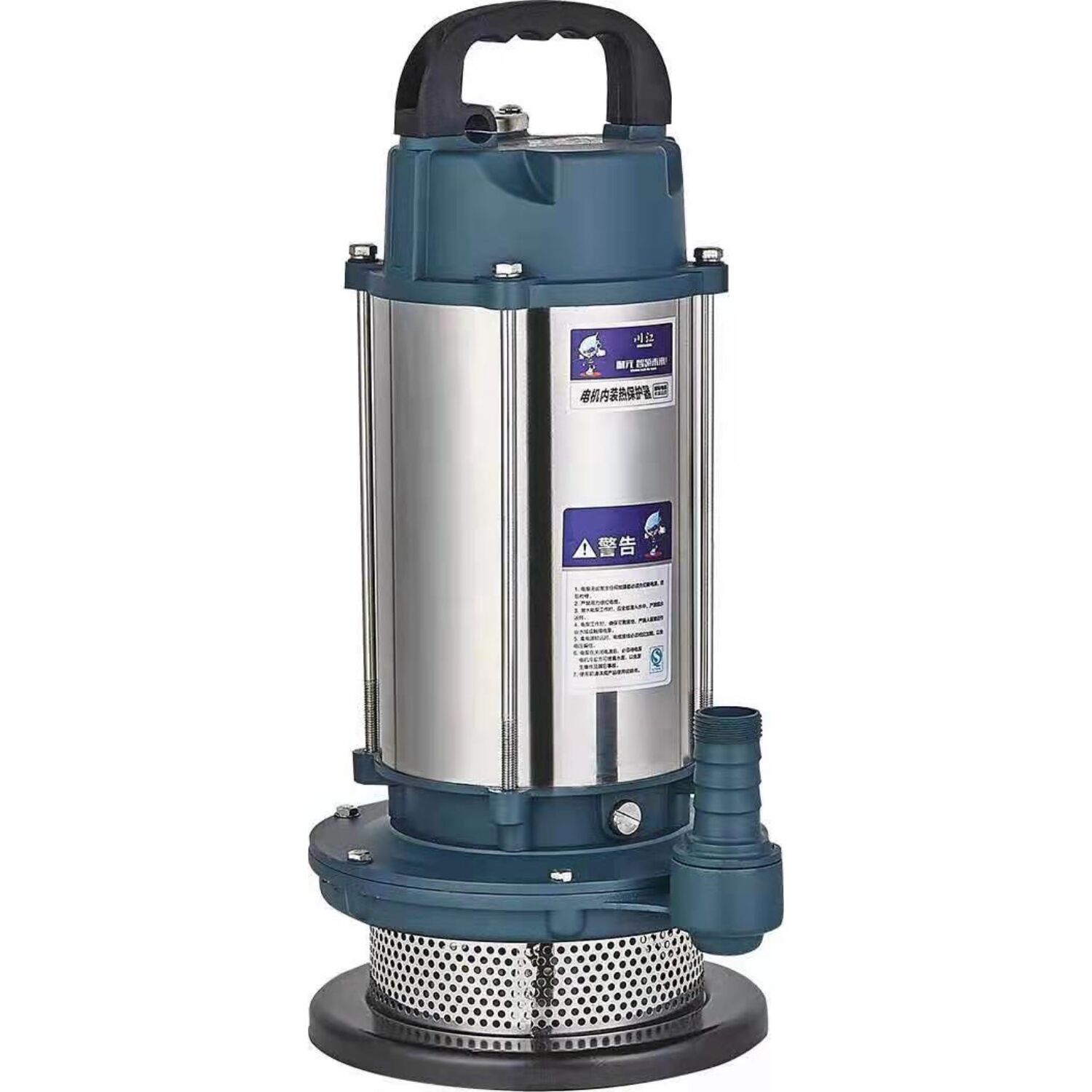
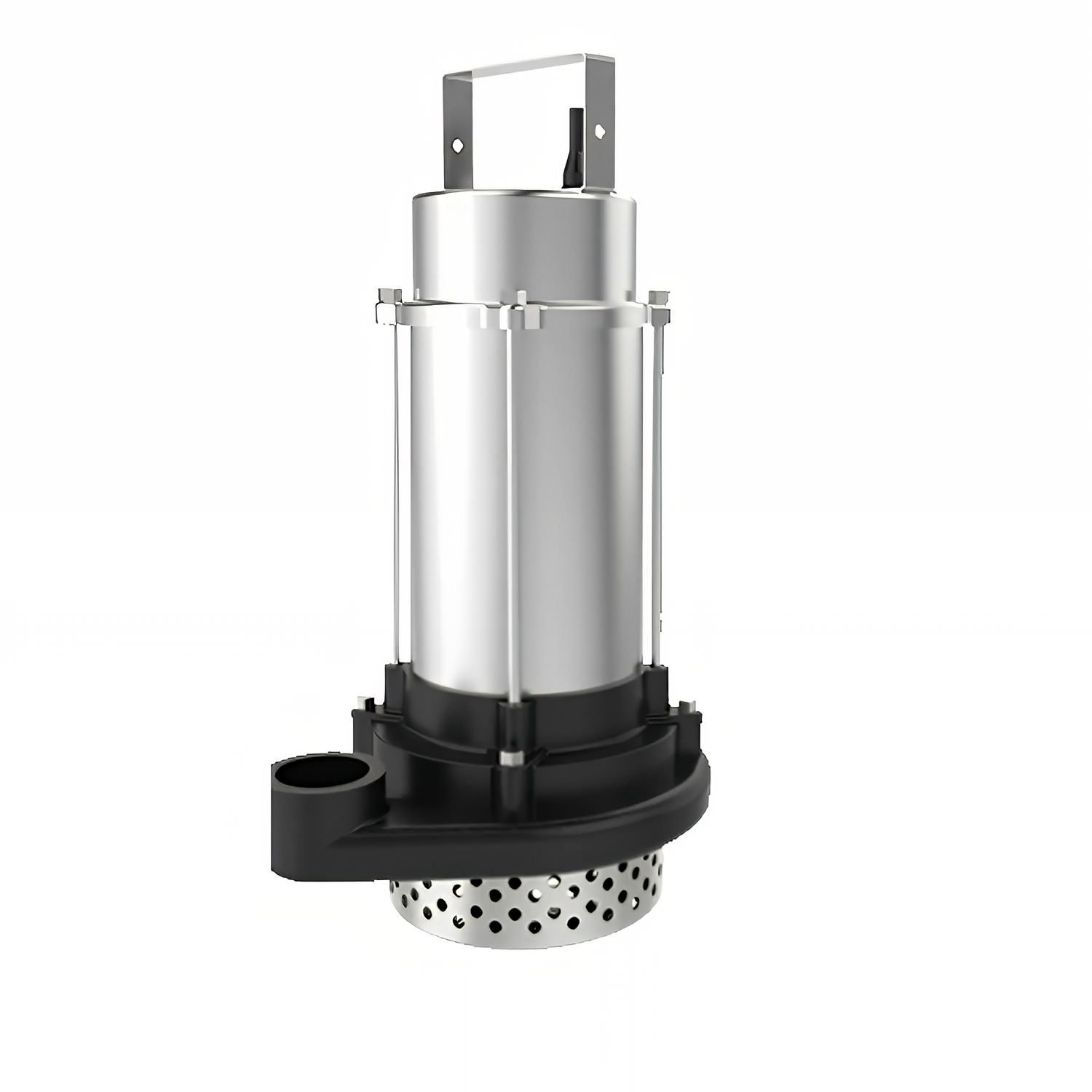
A submersible septic pump represents a critical component in modern wastewater management systems, designed to efficiently handle the transfer of sewage and effluent from septic tanks to drainage fields or treatment facilities. This specialized pumping equipment operates while completely submerged in liquid, distinguishing it from conventional surface-mounted pumps through its waterproof construction and enhanced durability. The submersible septic pump features a hermetically sealed motor housing that prevents water infiltration, ensuring reliable operation in harsh underground environments. These pumps utilize centrifugal or positive displacement mechanisms to move wastewater containing solids, grease, and other organic matter through pressurized pipe systems. The technological foundation of a submersible septic pump includes corrosion-resistant materials such as stainless steel or cast iron housings, robust impeller designs capable of handling debris, and advanced motor protection systems that prevent overheating and electrical damage. Modern units incorporate variable speed controls, allowing operators to adjust flow rates based on demand while optimizing energy consumption. The pump's intake system typically features a protective screen or grinder mechanism that processes larger solids before they enter the pumping chamber, reducing the risk of clogs and mechanical failures. Installation flexibility makes the submersible septic pump suitable for various applications, including residential septic systems, commercial wastewater facilities, municipal sewage stations, and industrial effluent management. The pump's compact design enables installation in confined spaces such as septic tank chambers, wet wells, and underground pump stations. Advanced models feature telemetry capabilities, providing remote monitoring and diagnostic functions that alert operators to maintenance needs or operational irregularities. The submersible septic pump's ability to operate automatically through float switches or pressure sensors ensures continuous wastewater management without constant human intervention, making it an essential component for properties lacking gravity-fed drainage systems or requiring effluent transport over long distances or elevated terrain.


New Product Releases

The submersible septic pump offers numerous practical advantages that make it the preferred choice for wastewater management applications across residential, commercial, and industrial sectors. Primary among these benefits is the pump's exceptional reliability in continuous operation environments. Unlike surface-mounted alternatives, the submersible septic pump operates silently underwater, eliminating noise pollution concerns that often plague above-ground installations. This quiet operation proves particularly valuable in residential areas where noise ordinances restrict loud mechanical equipment. The pump's submerged position also provides natural cooling through direct contact with the surrounding liquid, preventing overheating issues that commonly affect air-cooled surface pumps during extended operation periods. Installation simplicity represents another significant advantage of the submersible septic pump system. Property owners can install these units without constructing expensive pump houses or protective enclosures, reducing initial capital costs and ongoing maintenance expenses. The compact design allows installation in existing septic tanks or small excavated sumps, minimizing landscape disruption and construction requirements. Maintenance accessibility improves dramatically with submersible septic pump installations, as technicians can quickly remove and service units without dismantling complex piping systems or pump house structures. The pump's self-priming capability eliminates startup complications associated with surface pumps, ensuring immediate operation after power restoration or routine maintenance procedures. Energy efficiency stands as a crucial advantage, particularly for properties operating pumps frequently throughout the day. The submersible septic pump's direct drive configuration reduces energy losses associated with long shaft drives or belt systems, translating to lower electricity bills and reduced environmental impact. Advanced motor technologies incorporated in modern submersible septic pump designs optimize power consumption while maintaining superior pumping performance. Durability advantages stem from the pump's protected environment, where submerged components avoid weather-related deterioration, UV damage, and temperature fluctuations that degrade surface-mounted equipment. The hermetically sealed construction prevents moisture infiltration that causes electrical failures in conventional pump motors. Operational flexibility allows the submersible septic pump to handle varying liquid levels automatically, adapting to seasonal changes in wastewater generation without manual intervention. This adaptability proves essential for vacation properties, commercial facilities with fluctuating occupancy, or industrial applications with variable discharge volumes. Safety benefits include reduced electrical hazards, as properly installed submersible septic pump systems eliminate exposed electrical connections and rotating components that pose risks to maintenance personnel and property occupants.

Tips And Tricks

What Are the Key Advantages of Using a Jet Pump for Residential Supply?

02

Jan

What Are the Key Advantages of Using a Jet Pump for Residential Supply?

Modern residential water systems require reliable pumping solutions that deliver consistent performance while maintaining cost efficiency. A jet pump represents one of the most versatile and dependable options available for homeowners seeking to esta...
View More
What Maintenance Practices Help Extend the Life of a Jet Pump?

12

Jan

What Maintenance Practices Help Extend the Life of a Jet Pump?

Proper maintenance is the cornerstone of maximizing the operational lifespan of any industrial pumping system. When it comes to jet pump systems, implementing strategic maintenance practices can significantly extend equipment life, reduce operational...
View More
How Does a Surface Pump Deliver Water from Shallow Sources?

13

Feb

How Does a Surface Pump Deliver Water from Shallow Sources?

Water delivery from shallow sources requires specialized equipment designed to handle varying depths and flow requirements. A surface pump represents one of the most effective solutions for extracting water from wells, ponds, rivers, and other access...
View More
What Applications Are Best Suited for a Surface Pump System?

17

Feb

What Applications Are Best Suited for a Surface Pump System?

Understanding the optimal applications for a surface pump system is crucial for engineers and facility managers who need reliable water movement solutions. A surface pump operates above ground level, drawing water from wells, tanks, or water sources ...
View More

Get a Free Quote

Our representative will contact you soon.
Email
Name
Company Name
Message
0/1000

submersible septic pump

Advanced Solid Handling Capability with Grinder Technology

Advanced Solid Handling Capability with Grinder Technology

The submersible septic pump's sophisticated solid handling capability represents a revolutionary advancement in wastewater management technology, setting it apart from conventional pumping solutions through its integrated grinder system and robust impeller design. This innovative feature addresses one of the most persistent challenges in septic system maintenance: the accumulation of solid waste materials that can cause blockages and system failures. The grinder mechanism within the submersible septic pump operates through precision-engineered cutting blades that macerate organic solids, toilet paper, and other biodegradable materials into fine particles that flow easily through discharge piping. This preprocessing capability eliminates the need for separate grinder pumps or expensive pre-treatment systems, providing a comprehensive solution within a single compact unit. The impeller design incorporates wear-resistant materials and optimized blade geometry that efficiently handles the processed solids while maintaining hydraulic efficiency. Advanced models feature self-cleaning impellers that prevent accumulation of fibrous materials that typically wrap around conventional pump components. The solid handling capacity of a submersible septic pump typically ranges from 2 to 4 inches in diameter for spherical solids, ensuring reliable operation even when handling unexpected debris or non-biodegradable items that occasionally enter septic systems. The grinder technology operates at optimal speeds to balance cutting effectiveness with power consumption, ensuring thorough maceration without excessive energy usage. Maintenance requirements decrease significantly due to the grinder's self-cleaning action and the pump's ability to pass processed solids without clogging. Property owners benefit from reduced service calls, lower maintenance costs, and improved system reliability. The solid handling capability proves particularly valuable in commercial applications where paper towels, feminine hygiene products, and other materials may enter the wastewater stream despite proper disposal protocols. Industrial facilities benefit from the pump's ability to handle process waste containing organic solids or packaging materials. The submersible septic pump's grinder technology includes safety features such as overload protection and jam detection systems that prevent motor damage when encountering extremely hard objects. Automatic reverse rotation capabilities help clear temporary blockages without manual intervention. This advanced solid handling capability ensures continuous operation and extends the service life of downstream components including pipes, valves, and treatment systems by delivering consistently processed effluent that flows smoothly through the entire wastewater management infrastructure.
Energy-Efficient Variable Speed Control Technology

Energy-Efficient Variable Speed Control Technology

The integration of variable speed control technology in modern submersible septic pump systems represents a significant breakthrough in energy management and operational efficiency, providing property owners with substantial cost savings while optimizing pump performance across varying demand conditions. This sophisticated control mechanism automatically adjusts motor speed based on real-time flow requirements, eliminating the energy waste associated with constant-speed pumps that operate at full capacity regardless of actual demand. The variable frequency drive technology incorporated in advanced submersible septic pump models monitors system pressure and flow rates continuously, modulating pump speed to maintain optimal performance parameters while consuming minimal electricity. This intelligent operation reduces energy consumption by up to 50 percent compared to traditional fixed-speed pumps, translating to significant utility bill reductions over the pump's operational lifetime. The control system responds instantaneously to changes in wastewater levels, gradually increasing speed as liquid accumulates and reducing speed during low-demand periods, ensuring smooth operation without the jarring starts and stops that characterize conventional on-off pump controls. The variable speed capability of the submersible septic pump extends motor life by eliminating the mechanical stress associated with frequent startup cycles and reducing wear on electrical components. Soft-start technology gradually accelerates the motor to operating speed, minimizing inrush current that can damage electrical systems and cause voltage fluctuations in building power supplies. The smooth operation reduces vibration and noise levels, contributing to quieter system operation that proves particularly valuable in residential installations. Advanced control algorithms optimize the submersible septic pump's performance by learning usage patterns and adjusting operation schedules accordingly, providing predictive efficiency that maximizes energy savings while ensuring reliable wastewater management. Remote monitoring capabilities allow property owners and service technicians to track energy consumption, identify optimization opportunities, and detect potential issues before they result in system failures. The variable speed control system includes comprehensive diagnostic features that monitor motor temperature, vibration levels, and electrical parameters, providing early warning of maintenance needs or operational irregularities. This proactive monitoring capability reduces downtime and prevents costly emergency repairs. Environmental benefits of the energy-efficient submersible septic pump include reduced carbon footprint and lower demand on electrical grid systems, supporting sustainability initiatives and environmental regulations. The technology proves particularly valuable for off-grid properties utilizing solar power or other renewable energy sources, where energy efficiency directly impacts system viability and operational costs. Commercial and industrial facilities benefit from demand-response capabilities that adjust pump operation during peak electrical pricing periods, further reducing operational expenses while maintaining effective wastewater management.
Corrosion-Resistant Construction for Long-Term Reliability

Corrosion-Resistant Construction for Long-Term Reliability

The exceptional corrosion-resistant construction of submersible septic pump systems ensures long-term reliability and performance in the harsh chemical environment of wastewater applications, where exposure to hydrogen sulfide, organic acids, and other corrosive substances would quickly degrade conventional pumping equipment. This advanced material engineering represents a critical investment in system longevity, reducing replacement costs and minimizing maintenance interventions throughout the pump's extended service life. The pump housing utilizes high-grade stainless steel alloys specifically formulated to resist pitting, crevice corrosion, and stress corrosion cracking that commonly affect metal components in septic environments. The 316L stainless steel construction provides superior resistance to chloride attack and maintains structural integrity even in highly aggressive chemical conditions. Internal components including impellers, wear plates, and shaft assemblies receive specialized coatings or utilize exotic alloys such as Hastelloy or Inconel in extreme applications, ensuring reliable operation in the most challenging wastewater compositions. The motor housing features multiple layers of protection including epoxy coatings, metallic barriers, and sacrificial anodes that prevent electrochemical corrosion processes from compromising pump integrity. Gasket and seal materials utilize fluoroelastomer compounds that resist chemical attack and maintain flexibility across wide temperature ranges, preventing leakage that could lead to motor failure or environmental contamination. The submersible septic pump's corrosion protection extends to electrical components through hermetic sealing techniques and corrosion-resistant cable materials that prevent moisture infiltration and chemical attack on sensitive electronic systems. Advanced surface treatments including passivation processes and protective coatings enhance the natural corrosion resistance of stainless steel components, providing additional protection against aggressive chemical environments. The pump's design eliminates crevices and stagnant areas where corrosive materials could accumulate and accelerate deterioration processes. Smooth surface finishes reduce bacterial adhesion and biofilm formation that can contribute to microbiologically influenced corrosion in septic applications. Quality control processes ensure consistent material properties and construction standards that maintain corrosion resistance throughout the manufacturing process. Welding procedures utilize specialized techniques and filler materials that preserve corrosion resistance in joint areas where conventional welding might create vulnerable zones. The long-term reliability achieved through corrosion-resistant construction translates to lower total cost of ownership for property owners, as the submersible septic pump maintains performance specifications for decades rather than requiring frequent replacement or major repairs. This durability proves particularly valuable in remote locations where service access is limited or expensive. Commercial and industrial applications benefit from predictable maintenance schedules and reduced downtime risks associated with corrosion-related failures. Environmental protection improves through reduced risk of pump failure and potential contamination events that could result from corroded equipment allowing untreated wastewater to escape containment systems.

Get a Free Quote

Our representative will contact you soon.
Email
Name
Company Name
Message
0/1000

Copyright © 2026 Zhejiang Aina Pump Co., Ltd. Beijing All rights reserved.  -  Privacy policy