Exceptional Reliability and Minimal Maintenance Requirements
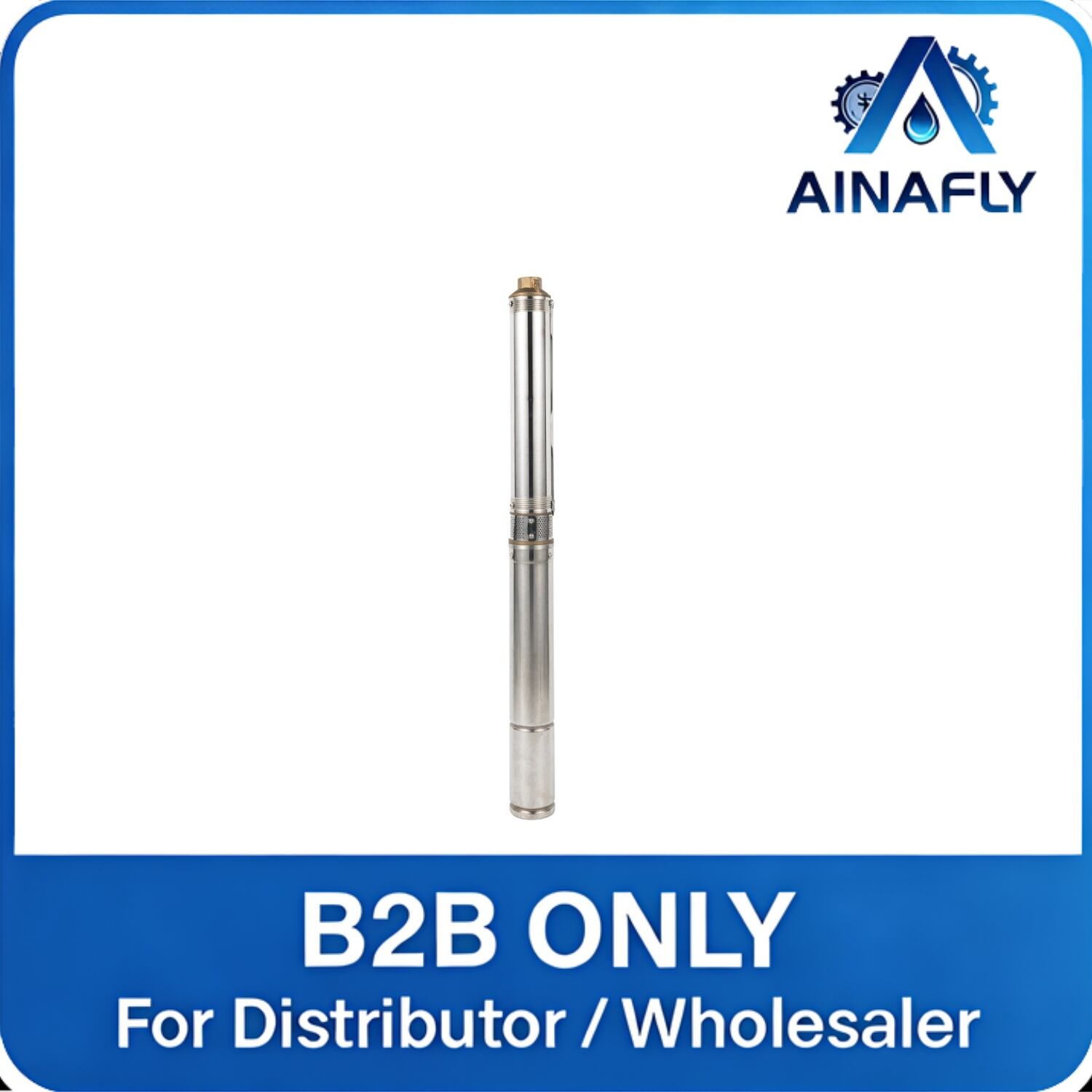
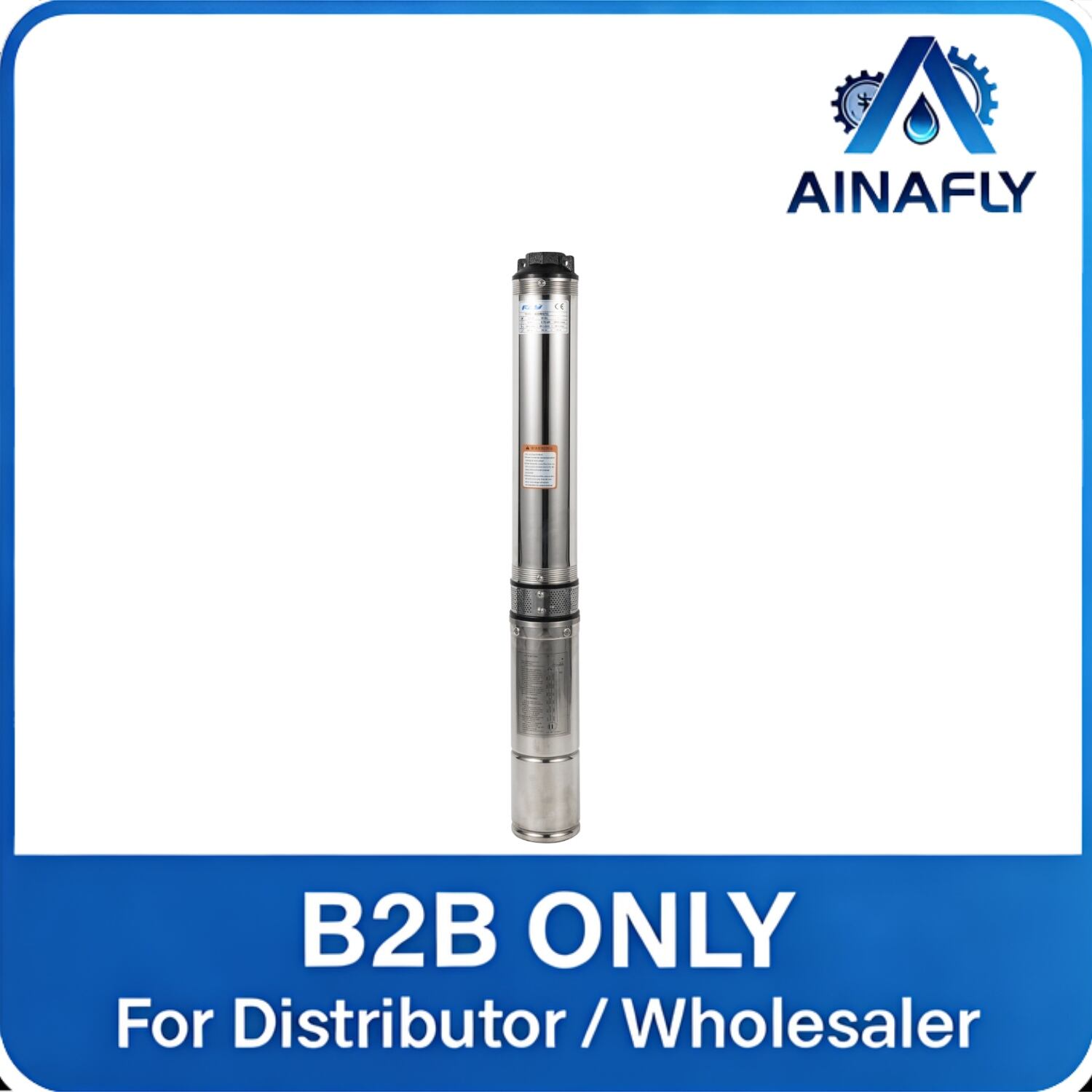
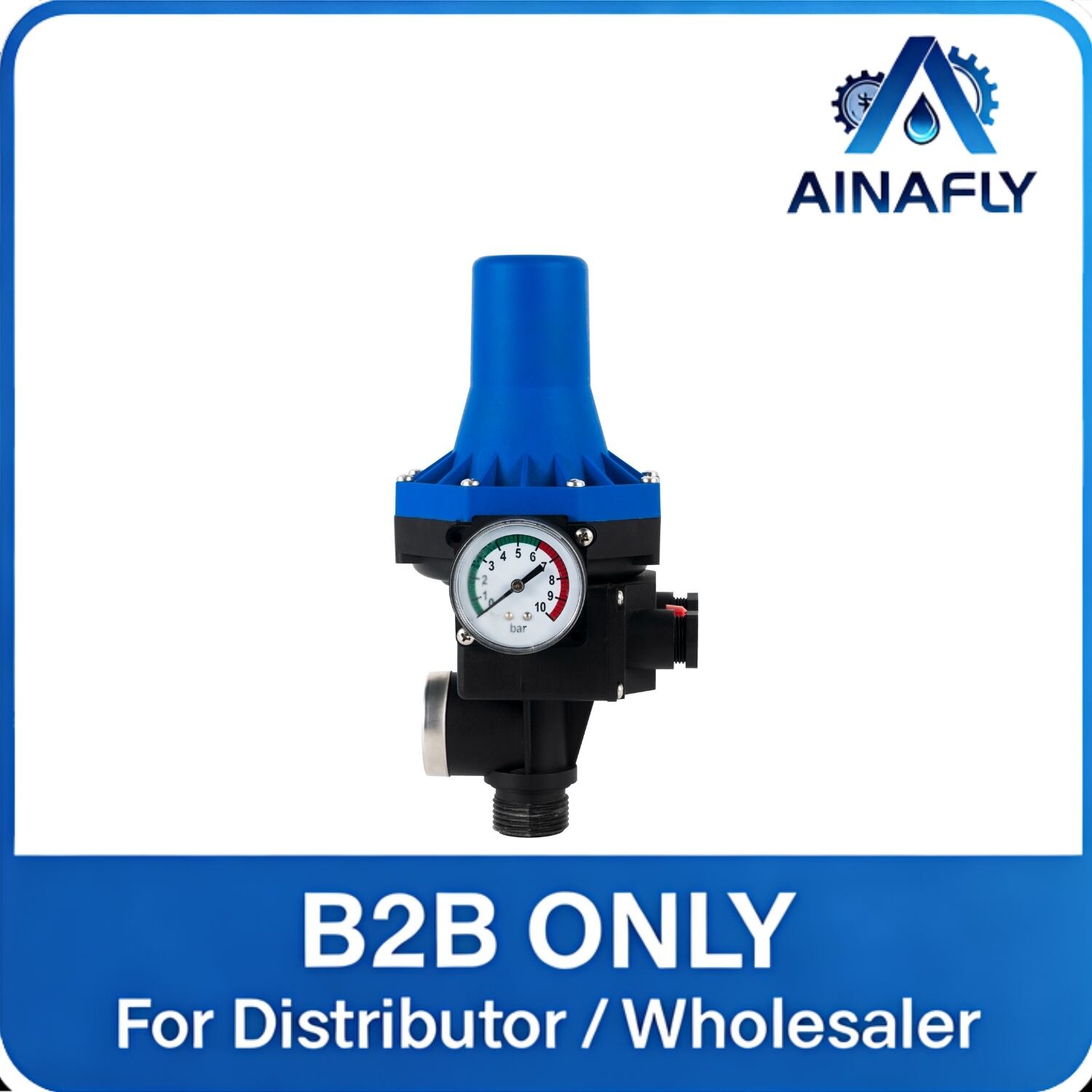
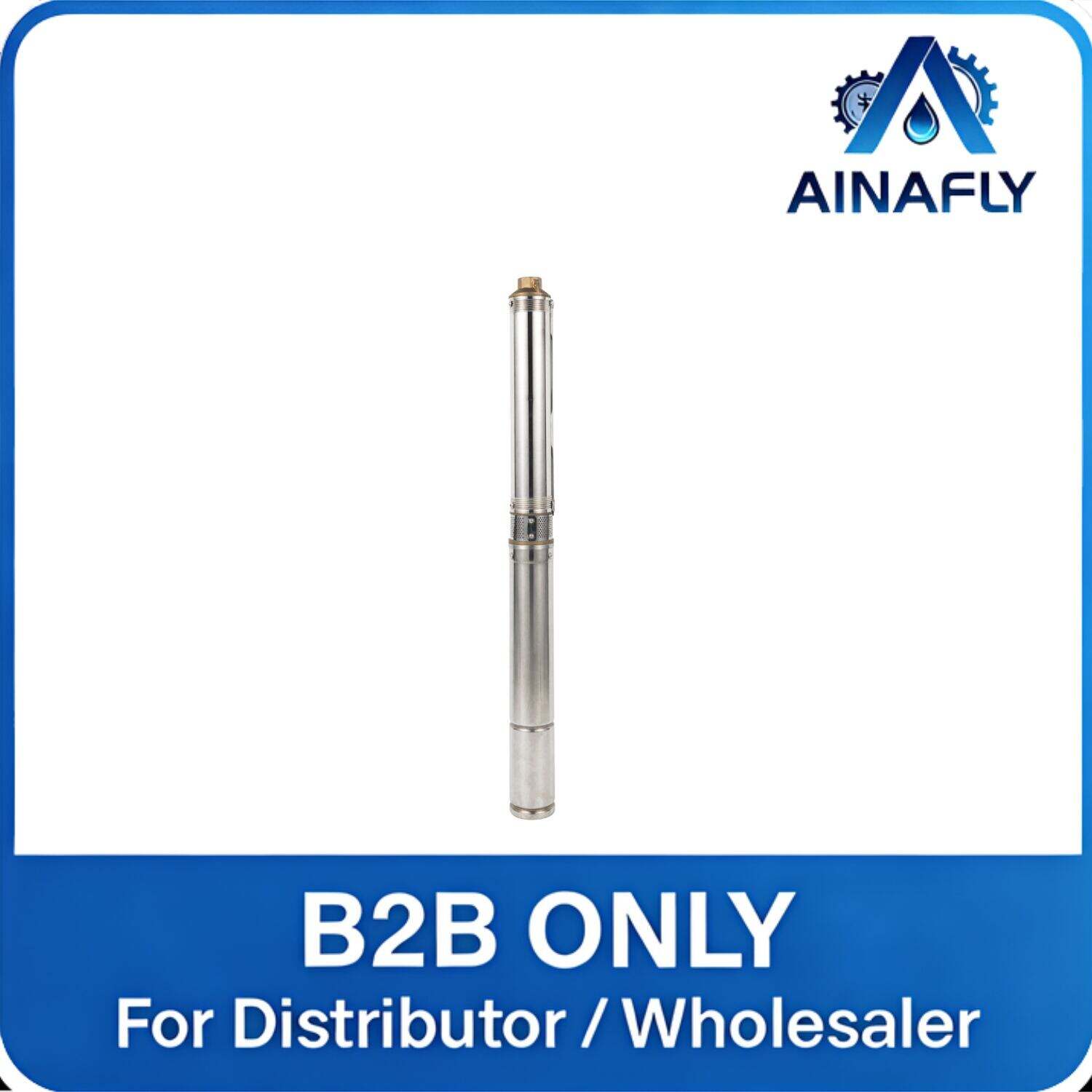
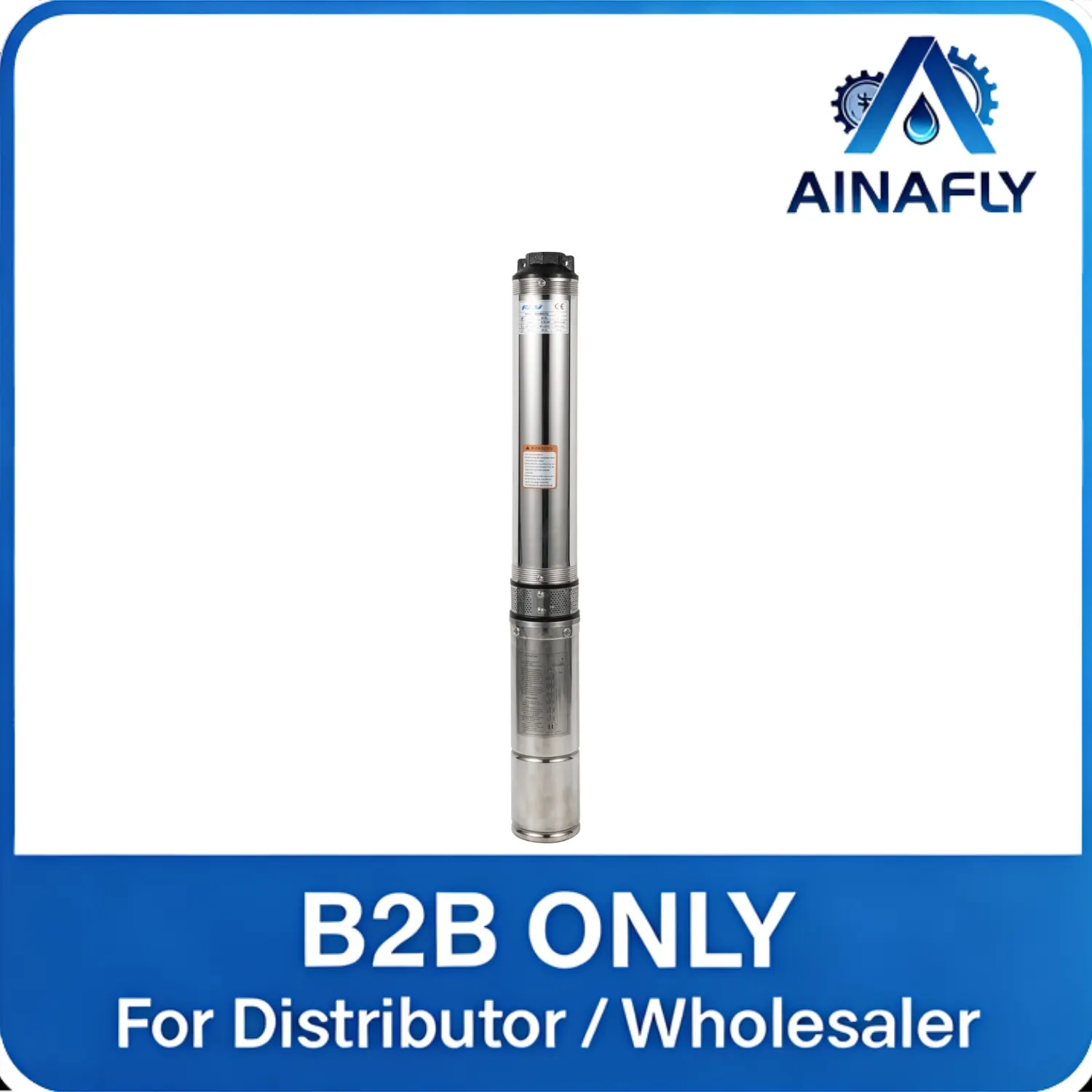
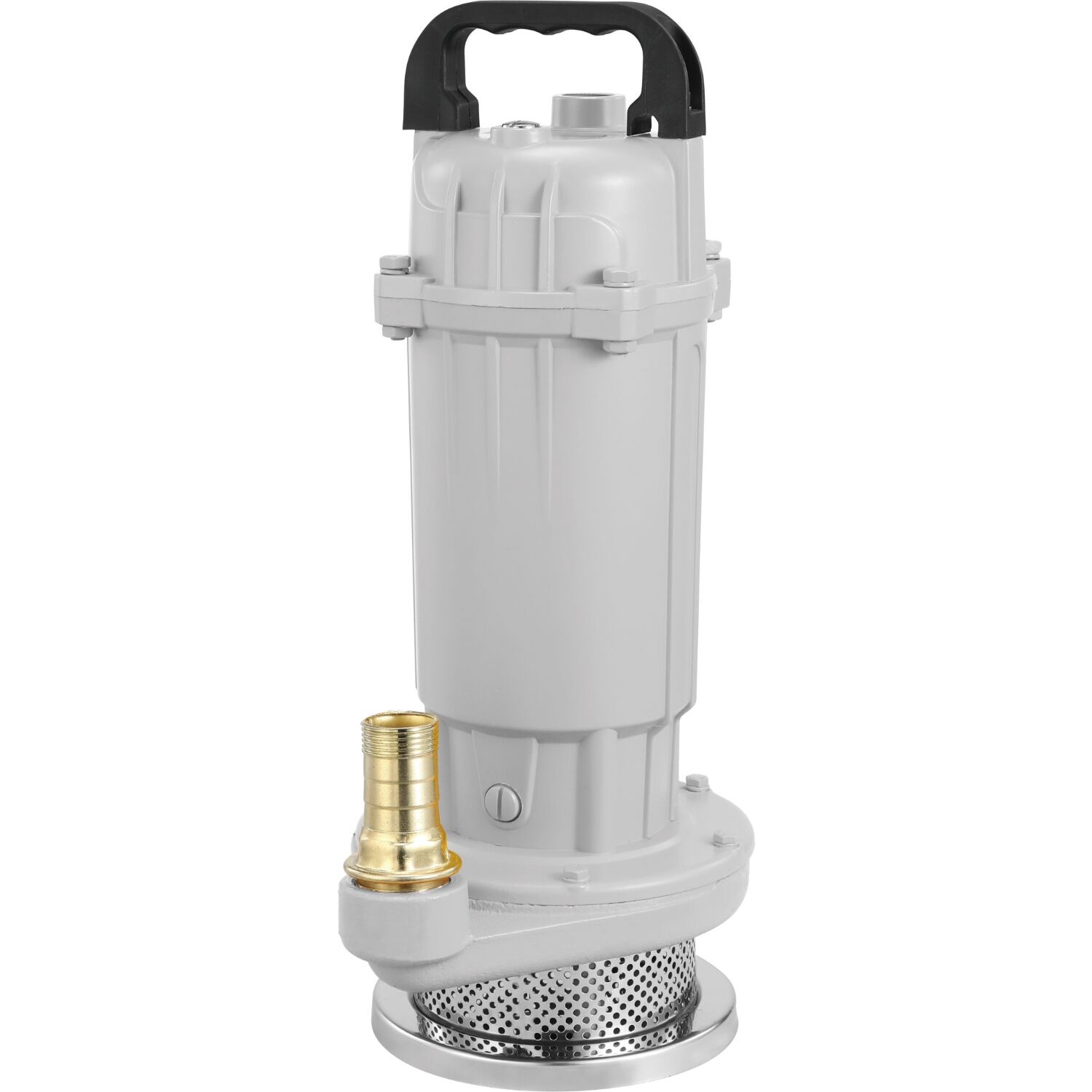
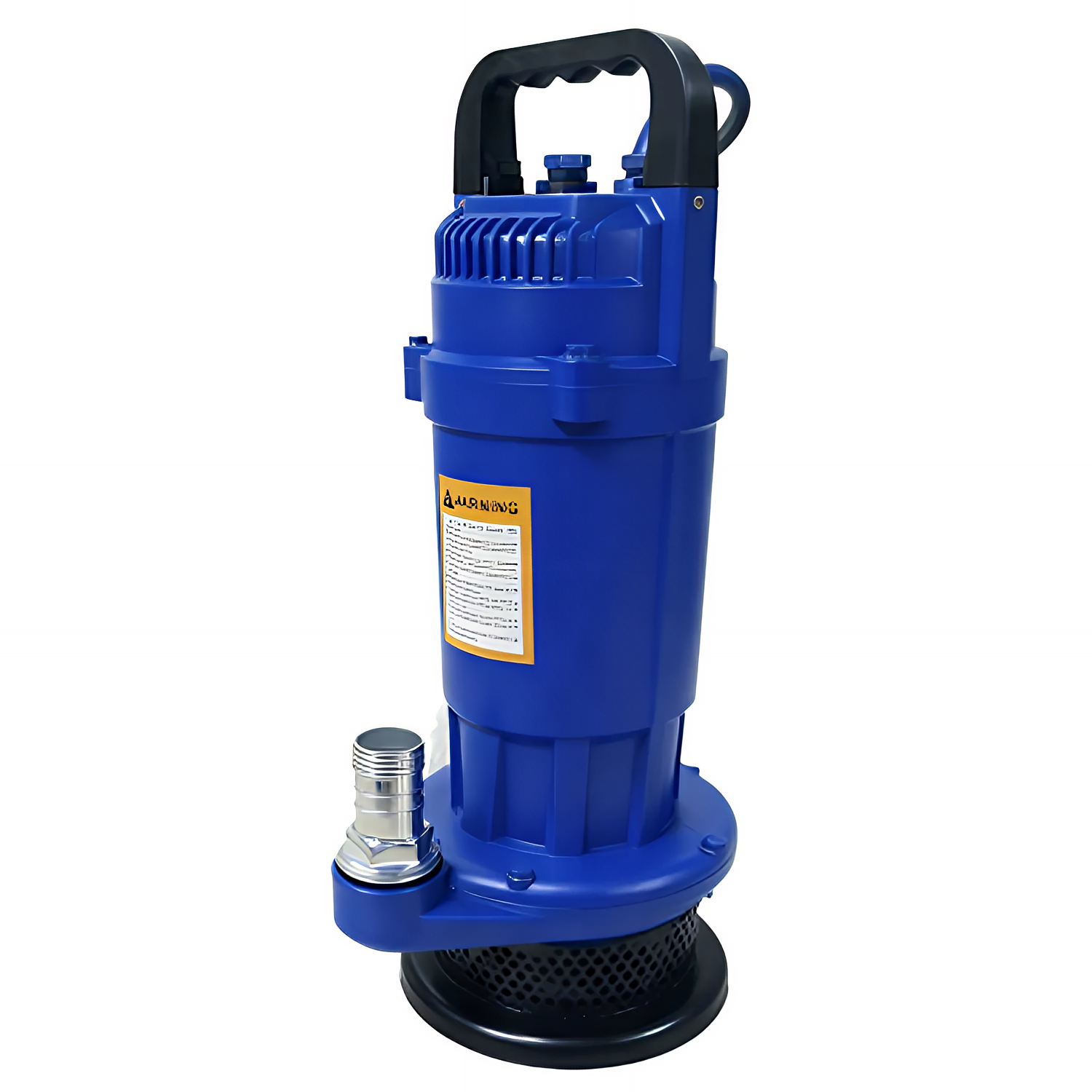
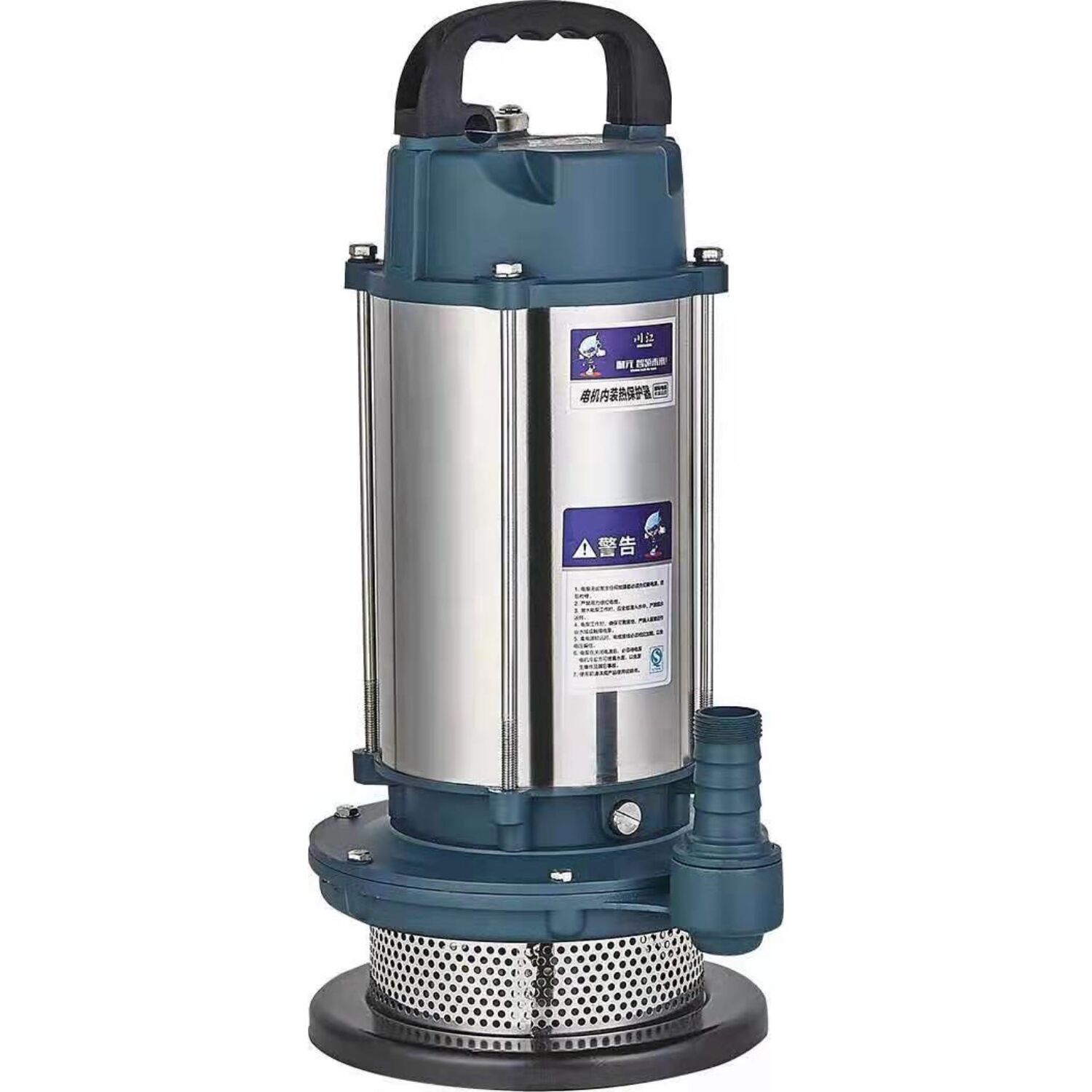
The submersible turbine pump demonstrates outstanding reliability characteristics that significantly reduce maintenance burdens and operational disruptions for users. The sealed design architecture protects critical components from environmental contaminants, moisture infiltration, and atmospheric corrosion that commonly affect surface-mounted pumping equipment. This protective environment extends component life substantially, with properly maintained submersible turbine pump systems often operating for decades with minimal intervention. The elimination of external rotating equipment, exposed drive shafts, and weather-vulnerable components removes numerous potential failure points that plague conventional pumping installations. The submersible turbine pump motor cooling system utilizes the surrounding fluid for heat dissipation, providing consistent temperature management that prevents overheating issues common in air-cooled surface motors during extreme weather conditions. This natural cooling mechanism ensures stable operation across wide temperature ranges while eliminating the need for auxiliary cooling systems or ventilation requirements. The multi-stage turbine design distributes hydraulic loads evenly across multiple impellers, reducing stress concentrations and wear patterns that can lead to premature failure in single-stage alternatives. Quality submersible turbine pump systems incorporate premium materials such as stainless steel components, engineered polymer seals, and corrosion-resistant fasteners that withstand harsh chemical environments and extended submersion without degradation. The modular construction approach allows for selective component replacement without complete system removal, minimizing maintenance downtime and associated costs. Advanced diagnostic capabilities integrated into modern submersible turbine pump control systems provide early warning indicators for potential issues, enabling proactive maintenance scheduling rather than reactive emergency repairs. Remote monitoring capabilities allow operators to track performance parameters, vibration levels, and electrical consumption patterns from centralized control facilities, optimizing maintenance intervals based on actual operating conditions rather than arbitrary time schedules. The reduced maintenance requirements translate to lower labor costs, reduced spare parts inventory, and improved system availability for critical applications where downtime represents significant economic or operational consequences for the user organization.

 EN
EN