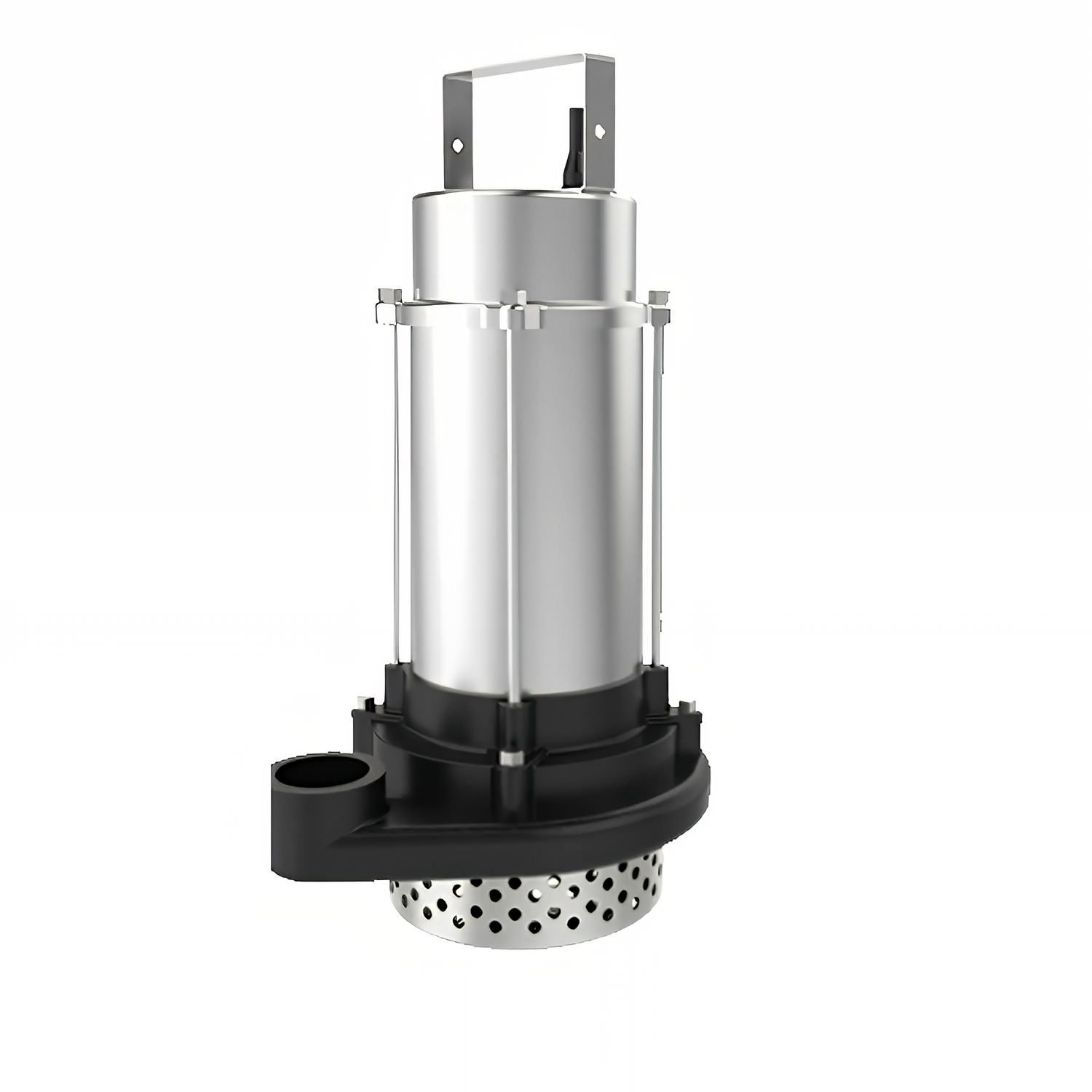
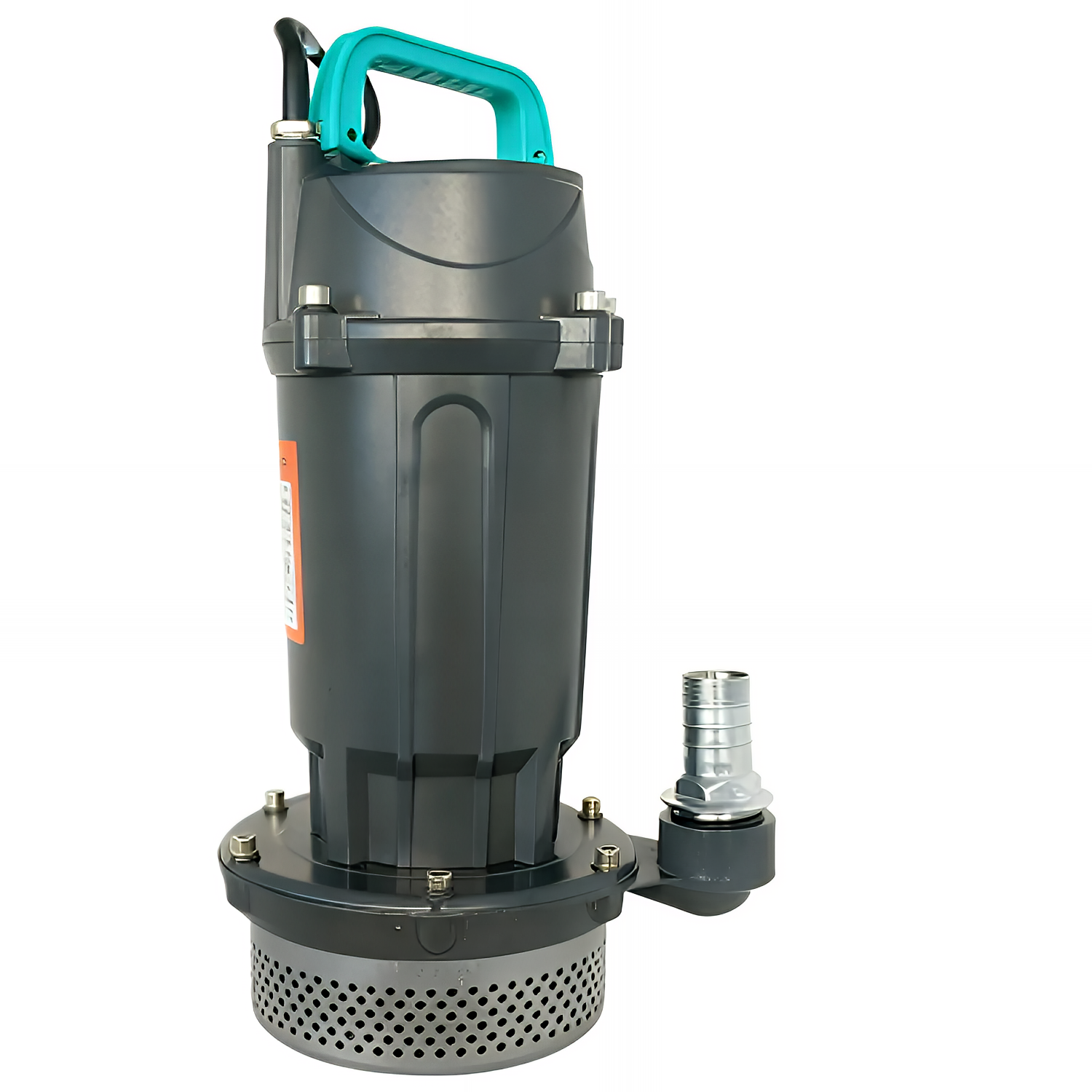
High-Performance Underwater Pump Solutions | Reliable Submersible Pumping Systems

Get a Free Quote

Our representative will contact you soon.
Email
Name
Company Name
Message
0/1000

underwater pump

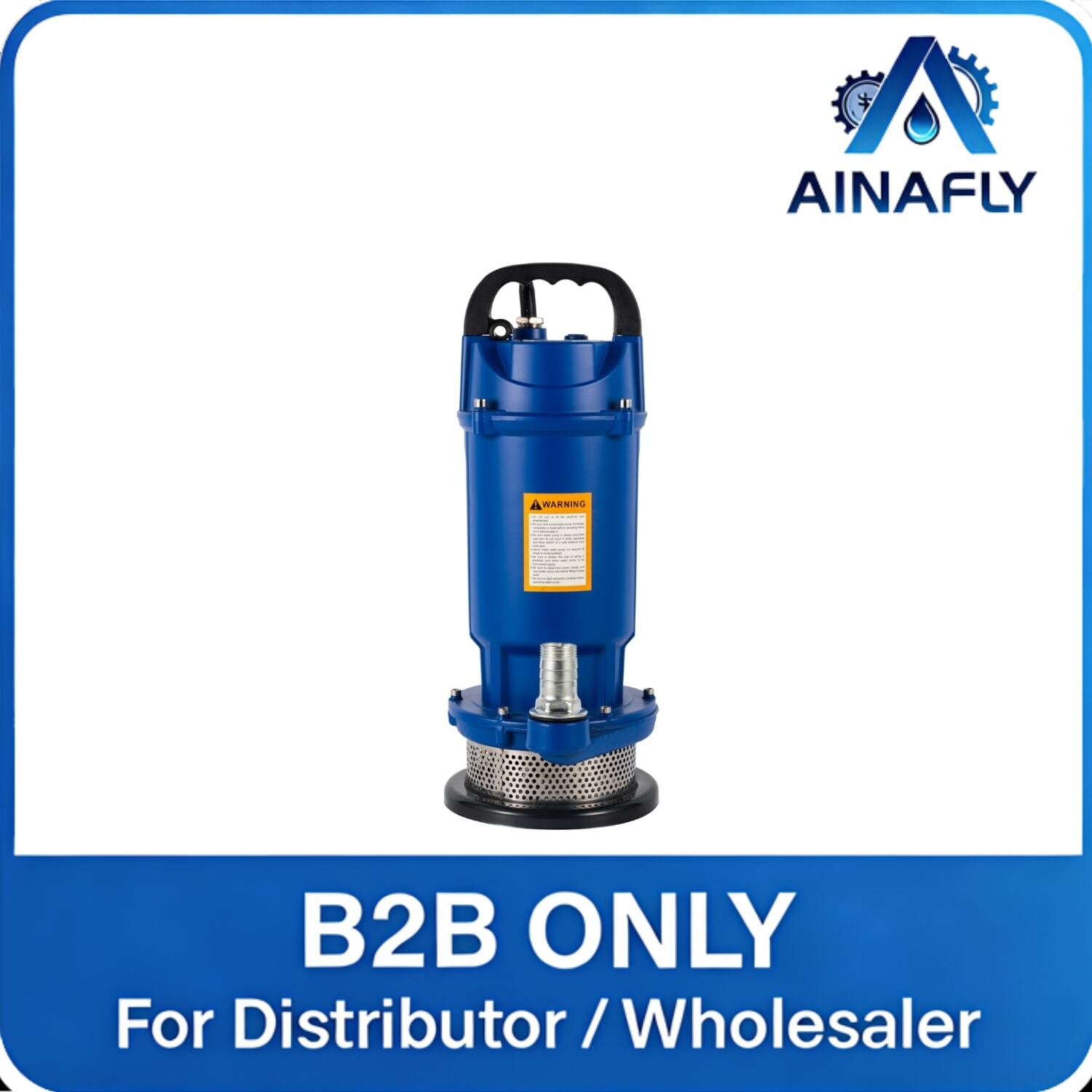
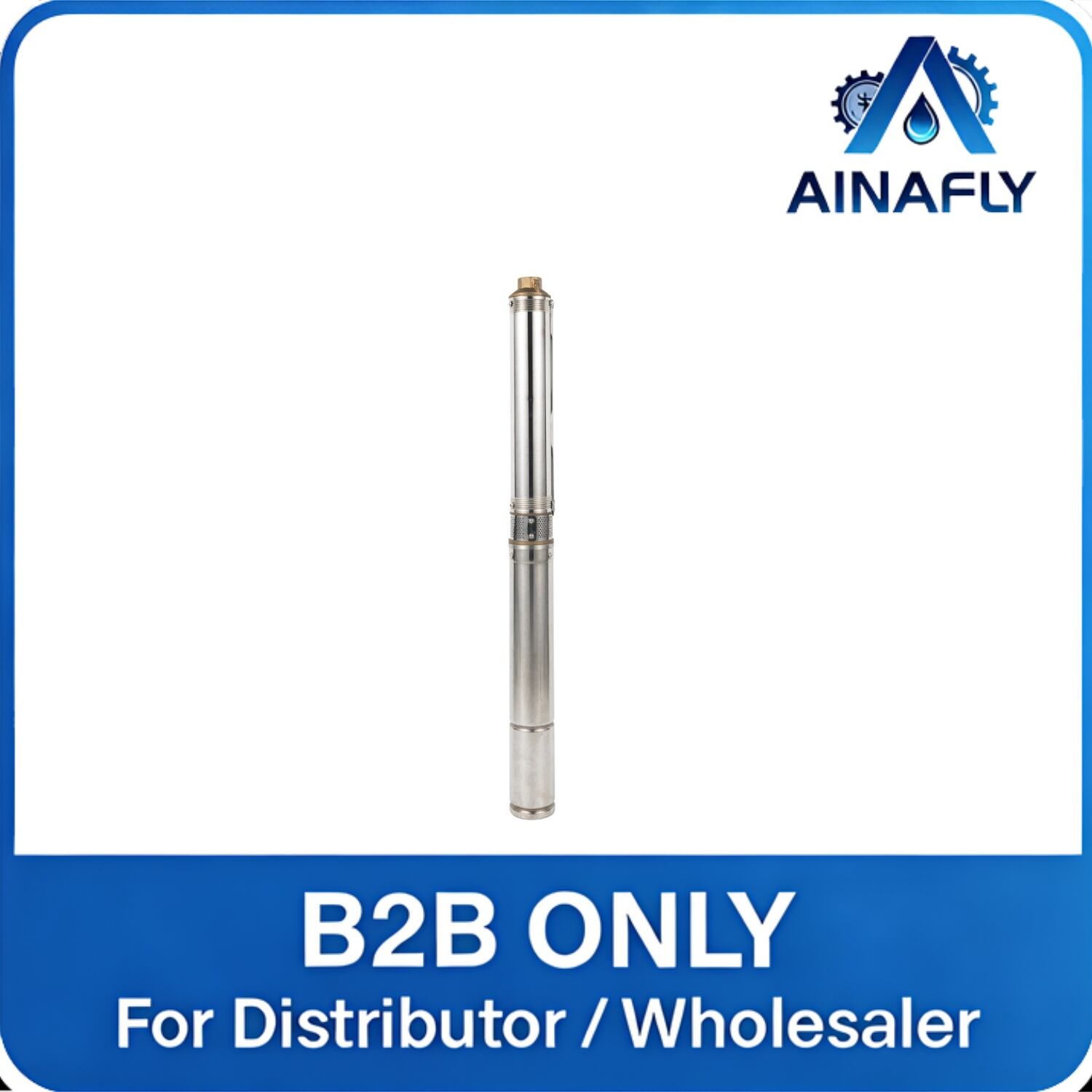
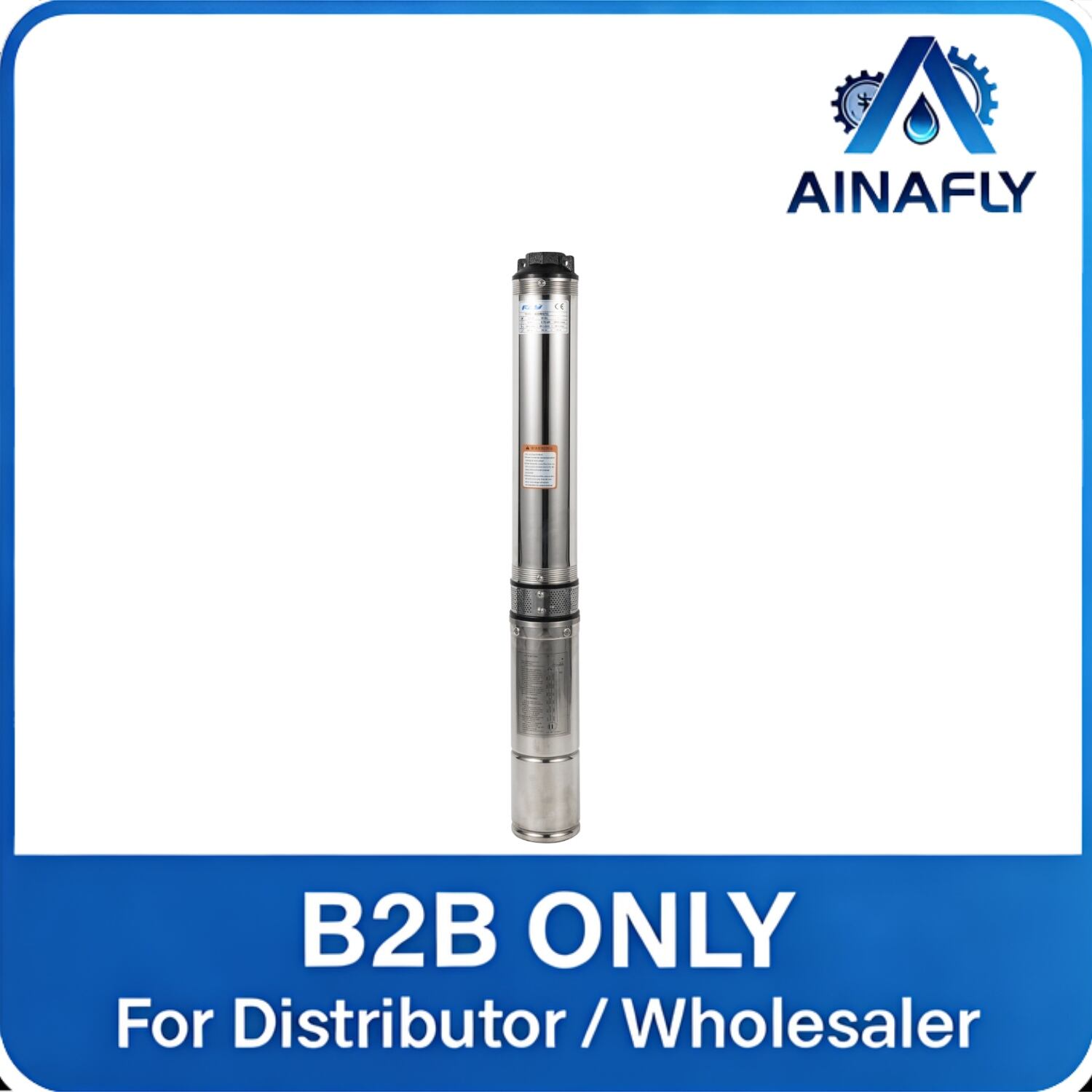
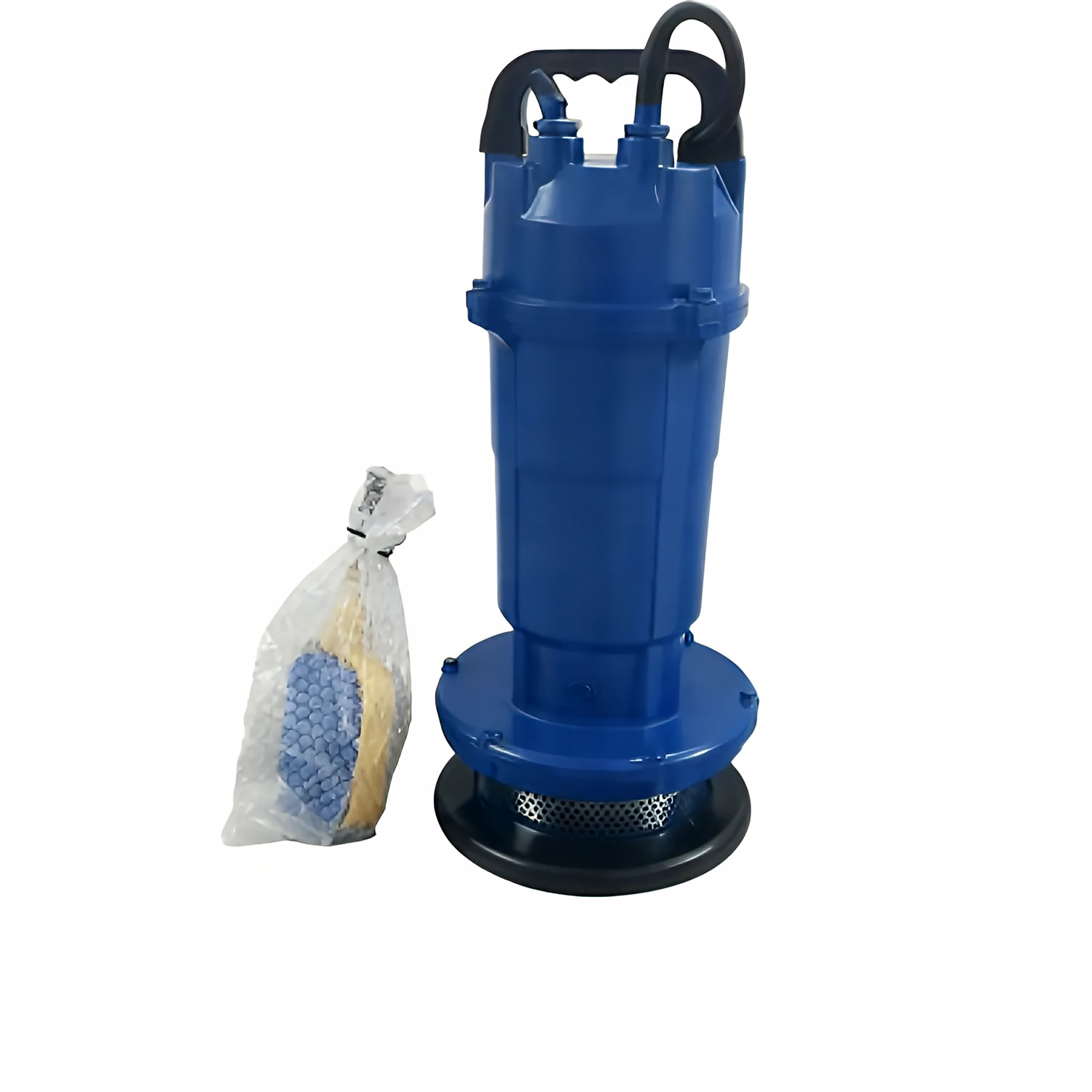
An underwater pump represents a specialized pumping solution designed to operate while completely submerged in various liquid environments. This innovative technology serves as a critical component in numerous industrial, agricultural, and residential applications where conventional surface-mounted pumps cannot provide adequate performance. The underwater pump functions by utilizing sealed motor compartments and corrosion-resistant materials to maintain operational integrity while submerged. These pumps excel in handling water transfer, drainage, irrigation, and waste management tasks across diverse settings. The primary function of an underwater pump involves moving fluids from lower elevations to higher levels or transferring liquids across horizontal distances. Advanced underwater pump models incorporate sophisticated impeller designs that maximize flow rates while minimizing energy consumption. The technological framework includes waterproof electrical connections, durable shaft seals, and robust housing materials that withstand prolonged submersion exposure. Modern underwater pump systems feature variable speed controls, automatic shut-off mechanisms, and integrated monitoring capabilities that enhance operational reliability. Applications span across municipal water treatment facilities, construction site dewatering, agricultural irrigation systems, residential sump pump installations, and industrial process cooling. The versatility of underwater pump technology extends to handling clean water, slightly contaminated fluids, and certain chemical solutions depending on material compatibility. Installation flexibility represents another significant advantage, as underwater pump units can be positioned directly at the source without requiring extensive piping infrastructure. These systems demonstrate exceptional reliability in harsh environmental conditions, including extreme temperatures, corrosive atmospheres, and high-pressure situations. The compact design of many underwater pump models allows for installation in confined spaces where traditional pumps cannot fit. Energy efficiency improvements in contemporary underwater pump designs contribute to reduced operational costs while maintaining superior performance standards throughout extended service periods.


Popular Products

The underwater pump delivers exceptional performance advantages that make it the preferred choice for countless applications requiring reliable fluid management solutions. Direct placement at the water source eliminates the need for complex priming procedures that traditional surface pumps require, resulting in immediate operational readiness and reduced maintenance complexity. This strategic positioning prevents cavitation issues commonly experienced with surface-mounted alternatives, ensuring consistent flow rates and extended equipment lifespan. The underwater pump operates with significantly reduced noise levels compared to conventional pumping systems, making it ideal for residential areas, hospitals, and noise-sensitive environments where quiet operation is essential. Energy efficiency represents a major cost-saving benefit, as underwater pump designs minimize friction losses associated with long suction lines, translating to lower electricity consumption and reduced operational expenses over time. The submersible design protects internal components from weather elements, vandalism, and accidental damage, providing enhanced security and reliability in outdoor installations. Maintenance requirements decrease substantially because underwater pump systems self-prime automatically and require fewer mechanical adjustments compared to surface-mounted units. The compact footprint allows installation in tight spaces, basements, wells, and underground chambers where traditional pumps cannot fit, maximizing space utilization and design flexibility. Temperature stability improves dramatically as the surrounding water provides natural cooling for motor components, preventing overheating issues that plague air-cooled surface pumps during intensive operation periods. Versatile fluid handling capabilities enable underwater pump systems to manage various liquid types, from clean water to moderately contaminated fluids, expanding application possibilities across multiple industries. Installation costs typically decrease because underwater pump systems require minimal above-ground infrastructure, reducing excavation, housing construction, and weather protection expenses. The sealed design prevents contamination from external debris, dust, and moisture that commonly affect surface pump performance, ensuring consistent operation and extended service intervals. Automated operation features in modern underwater pump models include level sensors, pressure switches, and remote monitoring capabilities that enhance operational convenience while reducing manual intervention requirements.

Latest News

How Is a Land Pump Commonly Used for Irrigation and Drainage?

27

Jan

How Is a Land Pump Commonly Used for Irrigation and Drainage?

Agricultural operations and water management systems rely heavily on efficient pumping solutions to maintain optimal water levels and distribution across various terrains. A land pump serves as a critical component in modern farming and drainage appl...
View More
How Does a Surface Pump Deliver Water from Shallow Sources?

13

Feb

How Does a Surface Pump Deliver Water from Shallow Sources?

Water delivery from shallow sources requires specialized equipment designed to handle varying depths and flow requirements. A surface pump represents one of the most effective solutions for extracting water from wells, ponds, rivers, and other access...
View More
What Installation Tips Ensure Reliable Surface Pump Operation?

20

Feb

What Installation Tips Ensure Reliable Surface Pump Operation?

Installing a surface pump correctly is fundamental to achieving optimal performance and long-term reliability in water distribution systems. Whether for residential wells, irrigation applications, or industrial processes, proper installation techniqu...
View More
How Can Routine Maintenance Prevent Deep Well Pump Failures?

03

Mar

How Can Routine Maintenance Prevent Deep Well Pump Failures?

Deep well pump systems represent critical infrastructure for countless residential, agricultural, and commercial applications worldwide. These sophisticated mechanical devices operate under challenging conditions, drawing water from significant depth...
View More

Get a Free Quote

Our representative will contact you soon.
Email
Name
Company Name
Message
0/1000

underwater pump

Superior Corrosion Resistance and Durability

Superior Corrosion Resistance and Durability

The underwater pump incorporates advanced materials engineering that delivers exceptional corrosion resistance and structural durability far beyond conventional pumping solutions. Manufacturers utilize high-grade stainless steel, specialized polymer coatings, and marine-grade alloys to construct critical components that withstand continuous submersion in challenging environments. This sophisticated material selection process ensures the underwater pump maintains optimal performance even when exposed to chemically aggressive fluids, saltwater conditions, and extreme pH levels that would quickly deteriorate standard pumps. The protective coating systems applied to underwater pump housings include epoxy-based formulations, ceramic layers, and specialized rubber compounds that create multiple barriers against corrosive attack. These protective measures extend operational lifespan significantly, often exceeding ten years of continuous service in harsh conditions where traditional pumps might fail within months. The robust construction methodology employed in underwater pump manufacturing includes precision welding techniques, advanced seal technologies, and reinforced bearing assemblies that eliminate common failure points. Quality control processes ensure each underwater pump unit meets stringent durability standards through rigorous testing protocols that simulate years of operational stress in accelerated timeframes. The investment in superior materials and construction techniques translates directly to reduced replacement costs, minimized downtime, and enhanced operational reliability for end users. Professional-grade underwater pump models feature replaceable wear components that extend service intervals while maintaining peak performance characteristics. The comprehensive warranty coverage typically offered with underwater pump systems reflects manufacturer confidence in long-term durability and provides additional peace of mind for customers making significant equipment investments. This exceptional durability makes the underwater pump the optimal choice for critical applications where equipment failure could result in costly operational disruptions or safety concerns.
Advanced Flow Control and Performance Optimization

Advanced Flow Control and Performance Optimization

Modern underwater pump technology incorporates sophisticated flow control mechanisms and performance optimization features that deliver precise fluid management capabilities tailored to specific application requirements. Variable frequency drive integration allows operators to adjust pump speed dynamically, optimizing energy consumption while maintaining desired flow rates across varying demand conditions. This intelligent control capability enables the underwater pump to respond automatically to changing system pressures, liquid levels, and operational parameters without manual intervention. Advanced impeller designs utilizing computational fluid dynamics optimization maximize hydraulic efficiency while minimizing turbulence and energy losses throughout the pumping process. The underwater pump achieves superior performance through carefully engineered volute chambers that convert kinetic energy to pressure energy with minimal losses, resulting in higher overall system efficiency. Integrated monitoring systems provide real-time feedback on operating parameters including flow rate, pressure differentials, motor temperature, and vibration levels, enabling predictive maintenance strategies that prevent unexpected failures. Smart control algorithms built into contemporary underwater pump systems automatically adjust operational parameters to maintain optimal performance while protecting equipment from damaging conditions such as dry running, overload situations, and excessive pressure buildup. The precision-balanced rotor assemblies in quality underwater pump units minimize vibration and noise while maximizing smooth operation and extended bearing life. Multiple impeller configurations available in underwater pump designs accommodate diverse application requirements, from high-volume low-head applications to high-pressure specialized pumping tasks. Performance curves for underwater pump models are extensively tested and documented, providing engineers with accurate data for proper system sizing and selection. Remote monitoring capabilities allow operators to track underwater pump performance from central control locations, enabling immediate response to changing conditions and optimizing overall system efficiency across multiple installation sites.
Exceptional Installation Flexibility and Space Efficiency

Exceptional Installation Flexibility and Space Efficiency

The underwater pump offers unparalleled installation flexibility and space efficiency advantages that make it the ideal solution for applications with challenging spatial constraints and complex system requirements. Unlike traditional surface-mounted pumps that require dedicated pump rooms, extensive piping networks, and weather protection structures, the underwater pump operates effectively in minimal space while maintaining full performance capabilities. This compact design philosophy enables installation in narrow wells, confined basements, small mechanical rooms, and underground chambers where conventional pumping equipment simply cannot fit. The modular construction approach used in underwater pump manufacturing allows for easy transportation through standard doorways and down narrow stairwells, eliminating the need for special rigging equipment or structural modifications during installation. Professional installation teams can complete underwater pump installations significantly faster than comparable surface pump systems because fewer components require connection and alignment. The self-contained design eliminates the need for separate motor mounts, coupling alignments, and extensive suction piping that complicate traditional pump installations. Maintenance access remains convenient despite the submerged installation, with most underwater pump models featuring quick-disconnect fittings and lifting arrangements that simplify servicing procedures. The absence of above-ground pump housing reduces visual impact in architectural applications while freeing valuable real estate for other uses. Energy efficiency improvements result from shorter piping runs and reduced friction losses, as the underwater pump connects directly to discharge piping without lengthy suction lines. Installation cost savings accumulate through reduced excavation requirements, simplified electrical connections, and elimination of pump room construction expenses. The underwater pump adapts readily to existing infrastructure, making it an excellent choice for retrofit applications where space limitations prevent installation of conventional pumping systems. Flexible mounting options accommodate various installation angles and orientations, providing engineers with design freedom to optimize system layout and performance characteristics.

Get a Free Quote

Our representative will contact you soon.
Email
Name
Company Name
Message
0/1000

Copyright © 2026 Zhejiang Aina Pump Co., Ltd. Beijing All rights reserved.  -  Privacy policy