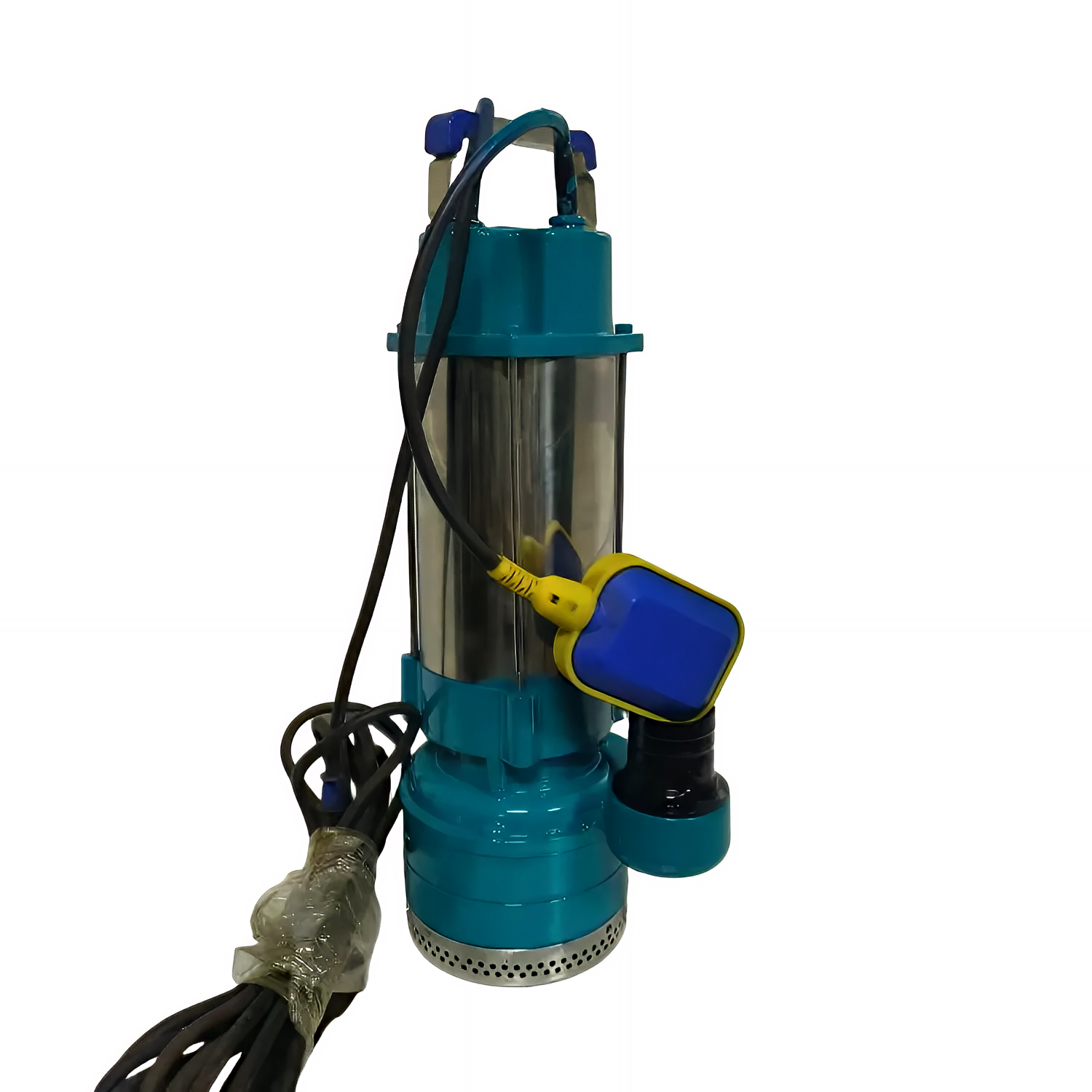
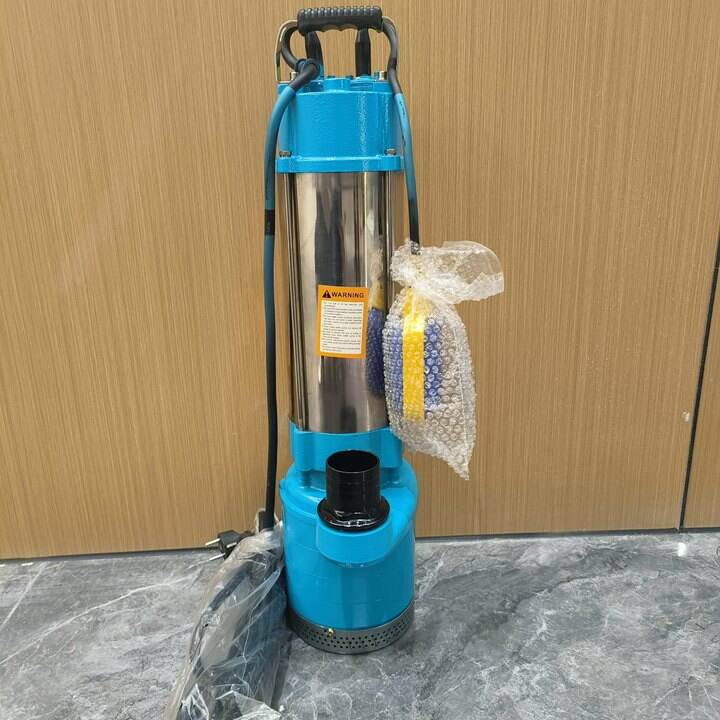
vertical multistage booster pump
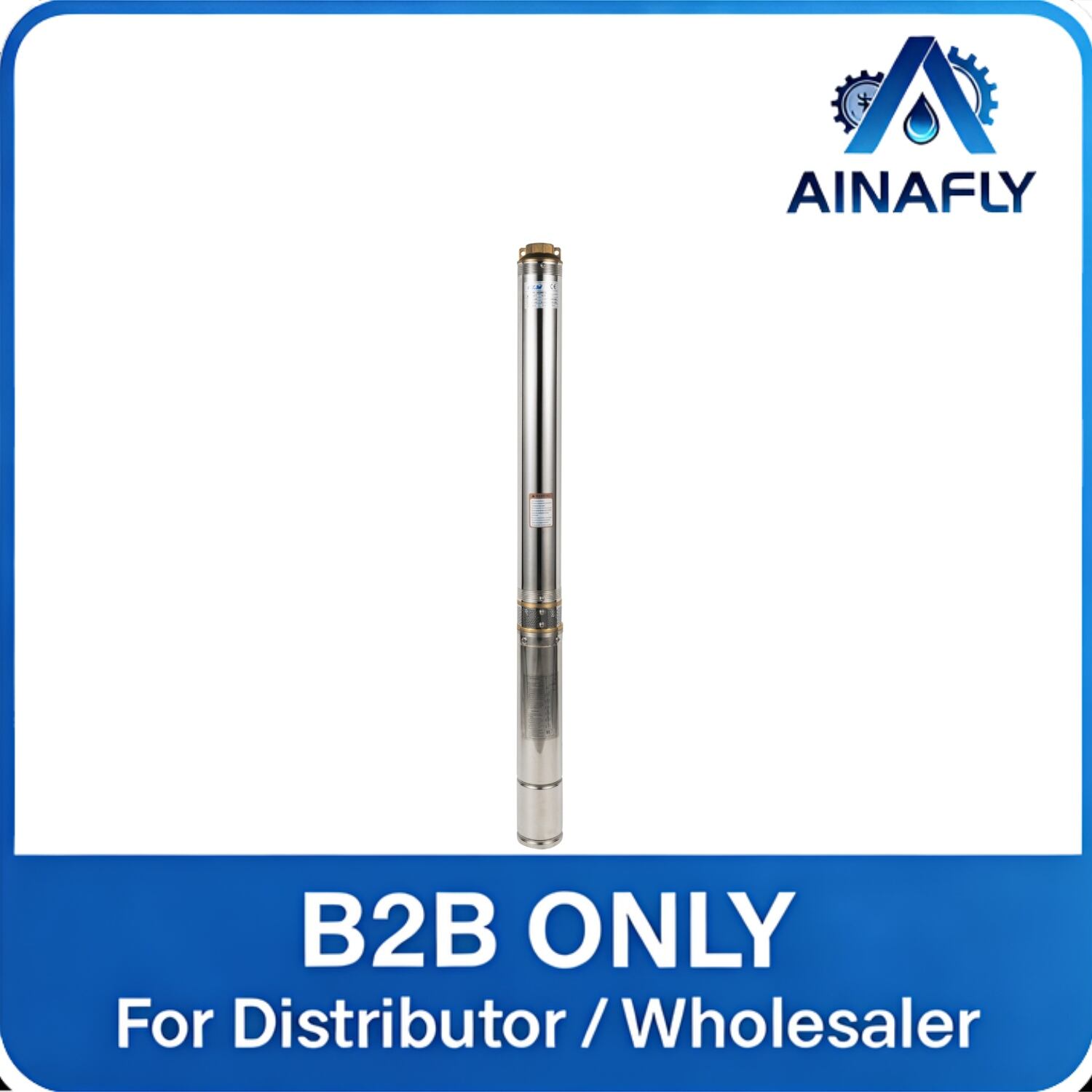
A vertical multistage booster pump represents a sophisticated water pressure enhancement solution designed to deliver consistent, reliable performance across diverse commercial and residential applications. This innovative pump system features multiple impellers arranged in series within a single vertical housing, creating a compact yet powerful unit that maximizes space efficiency while delivering exceptional hydraulic performance. The vertical multistage booster pump operates by drawing water through the inlet and progressively increasing pressure as the fluid passes through each stage, with each impeller contributing additional head to achieve the desired output pressure. The pump's vertical configuration offers significant installation advantages, particularly in space-constrained environments where horizontal pumps would be impractical. Modern vertical multistage booster pump systems incorporate advanced materials such as stainless steel components, high-grade cast iron, and corrosion-resistant alloys to ensure longevity and reliable operation in various water quality conditions. These pumps typically feature variable speed drives that automatically adjust motor speed based on system demand, optimizing energy consumption while maintaining consistent pressure delivery. The technological architecture of a vertical multistage booster pump includes precision-engineered hydraulic components, balanced impellers, and wear-resistant sealing systems that minimize maintenance requirements. Applications for vertical multistage booster pump systems span numerous industries including commercial buildings, residential complexes, industrial facilities, water treatment plants, irrigation systems, and fire protection networks. The pump's modular design allows for customization based on specific flow and pressure requirements, making it suitable for both retrofit installations and new construction projects. Advanced control systems integrated into modern vertical multistage booster pump units provide real-time monitoring capabilities, fault detection, and automated operation modes that enhance system reliability and reduce operational costs.

 EN
EN