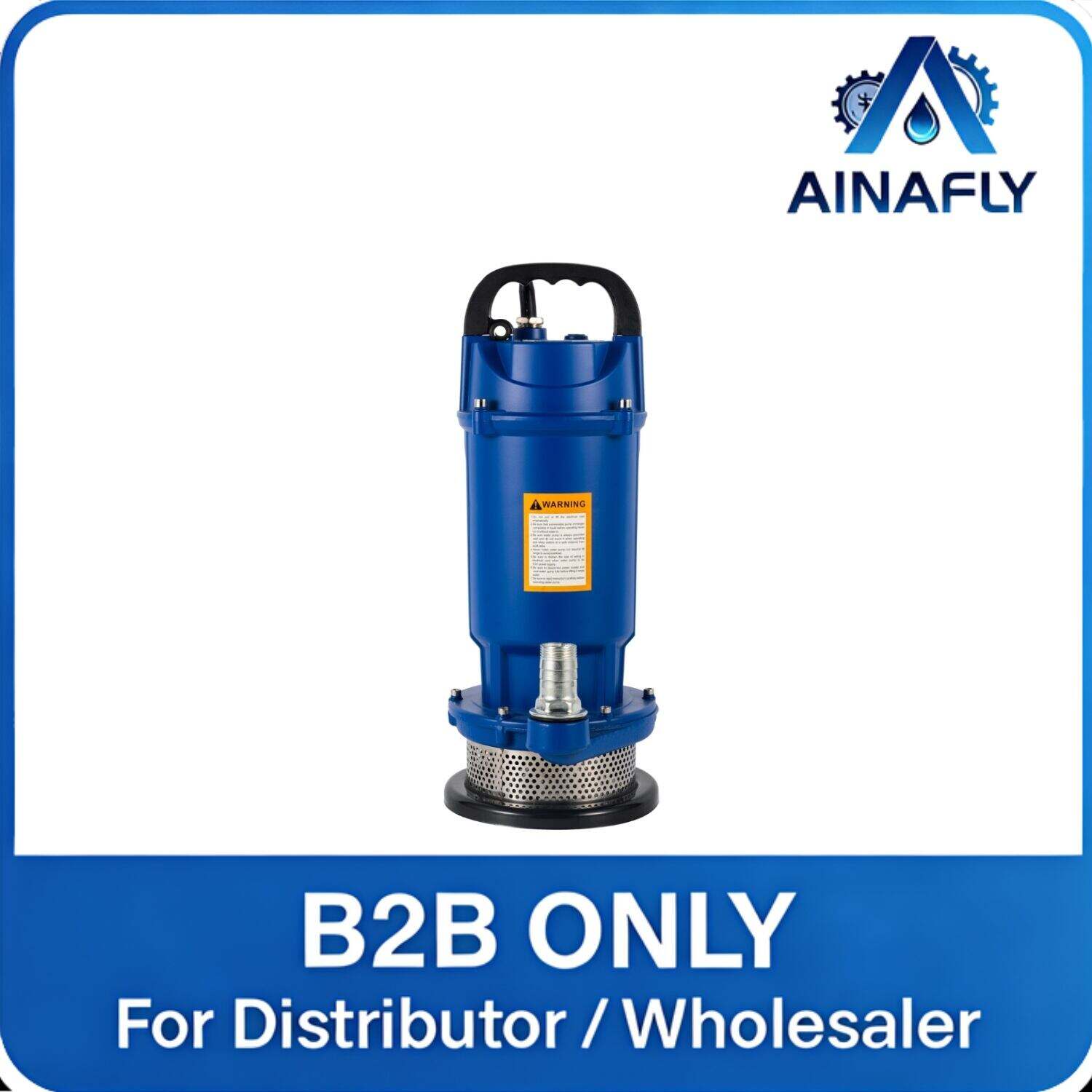
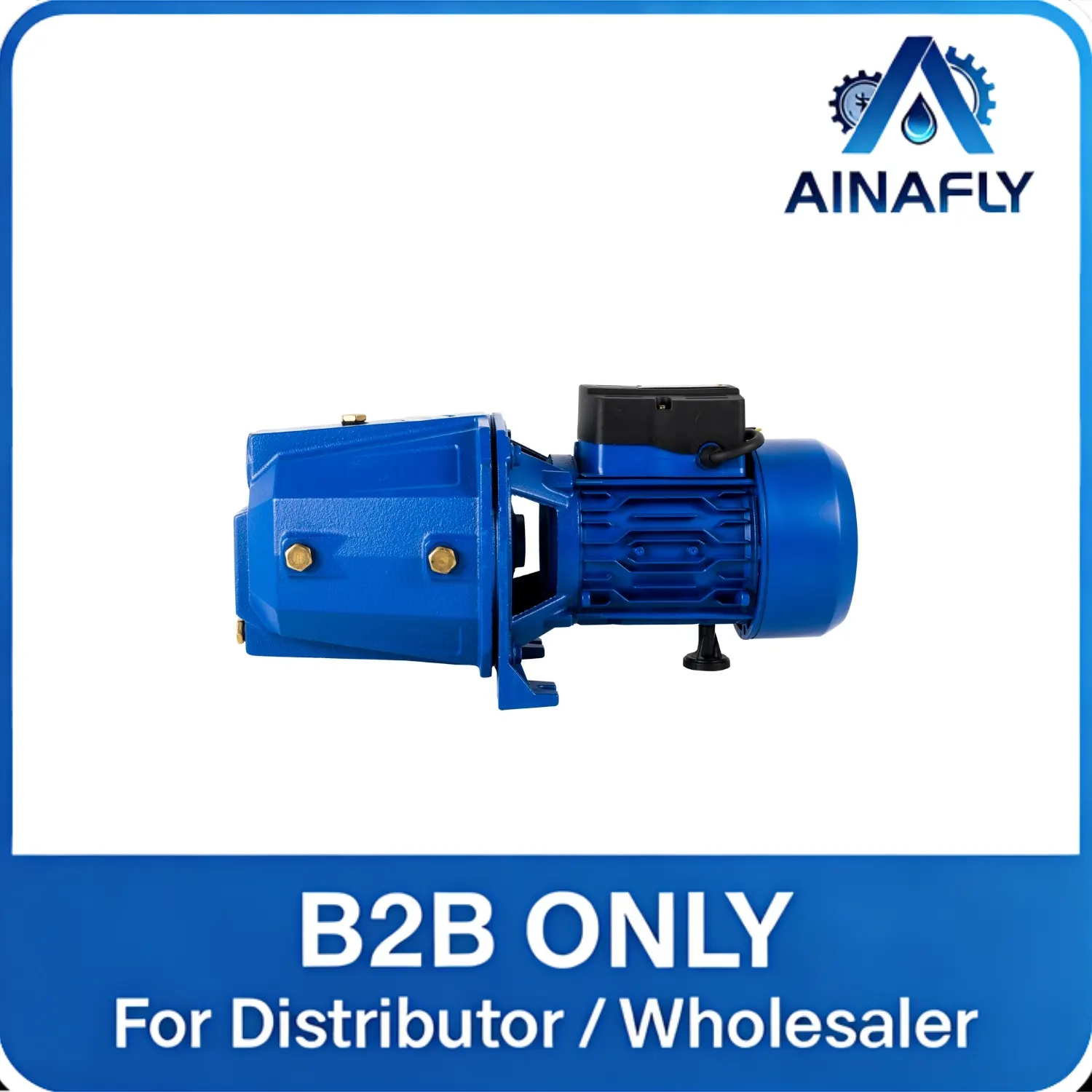
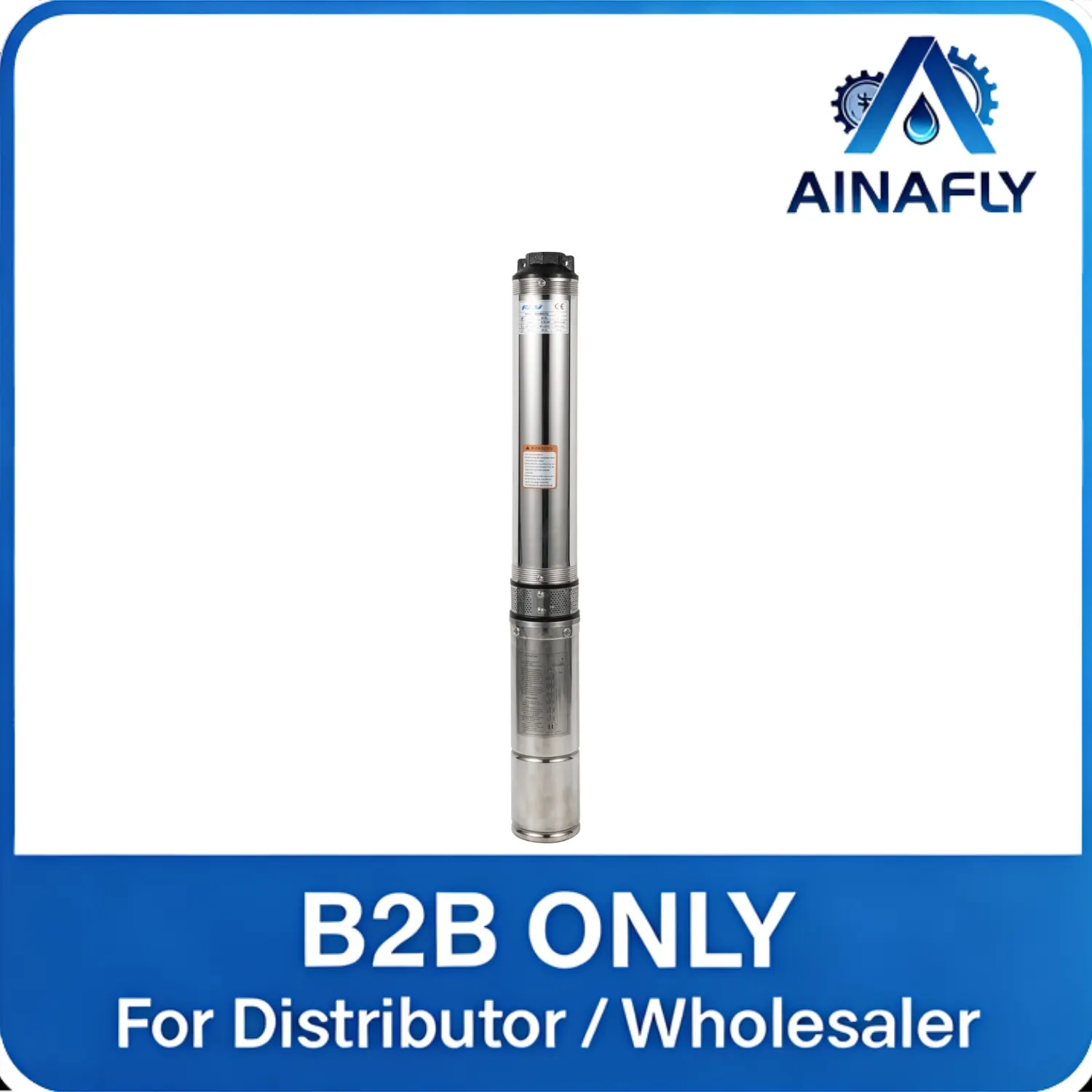
Space-Saving Vertical Design with Maximum Efficiency
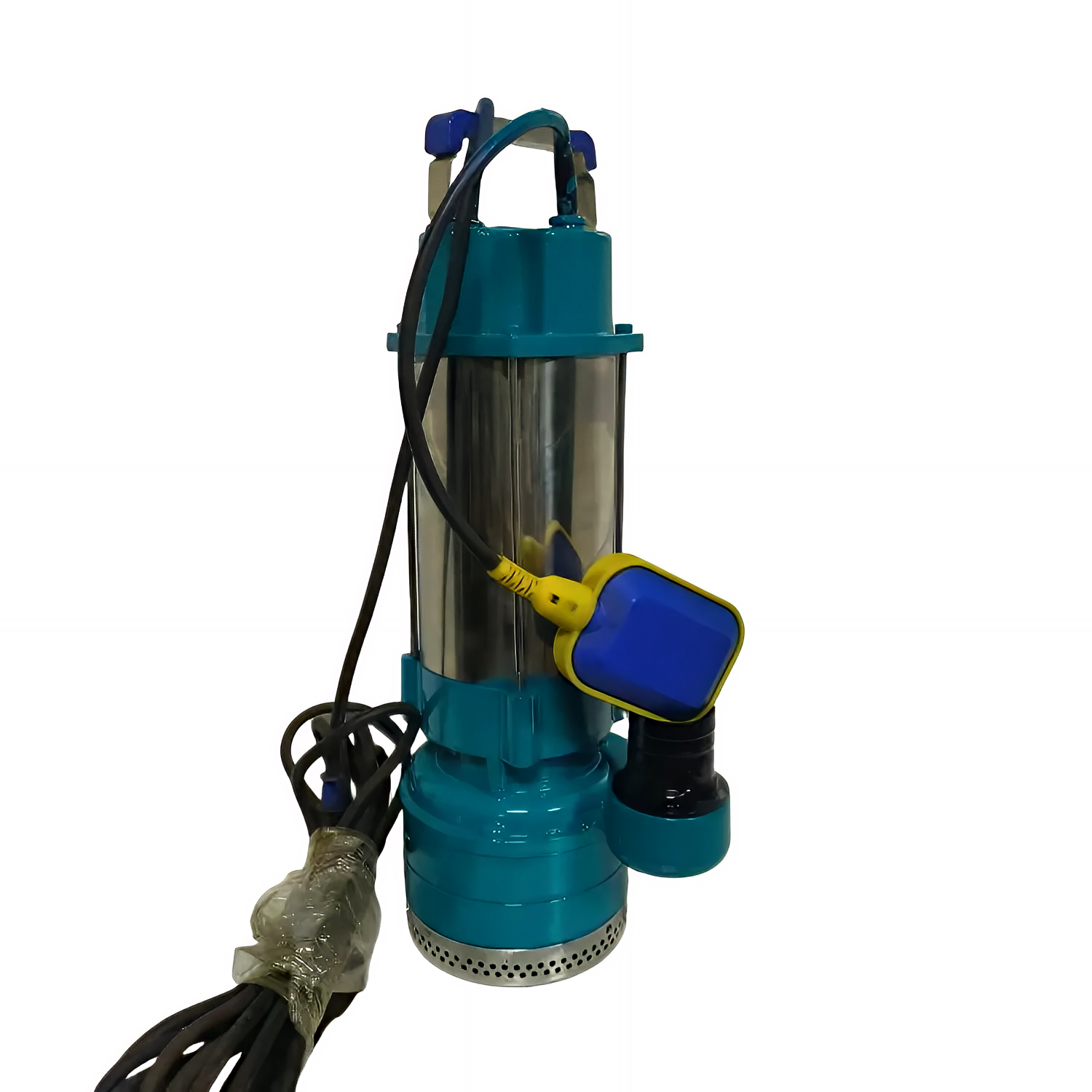
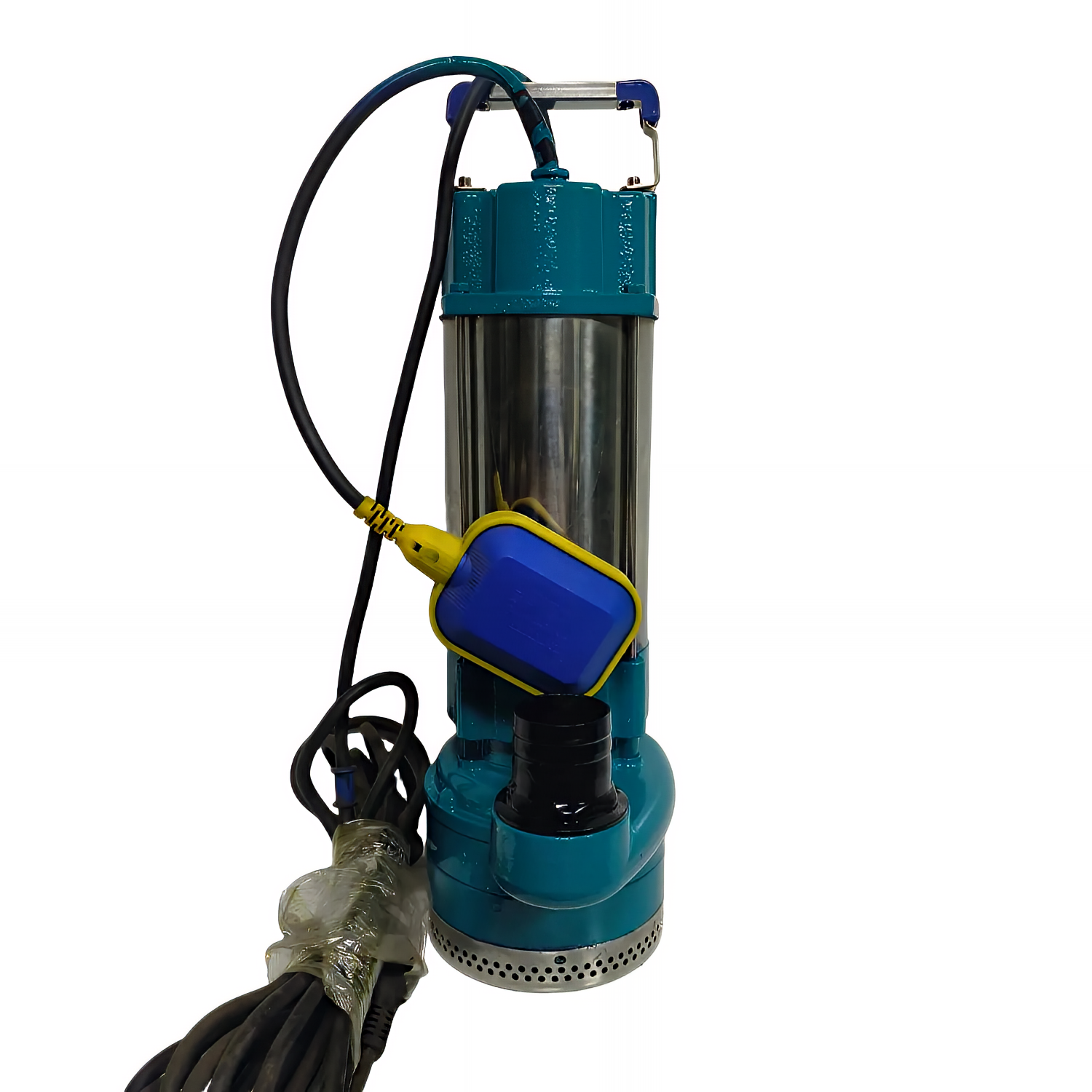
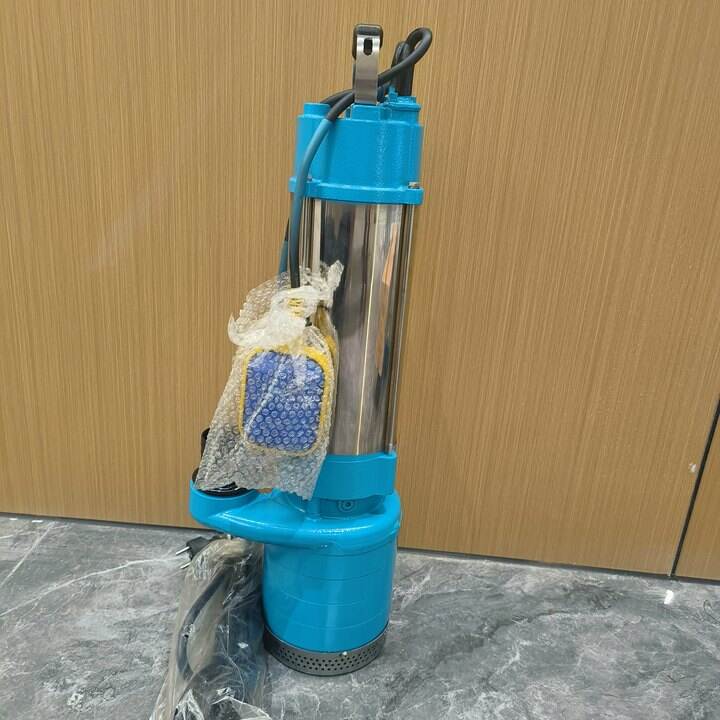
The innovative vertical configuration of the vertical stage pump represents a revolutionary approach to industrial fluid handling that maximizes performance while minimizing spatial requirements. This distinctive design feature allows the pump to operate within extremely compact footprints, making it the ideal solution for facilities where floor space commands premium value. The vertical orientation enables multiple impeller stages to stack efficiently along a single vertical axis, eliminating the horizontal space requirements associated with traditional multi-stage horizontal pumps. This configuration proves particularly valuable in urban installations, offshore platforms, marine applications, and industrial facilities where every square foot of floor space contributes to operational costs. The vertical stage pump design also facilitates easier integration into existing piping systems, as inlet and outlet connections can be positioned to optimize flow patterns and reduce piping complexity. The compact design reduces foundation requirements and simplifies structural support needs, resulting in lower installation costs and faster project completion times. Furthermore, the vertical arrangement promotes natural fluid circulation patterns that enhance overall system efficiency and reduce energy consumption. The space-saving benefits extend beyond mere footprint considerations, as the vertical stage pump design allows for easier maintenance access from above, eliminating the need for extensive clearance areas around the pump perimeter. This vertical accessibility proves invaluable in crowded industrial environments where maintenance crews must work efficiently within confined spaces. The design also supports modular expansion capabilities, allowing additional stages to be incorporated vertically without expanding the horizontal footprint, providing exceptional scalability for evolving operational requirements. The environmental benefits of the compact design include reduced material usage during manufacturing and lower transportation costs due to the optimized packaging configuration.

 EN
EN