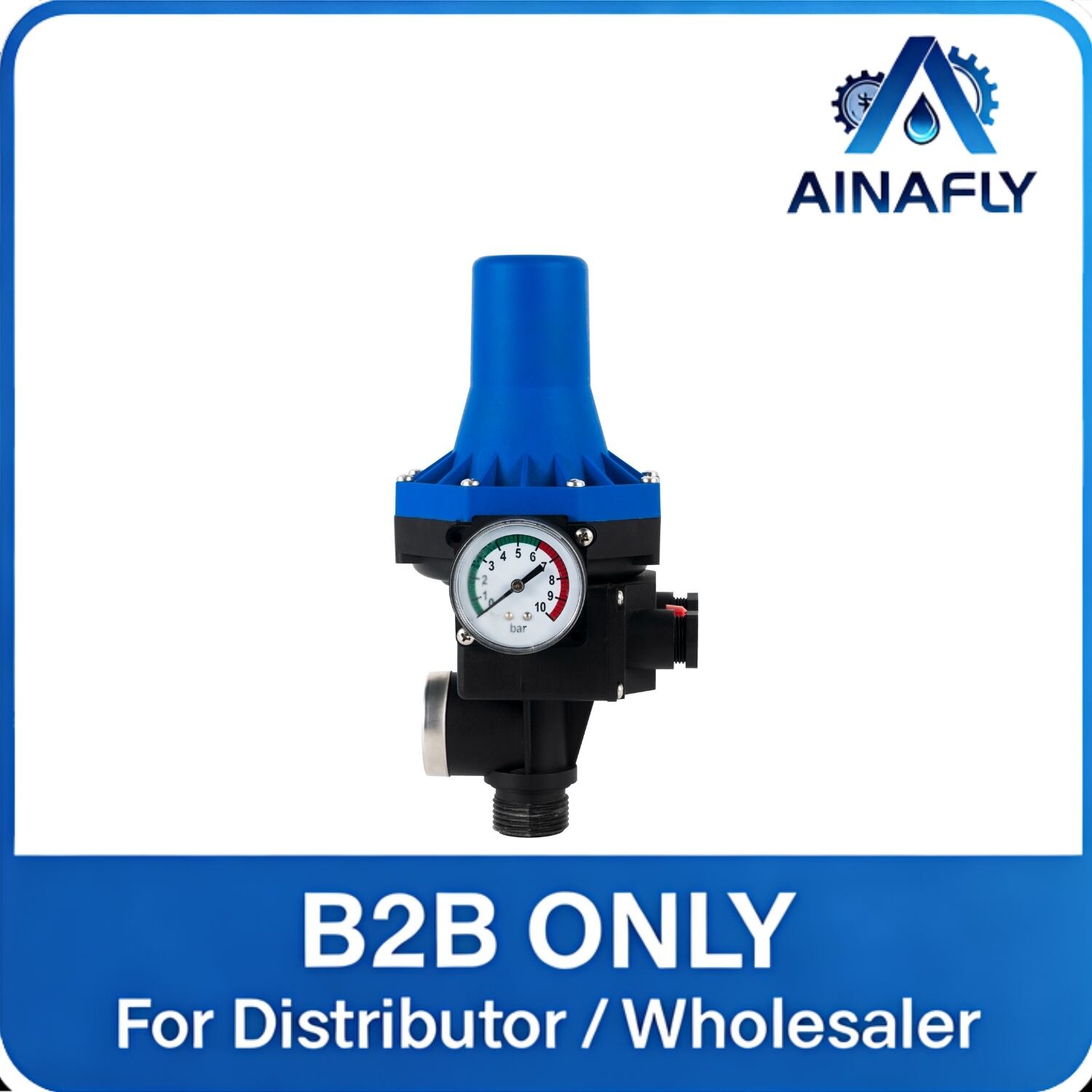
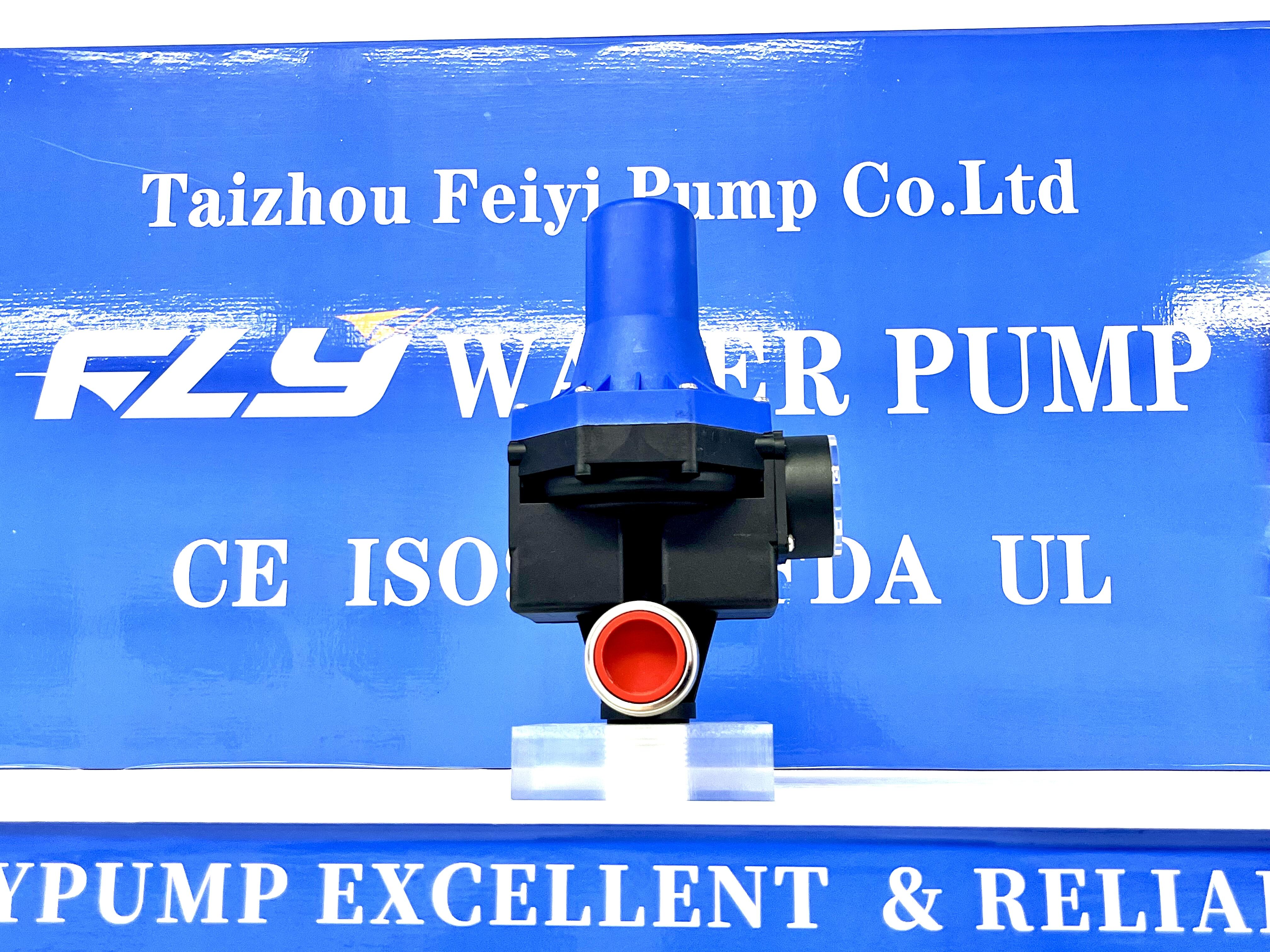
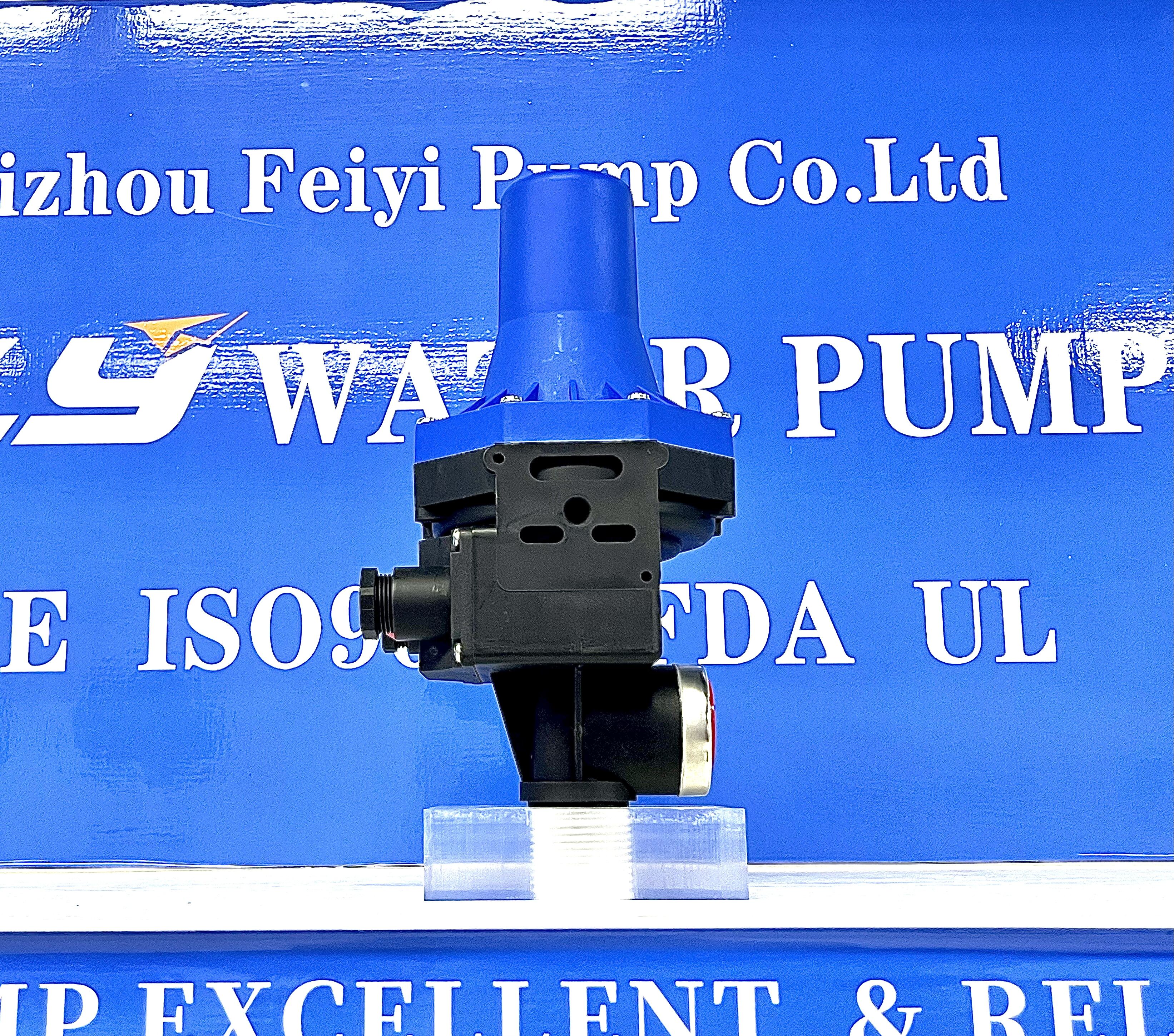
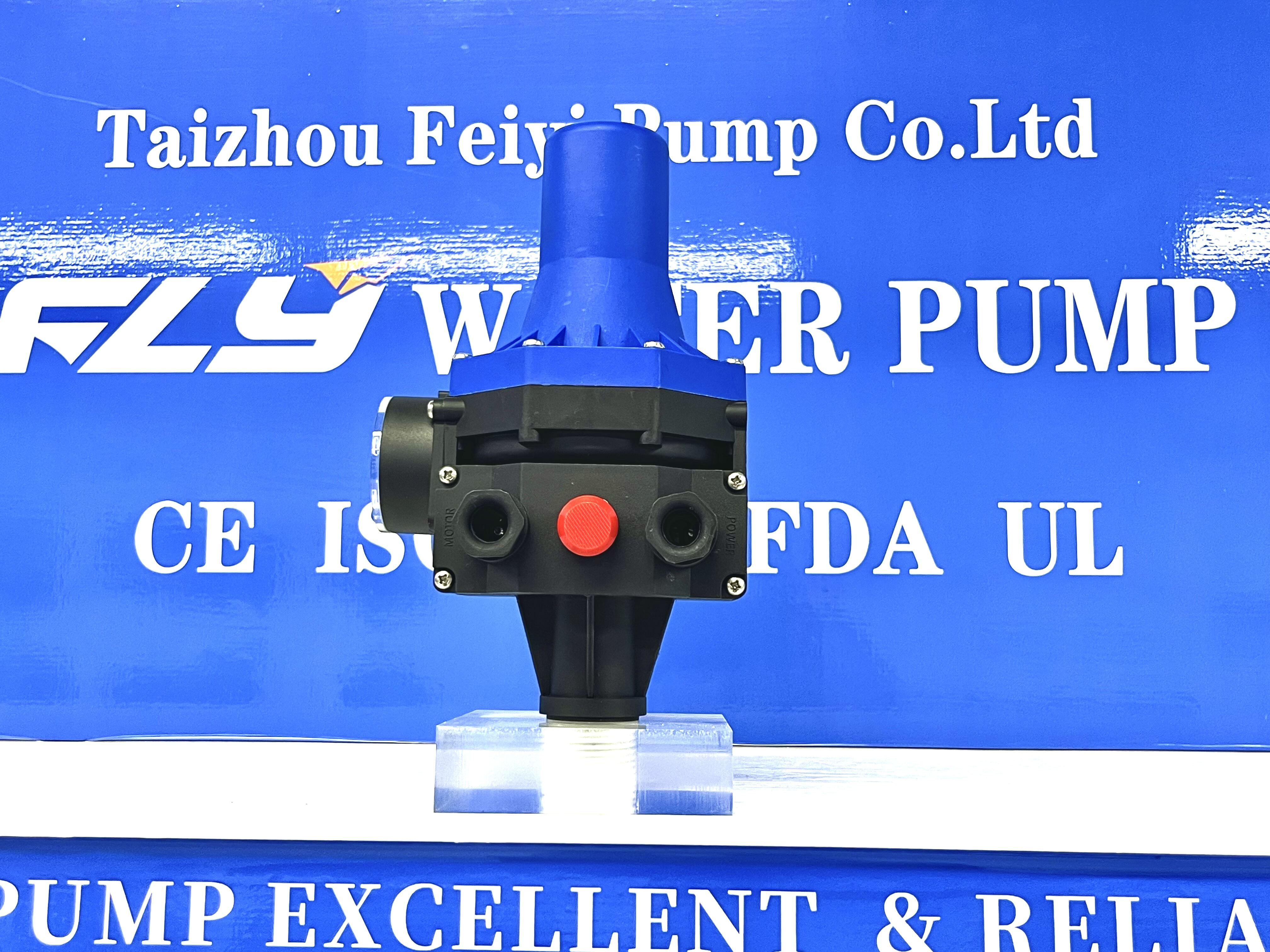
control pressure switch
A control pressure switch represents a sophisticated monitoring device engineered to detect and respond to specific pressure levels within various mechanical and industrial systems. This essential component serves as an automated guardian, continuously measuring pressure changes and triggering predetermined responses when pressure thresholds are reached. The control pressure switch operates through precise mechanical or electronic sensing mechanisms that translate pressure variations into actionable electrical signals, enabling seamless integration with broader control systems. Modern control pressure switch units incorporate advanced materials and cutting-edge technology to deliver exceptional reliability in demanding environments. These devices feature robust construction designed to withstand extreme temperatures, corrosive substances, and mechanical vibrations commonly encountered in industrial applications. The control pressure switch typically consists of a pressure-sensing element, adjustment mechanism, electrical contacts, and protective housing. The sensing element responds to pressure changes by activating internal switching mechanisms that open or close electrical circuits based on programmed parameters. Contemporary control pressure switch models offer adjustable setpoints, allowing operators to customize activation thresholds according to specific operational requirements. These versatile devices find extensive applications across numerous industries including manufacturing, automotive, aerospace, marine, HVAC systems, hydraulic equipment, pneumatic machinery, and process control installations. The control pressure switch plays a crucial role in safety systems by preventing equipment damage through overpressure protection and ensuring optimal performance through precise pressure regulation. Advanced models feature digital displays, remote monitoring capabilities, and programmable logic functions that enhance operational efficiency and diagnostic capabilities. The integration of smart technology enables real-time data collection and analysis, supporting predictive maintenance strategies and improving overall system reliability.

 EN
EN