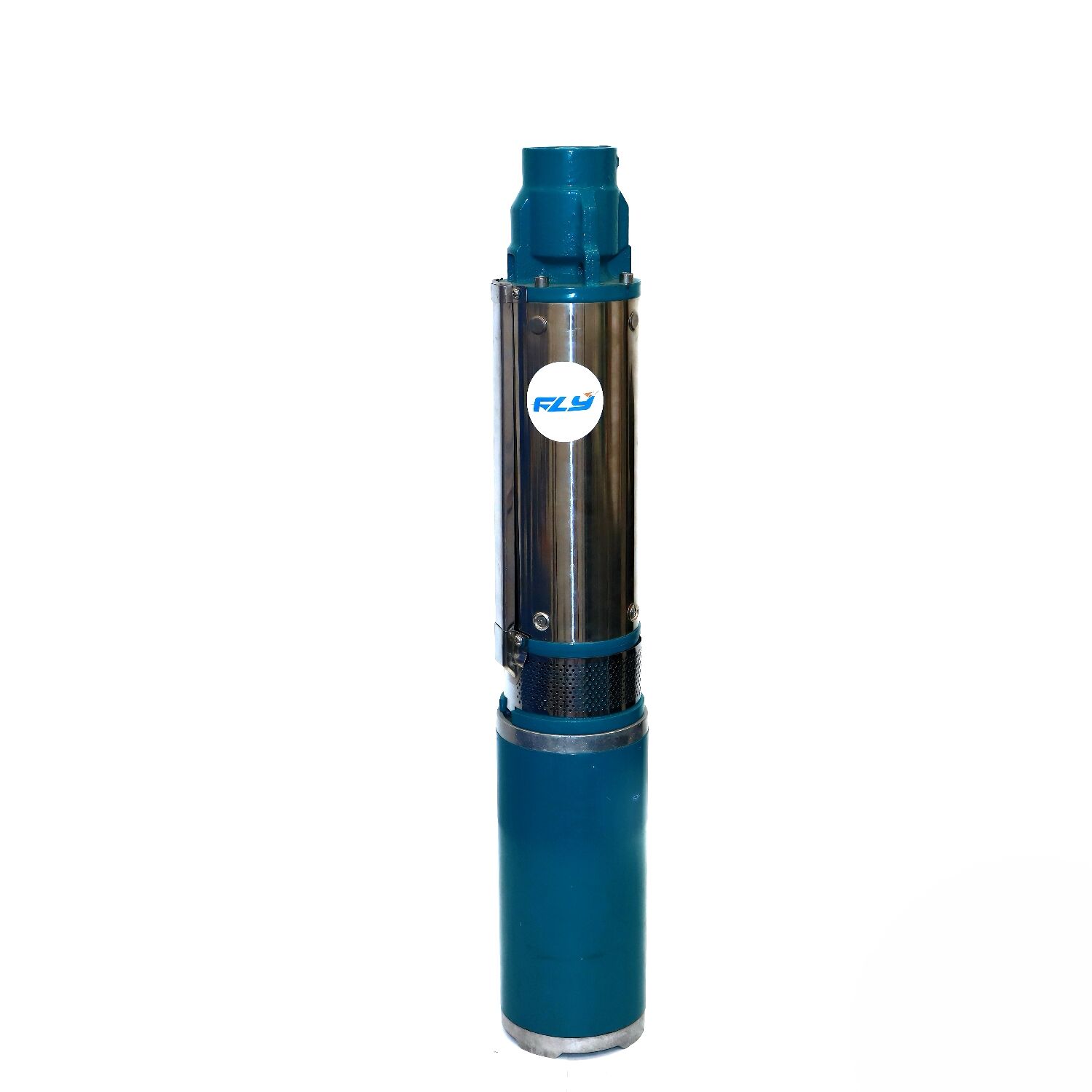
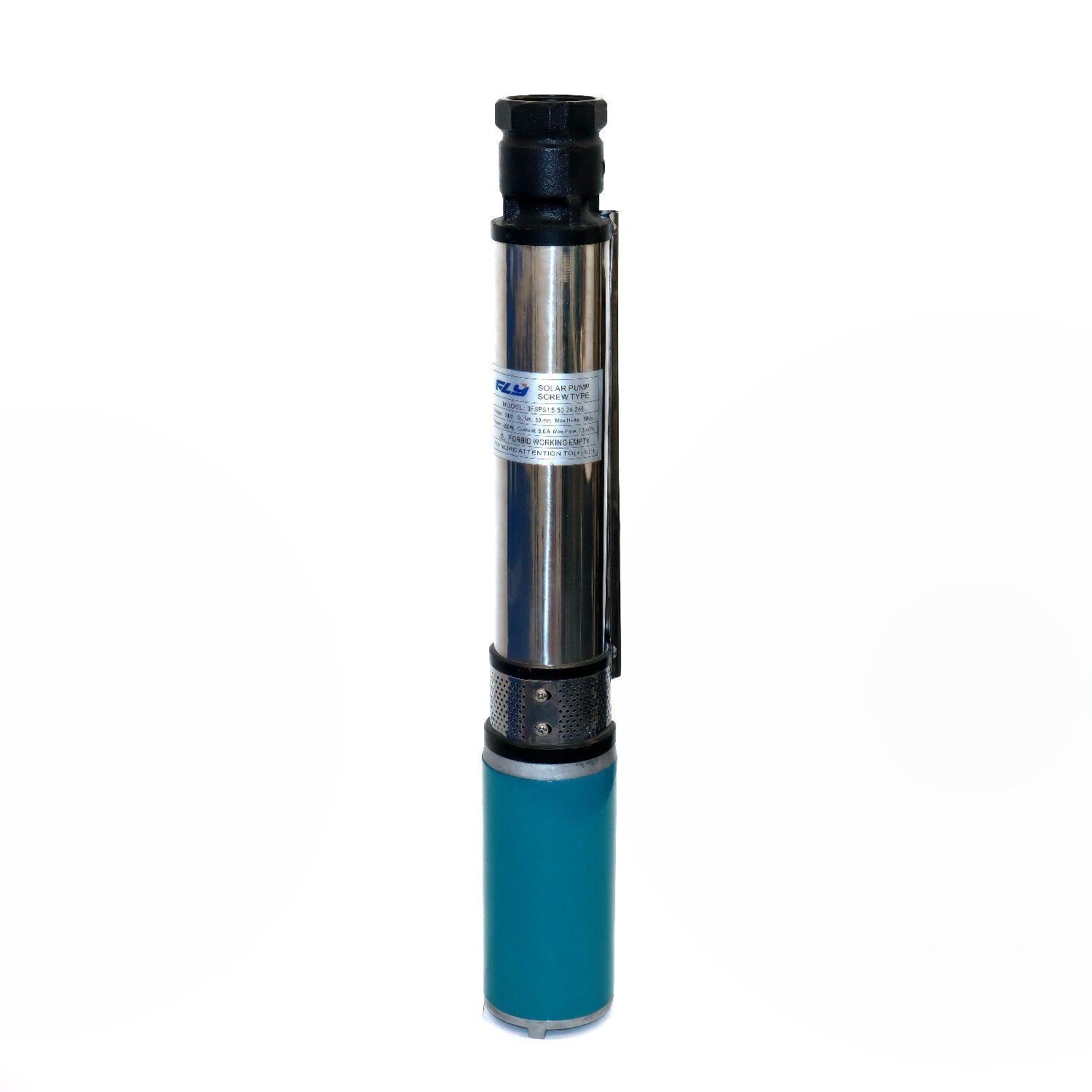
Superior Battery Integration and Mobile Operation Capabilities
The exceptional battery integration capabilities of dc hydraulic pumps unlock unprecedented mobility and operational independence that traditional hydraulic systems simply cannot match. This remarkable feature enables seamless operation from standard vehicle electrical systems, dedicated battery banks, or renewable energy sources without requiring complex power conversion equipment or external generators. The low voltage operation typically ranges from twelve to forty-eight volts, making these pumps compatible with standard automotive electrical systems and allowing for easy integration into mobile equipment such as service trucks, emergency vehicles, and portable work platforms. Battery-powered operation provides complete independence from fixed power infrastructure, enabling users to operate hydraulic equipment in remote locations, during power outages, or in areas where electrical connections are impractical or unsafe. The intelligent power management systems incorporated into quality dc hydraulic pumps optimize battery usage through variable speed operation, automatically reducing power consumption during low-demand periods and extending operational time between charges. Users benefit from silent operation capabilities that are particularly valuable in noise-sensitive environments, early morning operations in residential areas, and applications where stealth operation is required. The rapid deployment capability means equipment can be operational within seconds of arrival at a job site, eliminating setup time and increasing productivity. Solar panel compatibility opens opportunities for sustainable operation in environmentally sensitive areas while reducing operational costs through renewable energy utilization. The compact power requirements enable the use of smaller, lighter battery systems that reduce overall equipment weight and improve mobility. Emergency response applications particularly benefit from this independence, as dc hydraulic pumps can operate reliably during natural disasters or infrastructure failures when traditional power sources are unavailable. Fleet operators appreciate the reduced fuel consumption and emissions associated with battery-powered hydraulic systems, supporting corporate sustainability goals while reducing operating costs and regulatory compliance requirements.

 EN
EN