Unmatched Versatility and Installation Flexibility
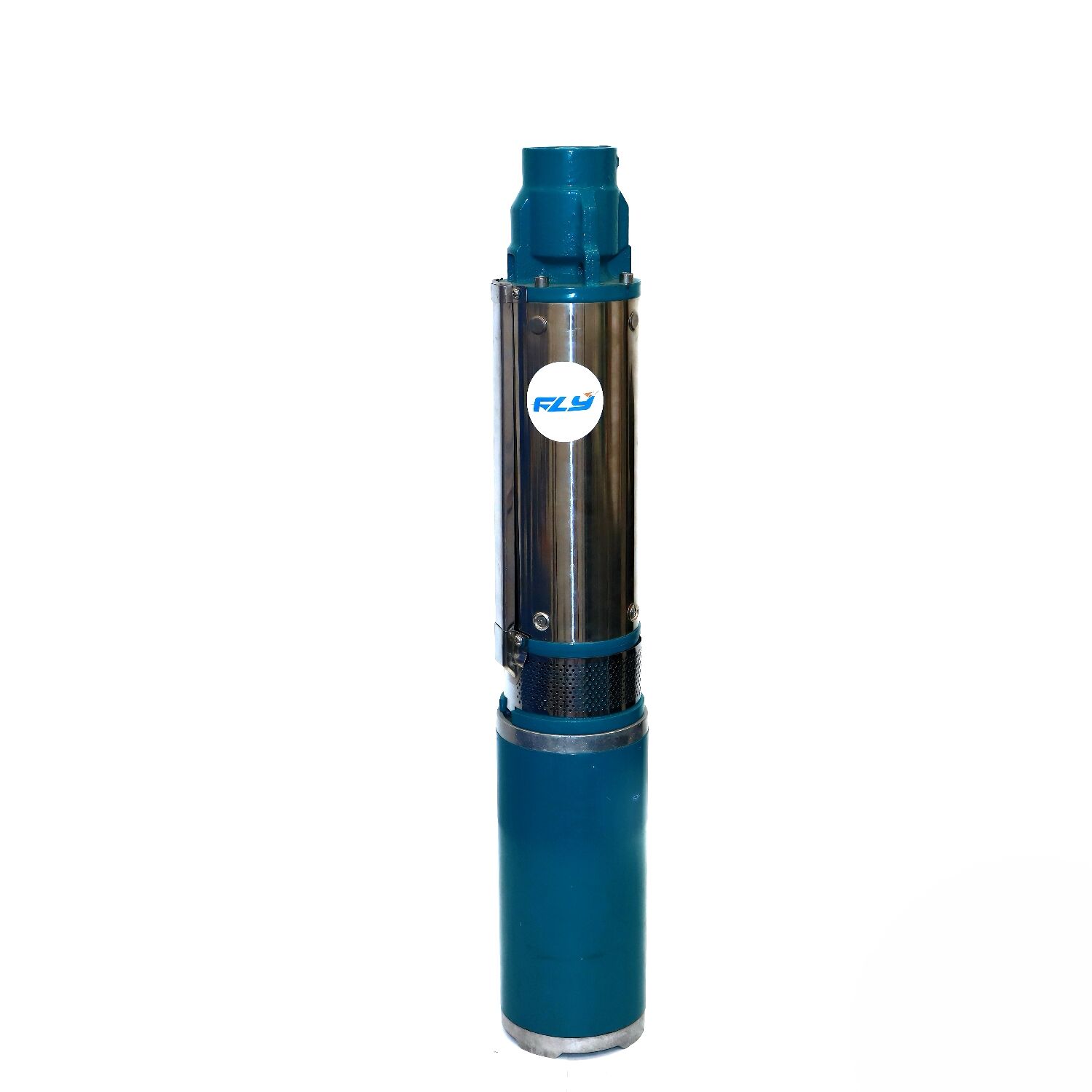
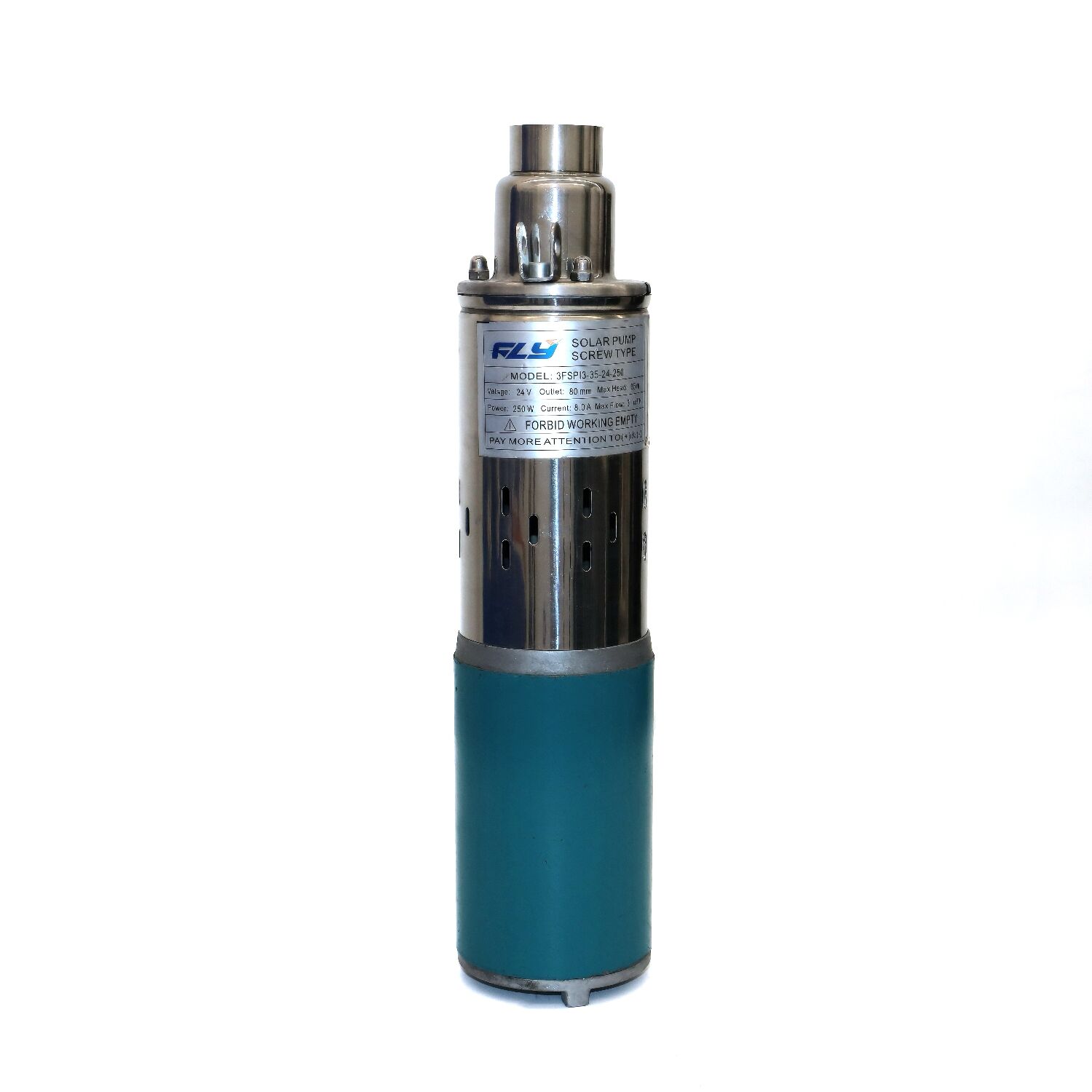
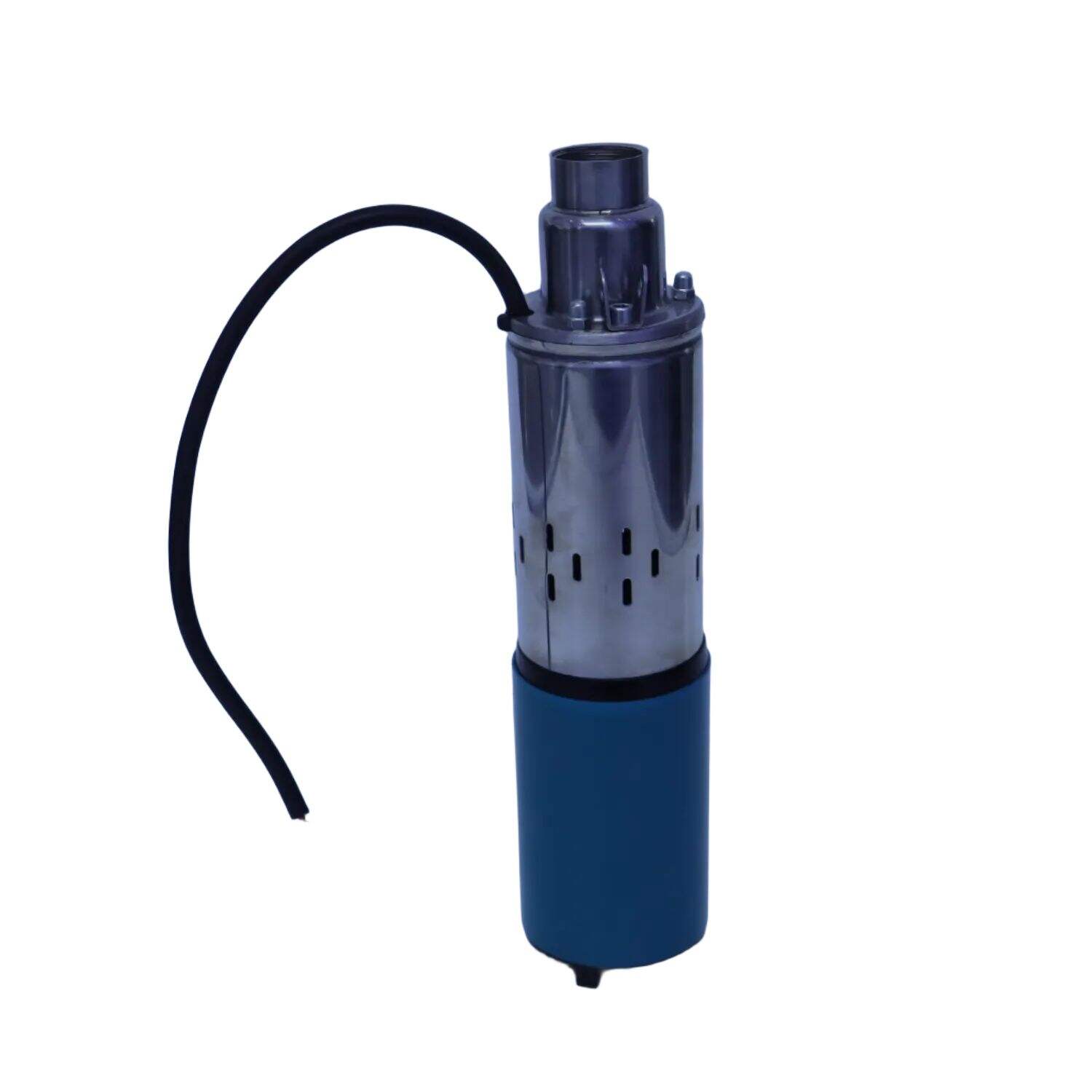
The remarkable versatility of a high pressure dc water pump makes it an ideal solution for applications ranging from remote agricultural operations to emergency response scenarios. This adaptability stems from the ability to operate from multiple power sources, including solar panels, wind generators, batteries, vehicle electrical systems, and dedicated DC power supplies. The flexible power requirements eliminate the constraints associated with traditional AC pumps that require grid connections or complex inverter systems. Installation flexibility represents a major advantage, as these pumps can be deployed rapidly in temporary configurations or permanently installed in fixed locations without extensive electrical infrastructure modifications. The compact design of most high pressure dc water pump models enables installation in confined spaces where larger AC units would not fit, expanding the range of possible applications and installation sites. Portable models provide exceptional mobility for applications such as irrigation of remote fields, emergency water supply, firefighting operations, and construction site water management. The ability to operate independently from electrical grids makes these pumps invaluable in developing regions or disaster-affected areas where power infrastructure may be unreliable or nonexistent. Marine applications particularly benefit from the corrosion-resistant construction and ability to operate from boat electrical systems without requiring shore power connections. Agricultural users appreciate the flexibility to relocate pumping systems as crop patterns change or seasonal water requirements shift across different field locations. The high pressure dc water pump technology supports both automated and manual operation modes, allowing users to choose the level of control that best matches their specific application requirements. Integration capabilities with existing water management systems provide seamless connectivity with sensors, controllers, and monitoring equipment. The modular design of many systems allows for easy expansion or modification as water demands change over time, protecting the initial investment while accommodating future growth requirements.

 EN
EN