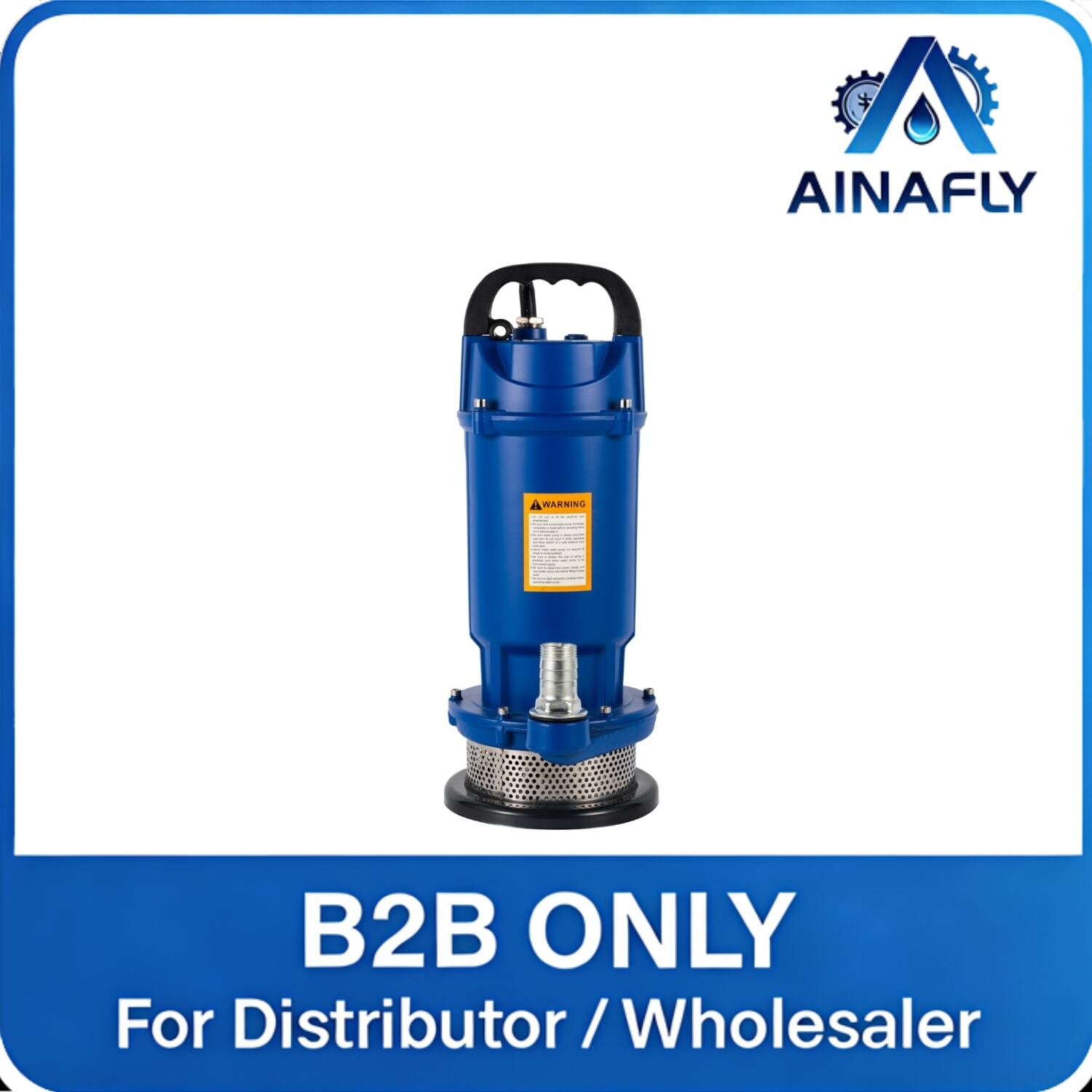
Unmatched Durability Through Premium Stainless Steel Construction
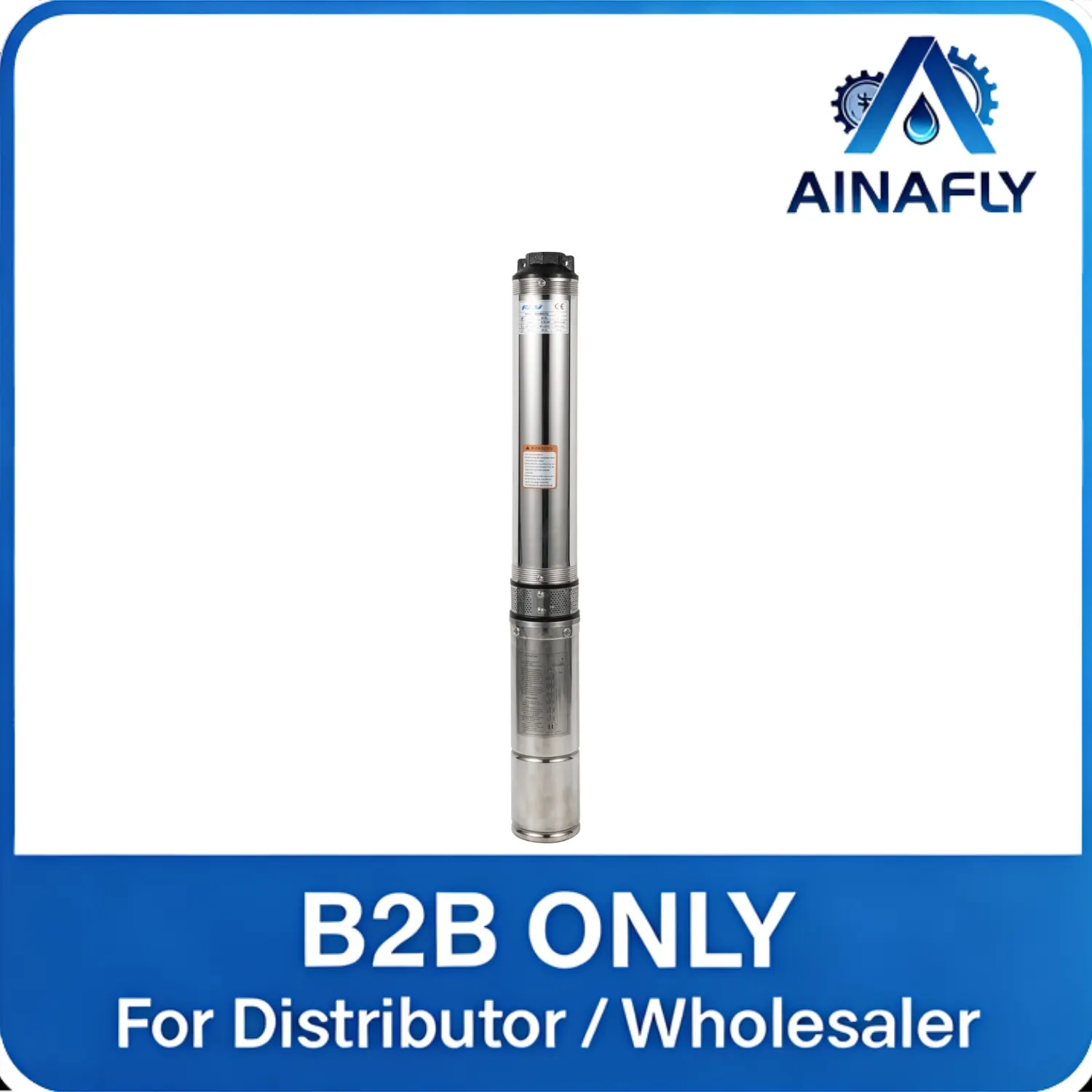
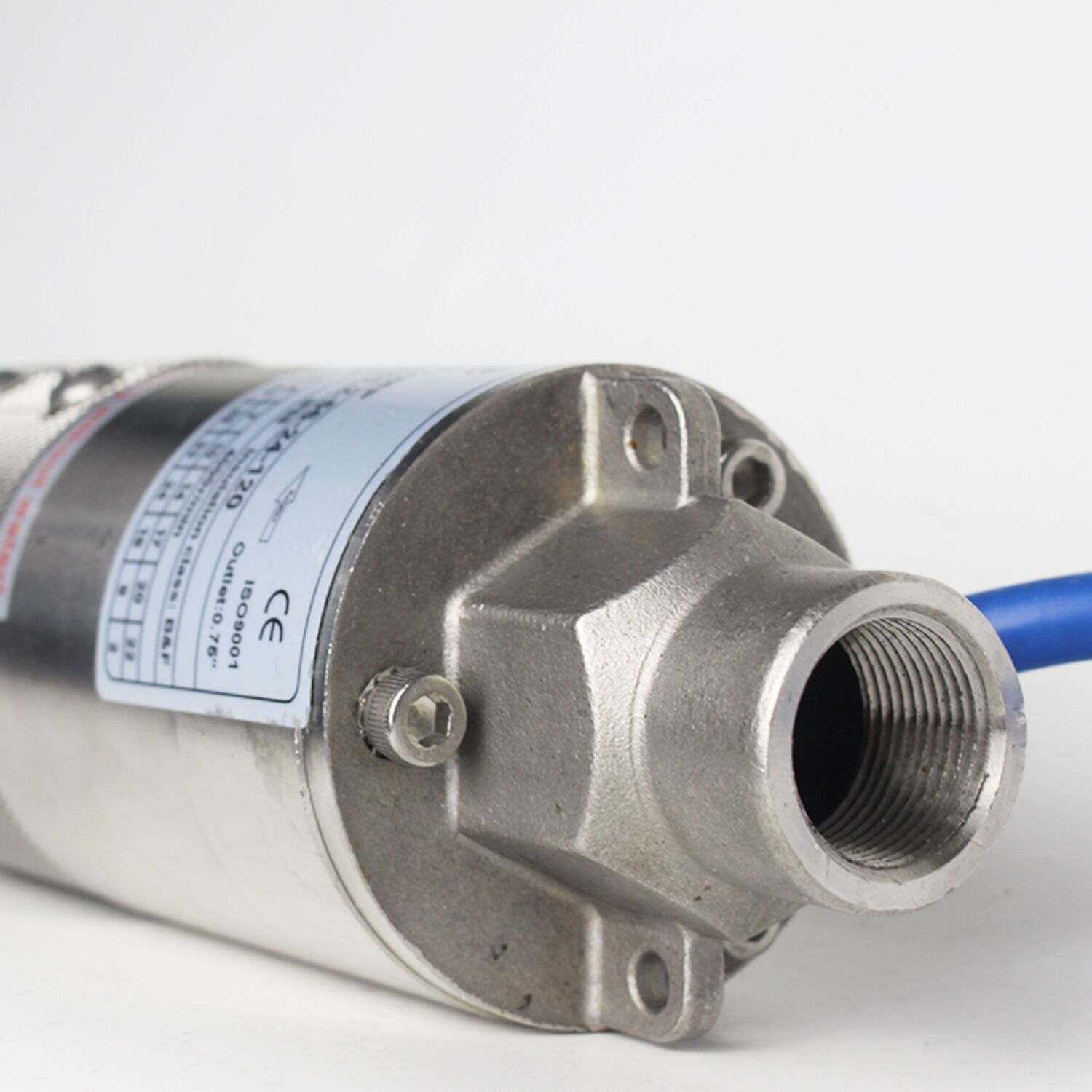
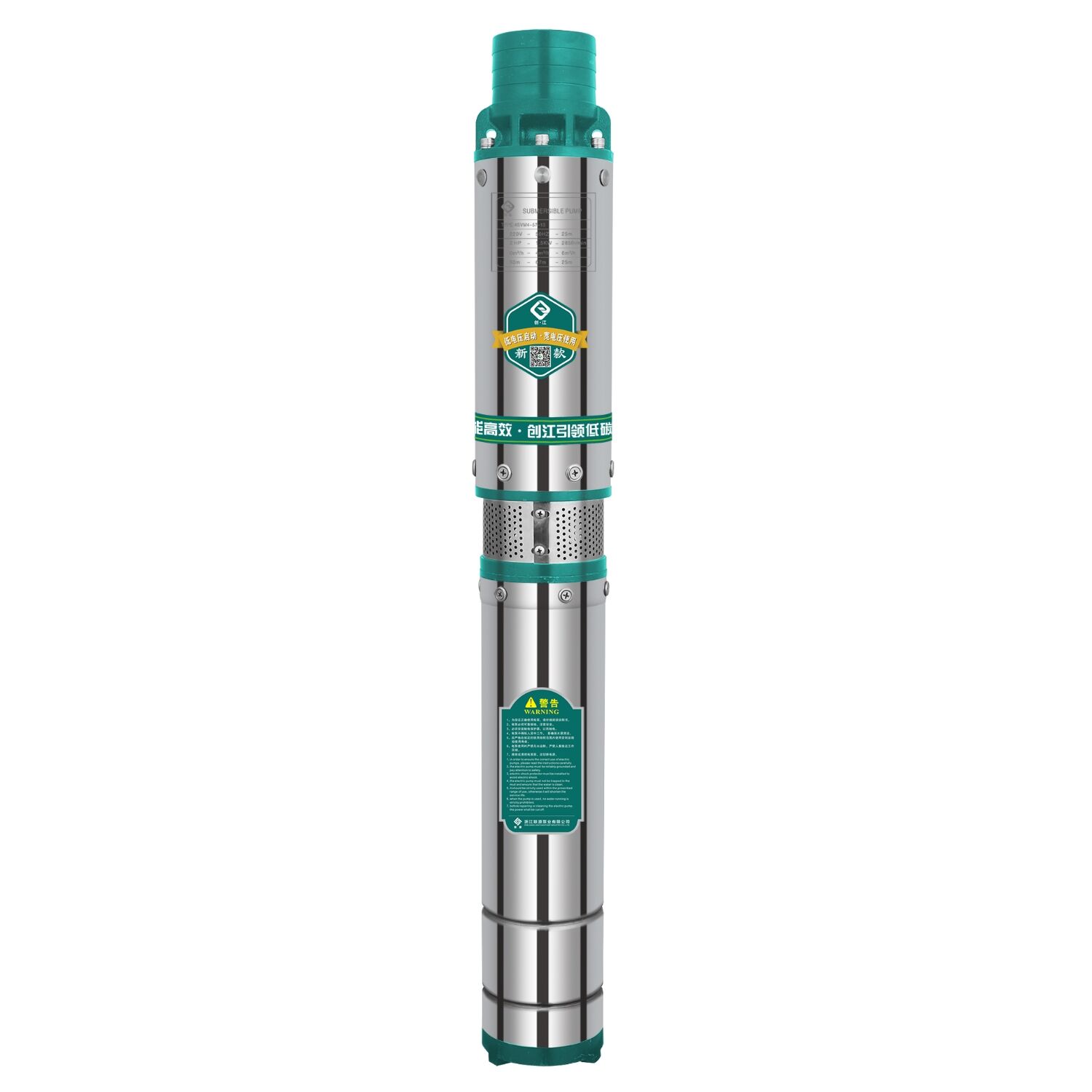
The stainless steel deep well pump achieves exceptional longevity through its premium grade stainless steel construction, specifically engineered to withstand the harsh conditions encountered in deep well environments. This superior material composition provides comprehensive protection against corrosion, scale buildup, and chemical degradation that commonly affects pumps manufactured with standard materials. The stainless steel components resist acidic water conditions, high mineral content, and aggressive chemicals that naturally occur in groundwater sources, maintaining structural integrity and performance efficiency throughout extended operational periods. Manufacturing processes employ high-grade stainless steel alloys, typically 304 or 316 grades, which offer superior resistance to pitting, crevice corrosion, and stress corrosion cracking that can compromise inferior pump materials. The seamless construction techniques eliminate potential weak points where corrosion might initiate, ensuring uniform protection across all wetted surfaces. This durability translates into substantial cost savings for property owners, as the extended service life reduces replacement frequency and associated installation expenses. Professional installation teams appreciate the consistent performance characteristics of stainless steel deep well pump units, as they maintain dimensional stability and component alignment even after years of continuous operation. The material properties resist thermal expansion and contraction effects that can cause seal failures and alignment issues in pumps constructed from dissimilar metals. Quality control measures during manufacturing ensure consistent material properties throughout each pump assembly, eliminating variations that could create performance inconsistencies or premature failure points. The investment in stainless steel construction pays dividends through reduced maintenance requirements, as these pumps require fewer component replacements and experience fewer unexpected failures compared to pumps made with alternative materials. Environmental benefits emerge from the extended service life, as fewer pump replacements reduce manufacturing resource consumption and waste generation associated with frequent equipment replacement cycles.

 EN
EN