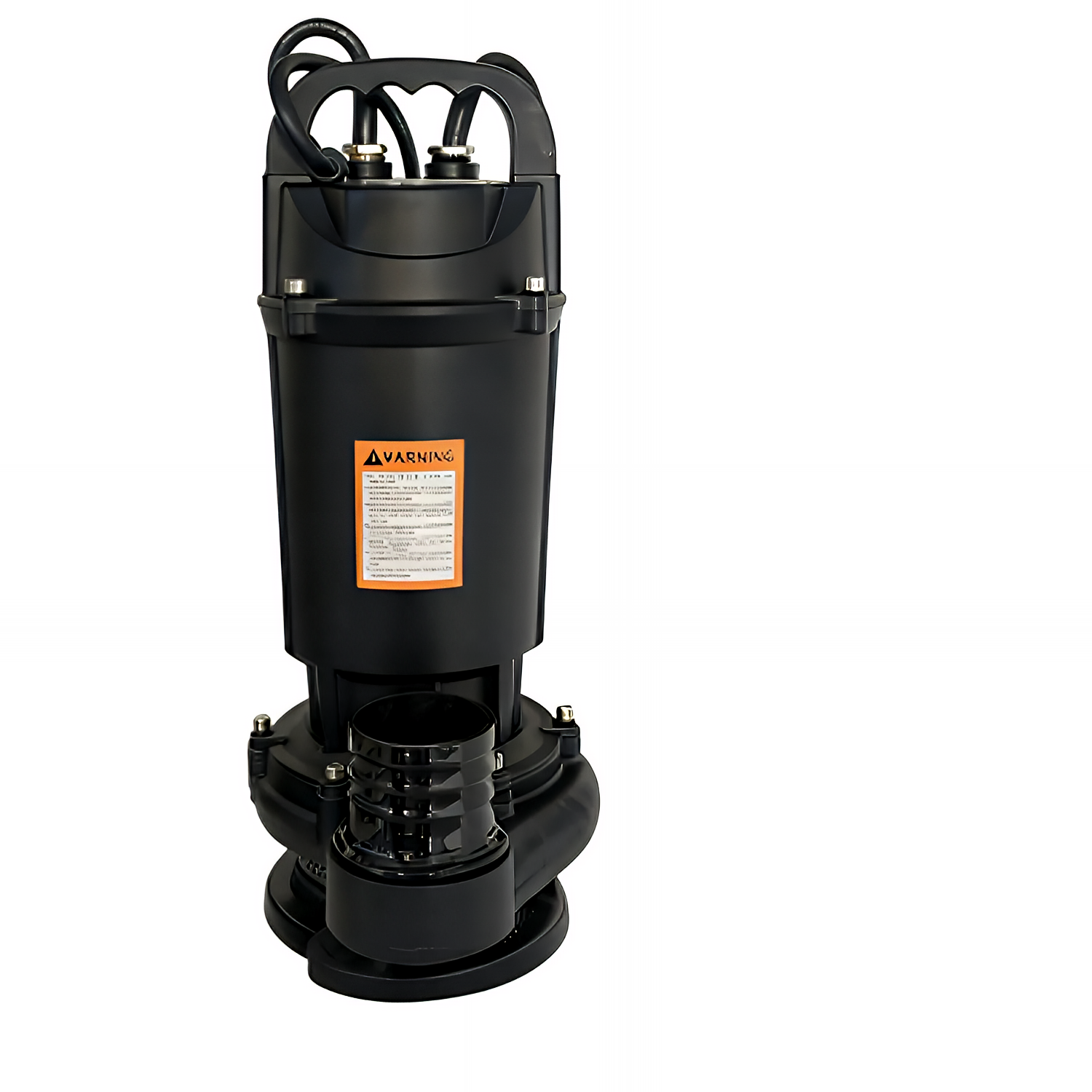
Versatile Applications and Easy Installation Process
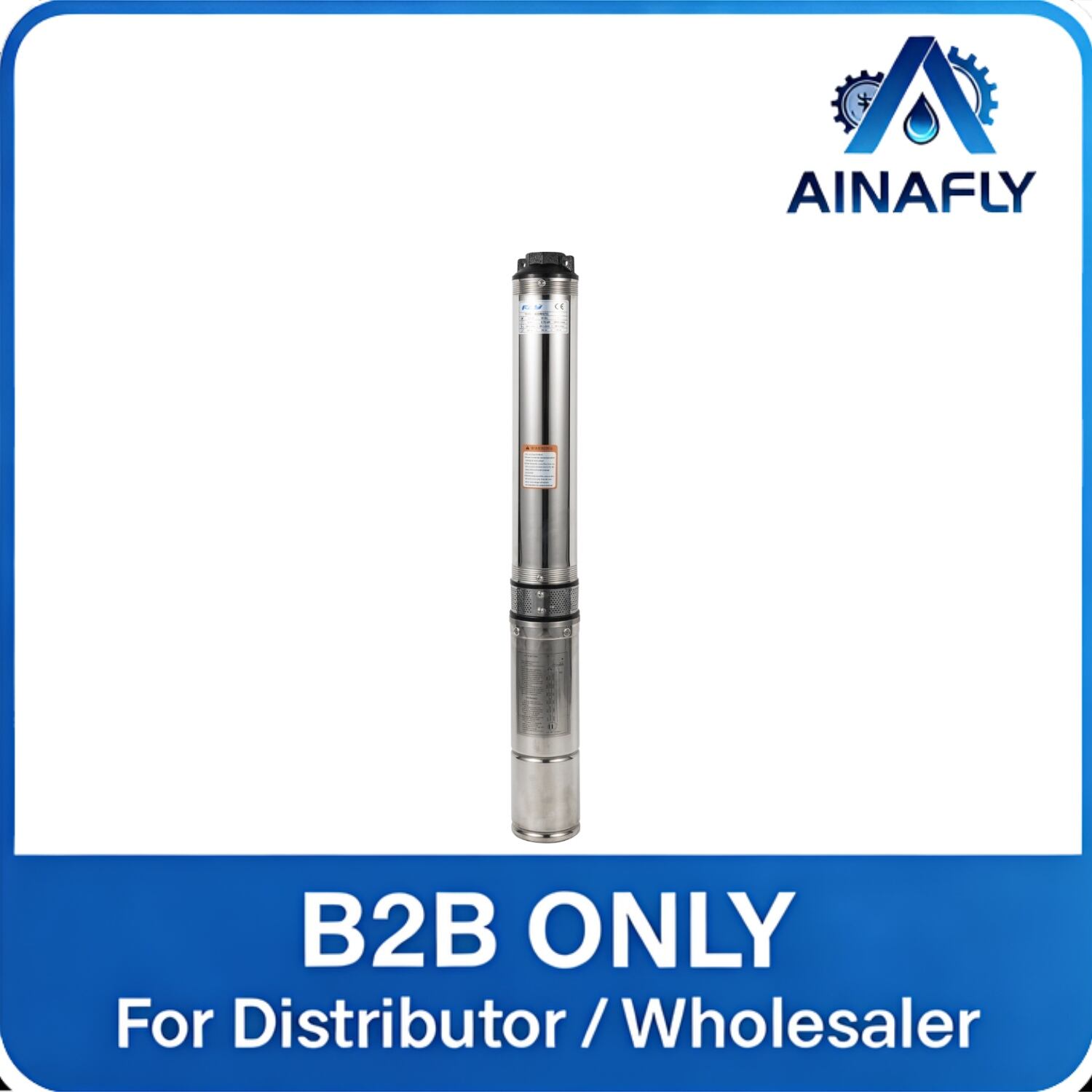
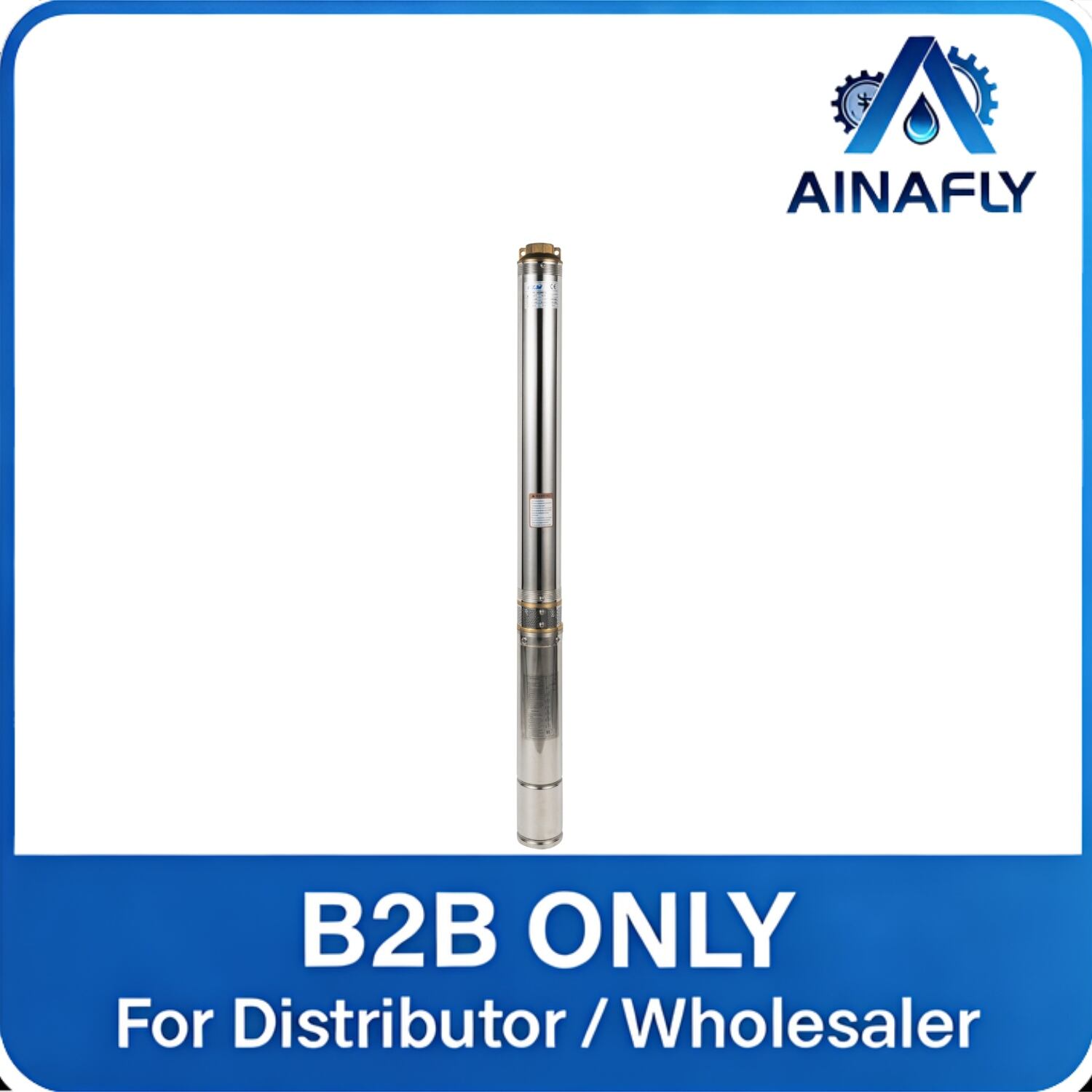
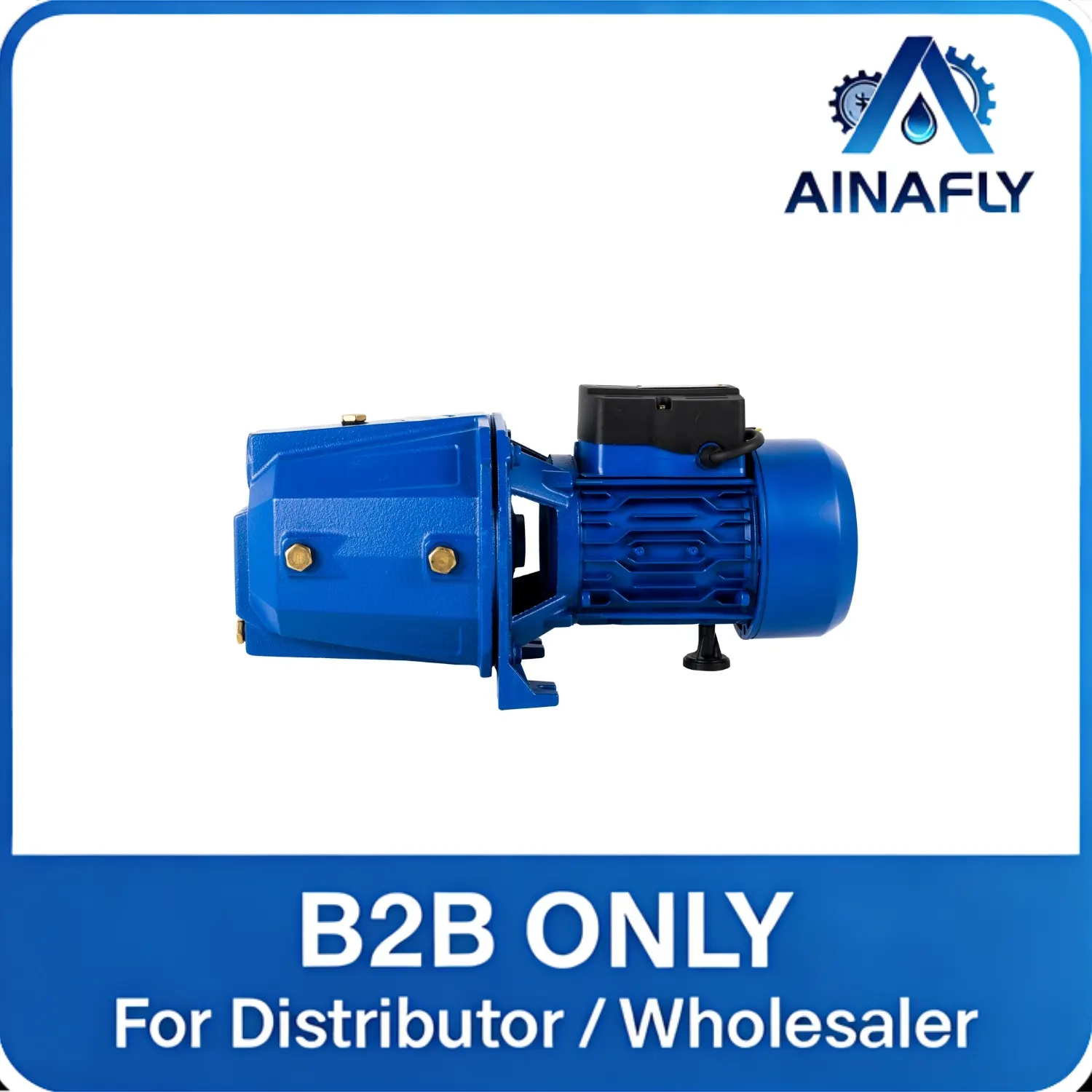
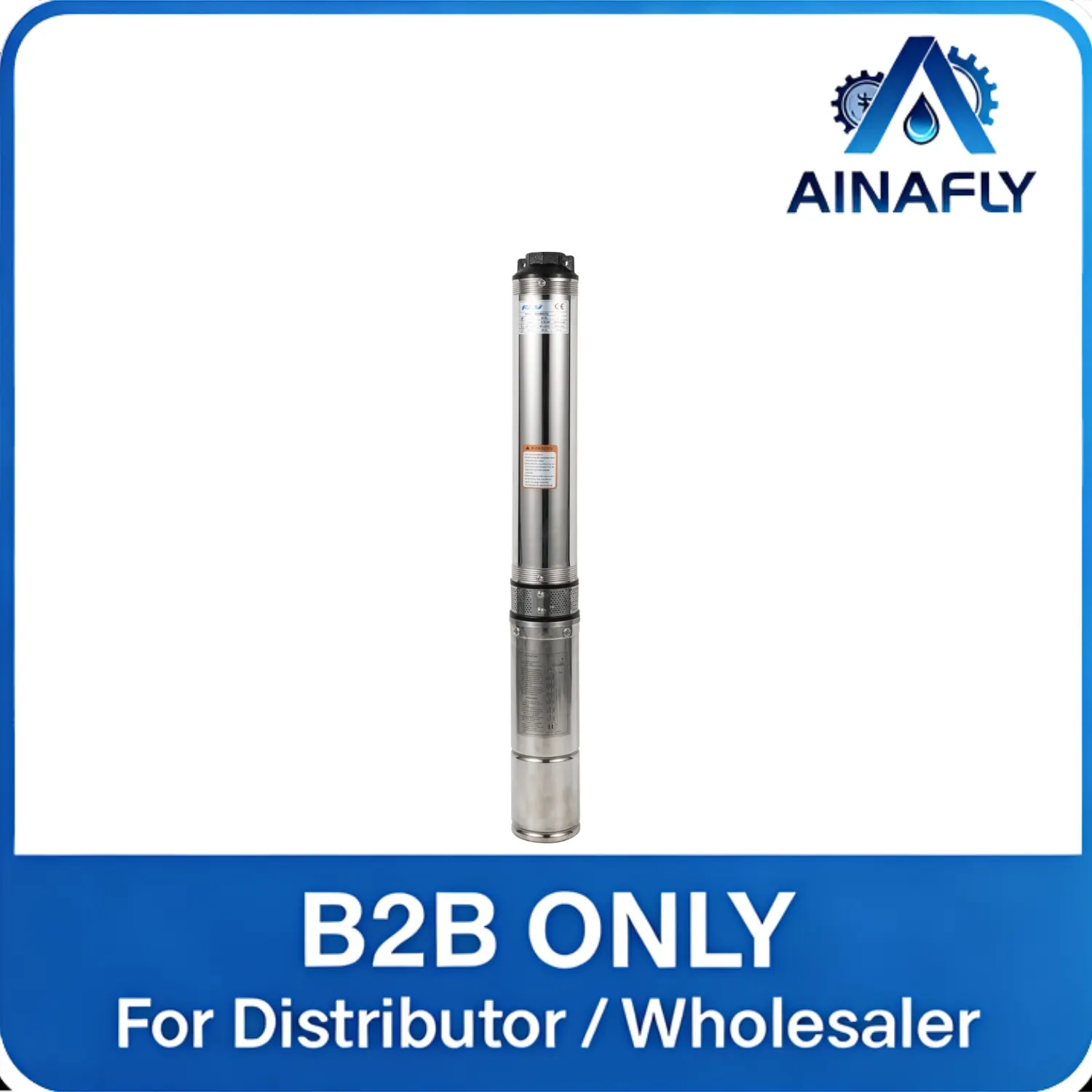
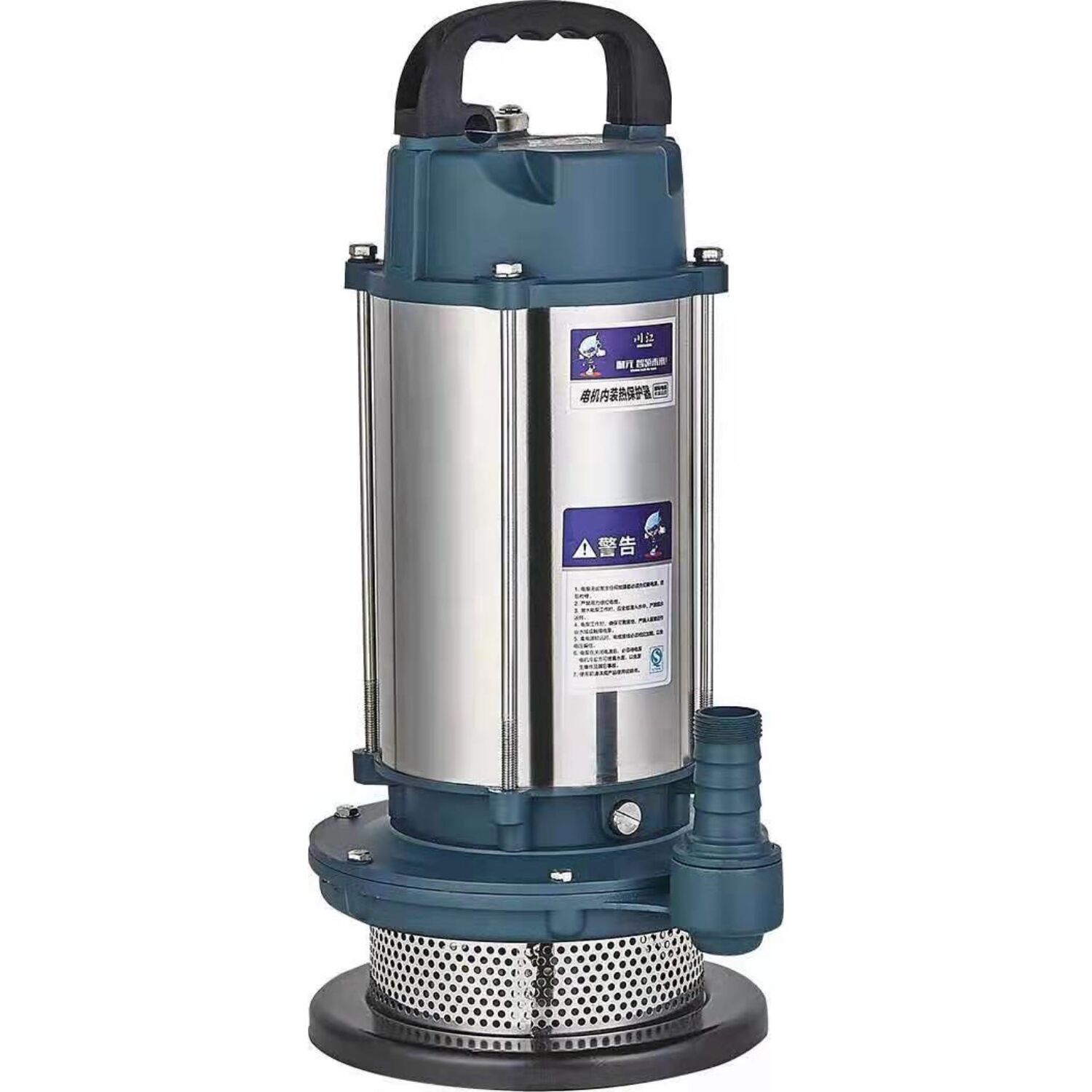
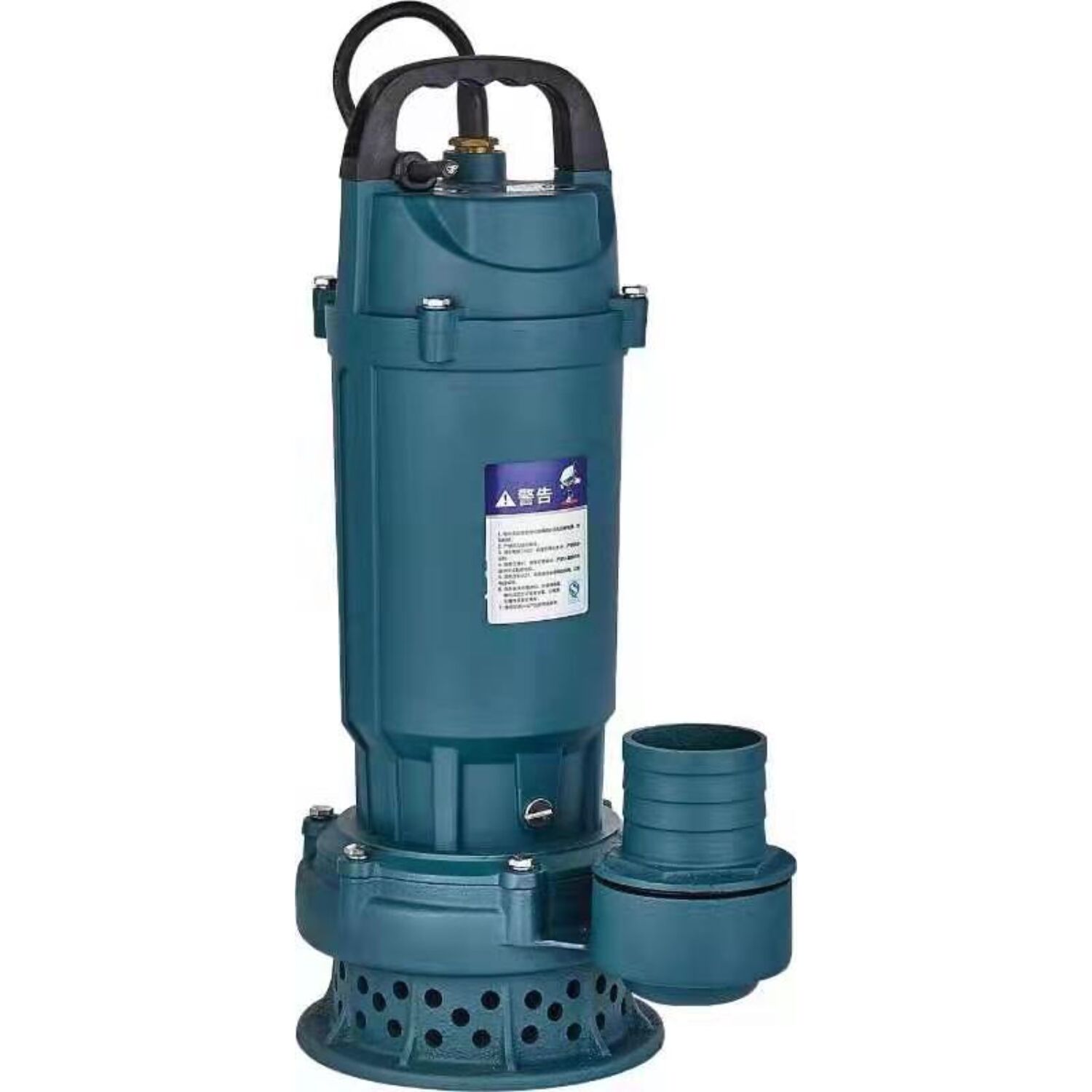
The submersible filtration pump excels in versatility, adapting seamlessly to numerous applications across diverse industries while offering remarkably simple installation procedures that minimize deployment time and complexity. In construction environments, these pumps effectively manage dewatering operations at building sites, foundation excavations, and tunnel projects, where they simultaneously remove water and filter out sediment and debris that could otherwise contaminate surrounding areas or violate environmental discharge regulations. Mining operations benefit tremendously from the submersible filtration pump's ability to handle heavily contaminated water sources, processing mine drainage, settling pond water, and process water while removing suspended solids and improving water quality for reuse or safe discharge. Municipal applications include stormwater management systems where these pumps help control urban runoff, processing contaminated water from streets, parking lots, and industrial areas before discharge into natural water bodies, thereby protecting environmental resources and ensuring regulatory compliance. The aquaculture industry relies on submersible filtration pumps for maintaining optimal water quality in fish farms, hatcheries, and aquatic research facilities, where precise control of suspended particles and water clarity directly impacts aquatic organism health and productivity. Emergency response scenarios showcase the pump's rapid deployment capabilities, as disaster relief teams can quickly install these units to address flooding situations, contaminated water sources, and temporary water supply needs without requiring extensive infrastructure or preparation time. The installation process requires minimal equipment and expertise, as the submersible design eliminates the need for complex suction piping, pump houses, or elaborate mounting systems typically associated with surface-mounted equipment. Users simply lower the submersible filtration pump into the water source, connect the discharge line and electrical supply, and activate the system for immediate operation. This simplicity proves invaluable in remote locations where access to specialized installation equipment or skilled technicians may be limited. The flexible discharge arrangements accommodate various site conditions, allowing for horizontal or vertical discharge configurations and enabling installation in confined spaces where conventional systems cannot operate effectively. Portable models feature lightweight construction and integrated lifting points that facilitate manual handling and repositioning as site conditions change, providing exceptional operational flexibility for temporary applications or multi-site operations.

 EN
EN