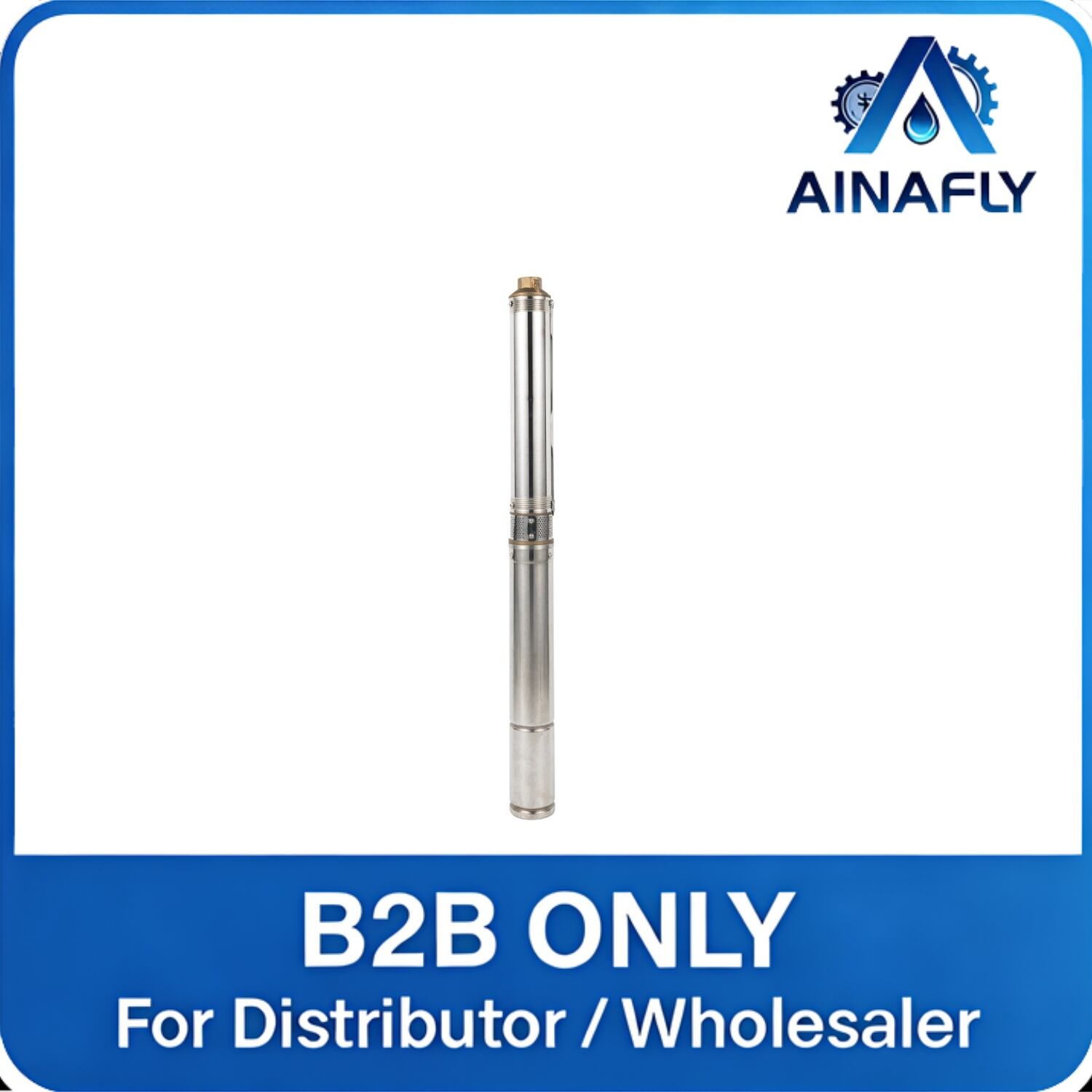
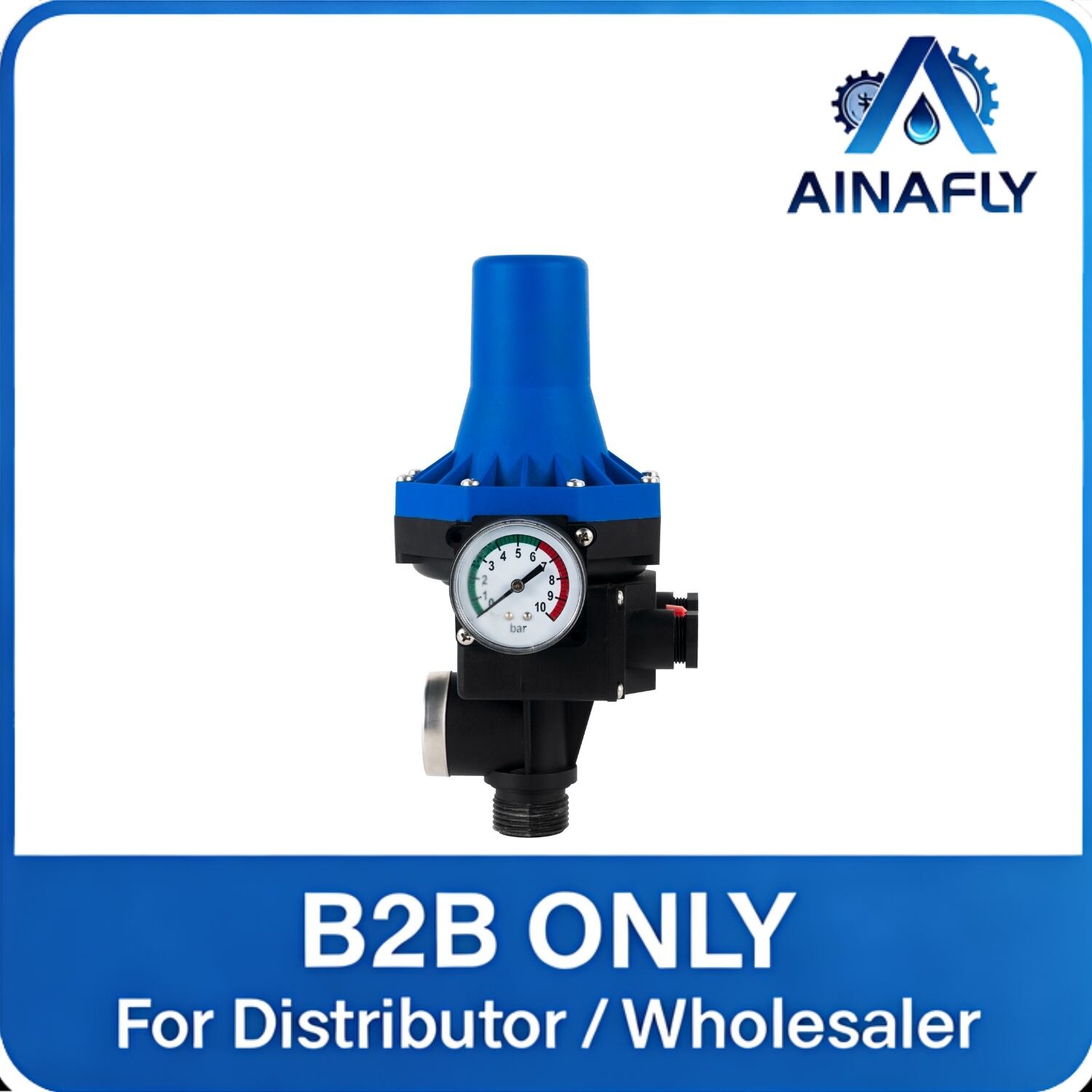
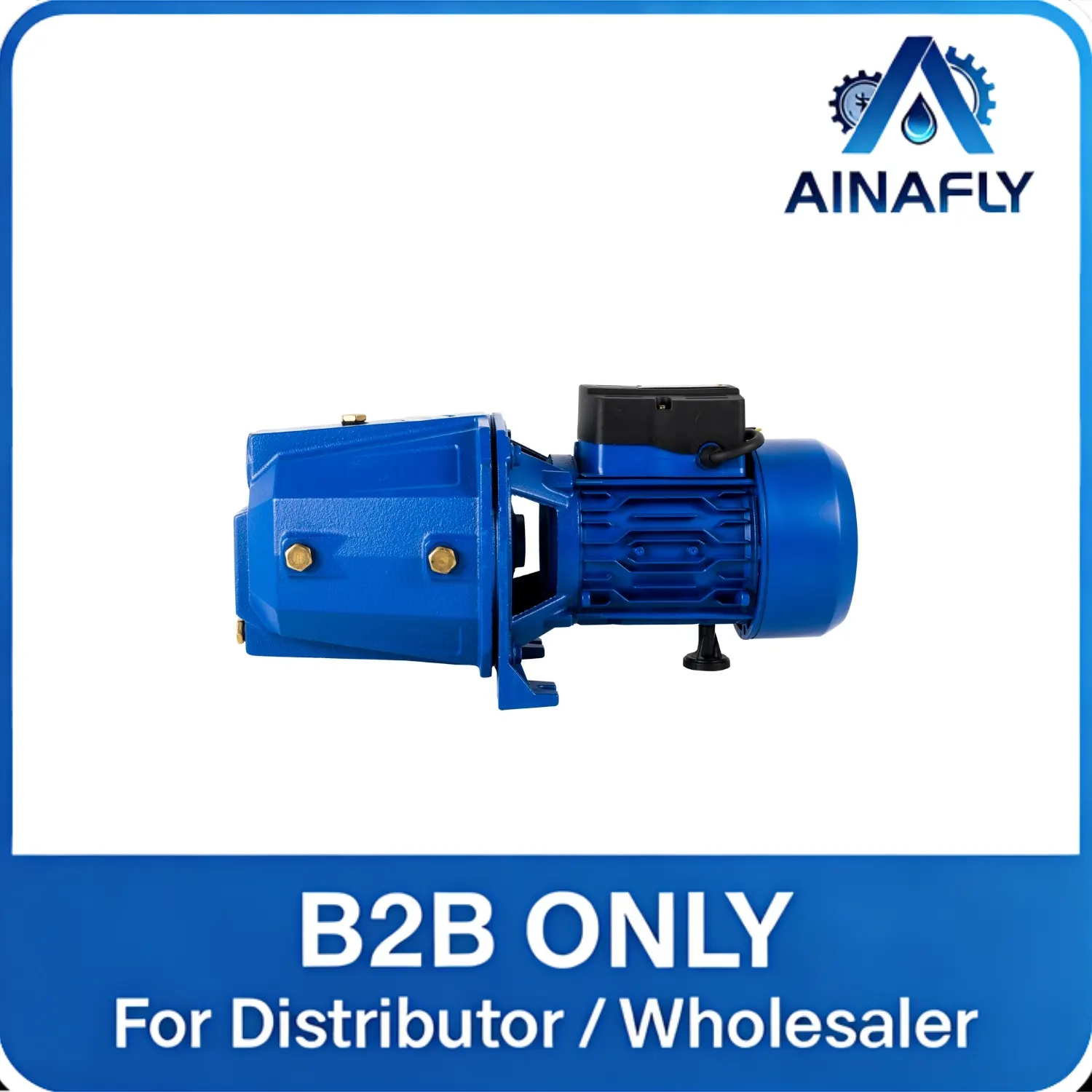
water pump for agriculture use
A water pump for agriculture use represents an essential piece of equipment that revolutionizes farming operations by providing reliable and efficient water delivery systems for various agricultural applications. These specialized pumps are engineered to handle the demanding requirements of modern farming, offering robust performance in challenging environmental conditions. The primary function of a water pump for agriculture use involves moving water from sources such as wells, rivers, ponds, or storage tanks to irrigation systems, livestock watering points, and crop spraying equipment. Advanced agricultural water pumps incorporate cutting-edge technology including variable speed drives, smart monitoring systems, and energy-efficient motors that optimize performance while reducing operational costs. The technological features of contemporary water pump for agriculture use include corrosion-resistant materials, self-priming capabilities, and automated pressure control systems that ensure consistent water flow regardless of demand fluctuations. These pumps typically feature durable construction with stainless steel or cast iron components that withstand harsh agricultural environments, including exposure to fertilizers, pesticides, and extreme weather conditions. Modern water pump for agriculture use applications extend beyond basic irrigation to include greenhouse climate control, hydroponic systems, aquaculture operations, and precision farming techniques. The versatility of agricultural water pumps makes them suitable for small-scale family farms, commercial agricultural operations, and large industrial farming complexes. Many water pump for agriculture use models incorporate smart technology that allows remote monitoring and control through mobile applications, enabling farmers to manage their water systems efficiently from anywhere. These pumps often feature multiple outlet configurations, allowing simultaneous water delivery to different areas of the farm, which significantly improves operational efficiency and reduces labor requirements for modern agricultural enterprises.

 EN
EN